Burnham Retreats from Russia Brexit Interference Claims Within 24 Hours Amid Political Backlash
Developed over time first seen 2 hours ago
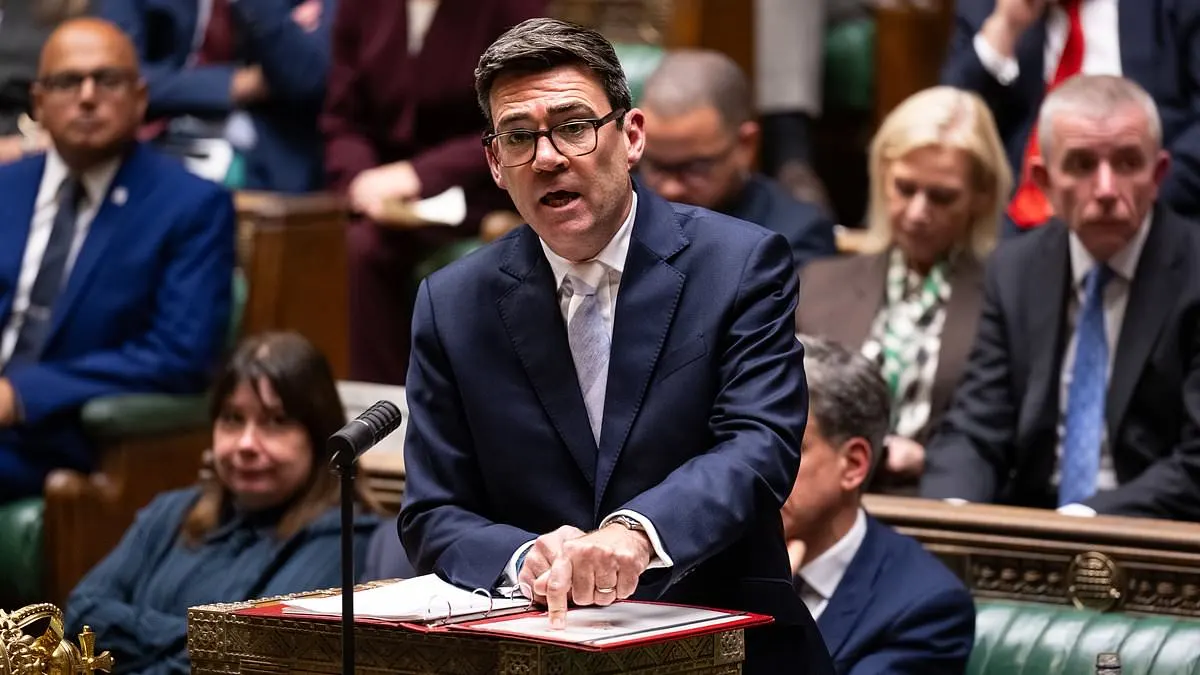
Prime Minister Andy Burnham triggered a political storm after asserting that Russia had interfered in the 2016 Brexit referendum, claims he attributed to information received following his appointment to office. The statement appeared to suggest foreign involvement had affected the referendum's outcome, prompting swift condemnation from prominent Conservative figures including Boris Johnson, Nigel Farage, and current Tory leader Kemi Badenoch.
Within a day, Burnham abandoned the assertion, admitting to Parliament that he possessed no evidence supporting the claim. In clarifying his position, he insisted he had not alleged that the referendum itself was influenced by Russian activity, but was instead referencing interference in other contexts. The rapid reversal constituted a significant political misstep, compounded by the high-profile criticism from opposition figures.
- PM Burnham claimed Russian interference in the 2016 Brexit referendum, then retracted the statement within 24 hours
- He conceded having no evidence for the assertion, describing it as a mischaracterisation of his original remarks
- The U-turn drew fierce criticism from Boris Johnson, Nigel Farage, and Conservative leader Kemi Badenoch
New here? Start with this
Britain's 2016 referendum on European Union membership resulted in a vote to leave, becoming one of the country's most significant recent political events. Questions about what influenced the outcome have persisted since, with continuing debate about the fairness and legitimacy of the vote.
Prime Minister Andy Burnham recently claimed that information received since taking office indicates Russian interference may have occurred related to the referendum. The assertion triggered sharp criticism from Conservative figures including Boris Johnson and Kemi Badenoch, who disputed any suggestion of foreign involvement. Allegations of external interference in major democratic votes are matters of serious national concern.
Following the political backlash, Burnham clarified that he lacked evidence for the claim and had not meant to suggest the referendum vote itself was compromised. The episode highlighted questions about the basis for making serious allegations in public discourse and the ongoing sensitivity surrounding the 2016 referendum result.
Both sides, in good faith
The strongest fair case each way — we don't pick a winner.
The case for
Foreign interference in democratic systems is a documented threat that responsible governments must address. The Prime Minister's intention to raise election security concerns, however imprecisely communicated initially, reflects legitimate protective instincts. His subsequent clarification that he was discussing broader interference campaigns rather than claiming the referendum outcome itself was affected represents a reasonable position. The opposition's swift political attack appears designed to prevent further discussion of genuine security vulnerabilities rather than engage constructively with election safeguarding.
The case against
A Prime Minister asserting Russian interference in the Brexit referendum without factual foundation, then admitting within hours that no evidence exists, represents a serious breach of responsibility expected in high office. Such unsubstantiated allegations corrode public trust in both electoral integrity and government credibility. Opposition figures were properly holding the PM to basic evidentiary standards; leaders discussing foreign interference in major democratic processes cannot justify initial unsupported claims through subsequent reframing. Accountability for accuracy must take precedence over enthusiasm for addressing important security issues.
Full account
Prime Minister Andy Burnham has clarified his claim that Russia interfered in the 2016 Brexit referendum after it prompted a sharp political backlash. Speaking on The Rest Is Politics podcast, he said he had asked officials on entering Downing Street whether there had been Russian interference in the vote and had received a clear answer that there had. Within about a day, Downing Street was stressing that he accepted the referendum result as legitimate and did not believe Russian activity had changed its outcome.
The dispute turns on what is meant by interference. An attempt to influence voters, evidence that voters were reached, and proof that the final result changed are separate questions. Burnham's podcast remarks addressed the first, but critics argued that his words cast doubt on the result. In the Commons, Conservative leader Kemi Badenoch pressed him to produce evidence that Russia had swung the vote. Burnham rejected the suggestion that he had called the result illegitimate and acknowledged that he had no evidence the Kremlin had altered it.
Other opponents responded more bluntly. Nigel Farage accused the Prime Minister of lying, while Boris Johnson said the remarks had rebounded on him. Ministers and Downing Street sought to draw the same distinction Burnham made in Parliament: hostile actors may try to disrupt democratic processes without succeeding in changing an election or referendum result. Burnham pointed to Russian attempts to interfere in the 2019 general election and said he thought it inconceivable that those were the first such efforts.
Earlier official statements said the Government had seen no evidence of successful interference in the EU referendum. Parliament's Intelligence and Security Committee, however, criticised the limited examination of possible Russian activity around the 2016 campaign and called for a fuller assessment. Its report therefore does not settle every question about attempted interference. Equally, the absence of evidence that the result changed cannot establish that it did. The public material cited in this dispute does not show that Russian activity determined the referendum outcome.
The row came as Burnham argued for a closer relationship with the European Union. He said the current arrangements were inadequate and that it would be a dereliction of duty to ignore opportunities to improve them. His opponents linked those plans to his comments about Russia, portraying both as an effort to reopen the Brexit decision. Burnham maintained that the 2016 result stood while arguing that the UK should reconsider the terms of its relationship with Brussels.
The two supplied reports give the episode different emphasis. Source 1 presents Burnham's clarification as a retreat and foregrounds attacks from Badenoch, Farage and Johnson, alongside his plans for closer EU ties. Source 2 lays out a chronology and gives more space to earlier statements by ministers and security officials about the lack of evidence that foreign activity affected the result. Both report the change in emphasis between Burnham's podcast remarks and the Government's subsequent clarification; neither establishes that Russia changed the vote.
Where outlets differ
Source 1 uses strongly critical language and treats the clarification as a political reversal. Source 2 concentrates on the sequence of remarks and prior official positions.
Source 1 gives greater prominence to Burnham's proposed EU reset and opposition attacks. Source 2 gives greater prominence to the distinction between attempted interference and a proven effect on the referendum.
The supplied accounts characterise the 2020 intelligence committee report as finding no evidence of an effect. The committee also said possible interference had not been adequately assessed, which limits how conclusively that finding can be stated.
Coverage
- Daily Mail — Burnham is in retreat over Russia Brexit ‘lies’: Boris and Farage blast PM’s referendum claim
- Daily Mail — Revealed: How Burnham backtracked on his Brexit claim