Politics news and discussion on TalkFuse.
Burnham under attack for ‘unfunded’ tax cut pledge after vowing to tackle cost of living crisis
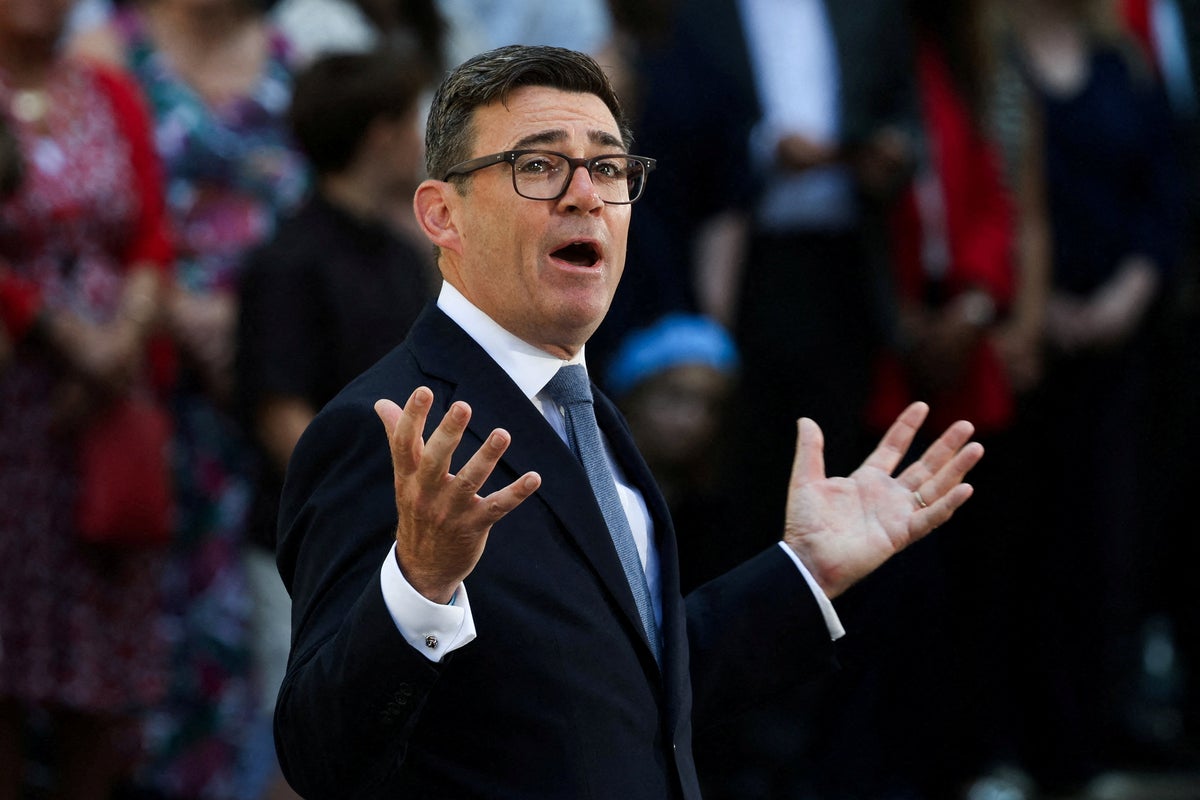
Andy Burnham has faced criticism over how he plans to fund his first major policy as prime minister – an £850m cut to VAT on electricity bills – after allies of ousted predecessor Sir Keir Starmer questioned whether the sums add up. The row emerged just as Burnham used his first cabinet meeting to declare he wanted to run "a cost of living government", underscoring the pressure he faces to show quick results on living costs while critics accuse him of making unfunded promises.
The VAT cut, taking effect on 1 October, is expected to save households around £45 a year, with the government saying it will be funded by reprioritising savings from the scrapped digital ID scheme. Darren Jones, sacked as chancellor of the Duchy of Lancaster, said that scheme itself had been "unfunded" and that the government would need to explain its funding at the Budget; Downing Street insisted the measure was "fully funded" for this financial year. The announcement comes amid speculation Burnham may introduce a wealth tax and raise the income tax threshold from its current £12,570, with Ofgem's price cap forecast at £1,849 for a typical household and new chancellor John Healey pledging further help this winter.
In short
- Burnham's £850m energy VAT cut criticised as potentially unfunded.
- Cut takes effect 1 October, saving households roughly £45 annually.
- Wealth tax and income tax threshold changes also under consideration.
Steelman: both sides, in good faith
The strongest fair case each way — we don't pick a winner.
The case for
The government has a responsibility to act swiftly on the cost-of-living crisis, which causes genuine hardship for millions of households, and redirecting resources from the cancelled digital ID scheme represents a legitimate form of funding – all governments routinely reprioritise spending between programmes. The VAT cut will provide concrete relief to families whilst the government develops its comprehensive fiscal strategy, and demonstrating early commitment to cost of living as a priority sends an important signal about this administration's values and immediate focus.
The case against
Critics argue that using supposed 'savings' from poorly-costed or abandoned schemes to fund new measures does not address the underlying fiscal position and simply compounds earlier errors rather than correcting them; a credible government should present a comprehensive, clearly-explained funding plan before announcing major commitments, rather than adopting a piecemeal approach that requires retroactive justification at the Budget, which risks public perception of fiscal drift and undermines proper parliamentary scrutiny.
Explained simply
Andy Burnham became prime minister and has made tackling the cost of living crisis a central priority. His first major policy announcement is a cut to VAT on electricity bills, intended to reduce household energy costs.
The government says the VAT cut will save the typical household about £45 a year on their electricity bills. The policy is planned to be funded through savings from a digital ID scheme the government has scrapped.
Critics connected to the previous government have questioned whether the digital ID scheme was properly funded in the first place. This has raised questions about whether Burnham's cost of living policy is truly funded, putting pressure on his government to demonstrate that its major commitments rest on sound financial planning.
Government Politics Space Technology