Burnham warned cash ‘not vibes’ needed to bolster defence amid rising threat from Russia
Developed over time first seen 2 months ago
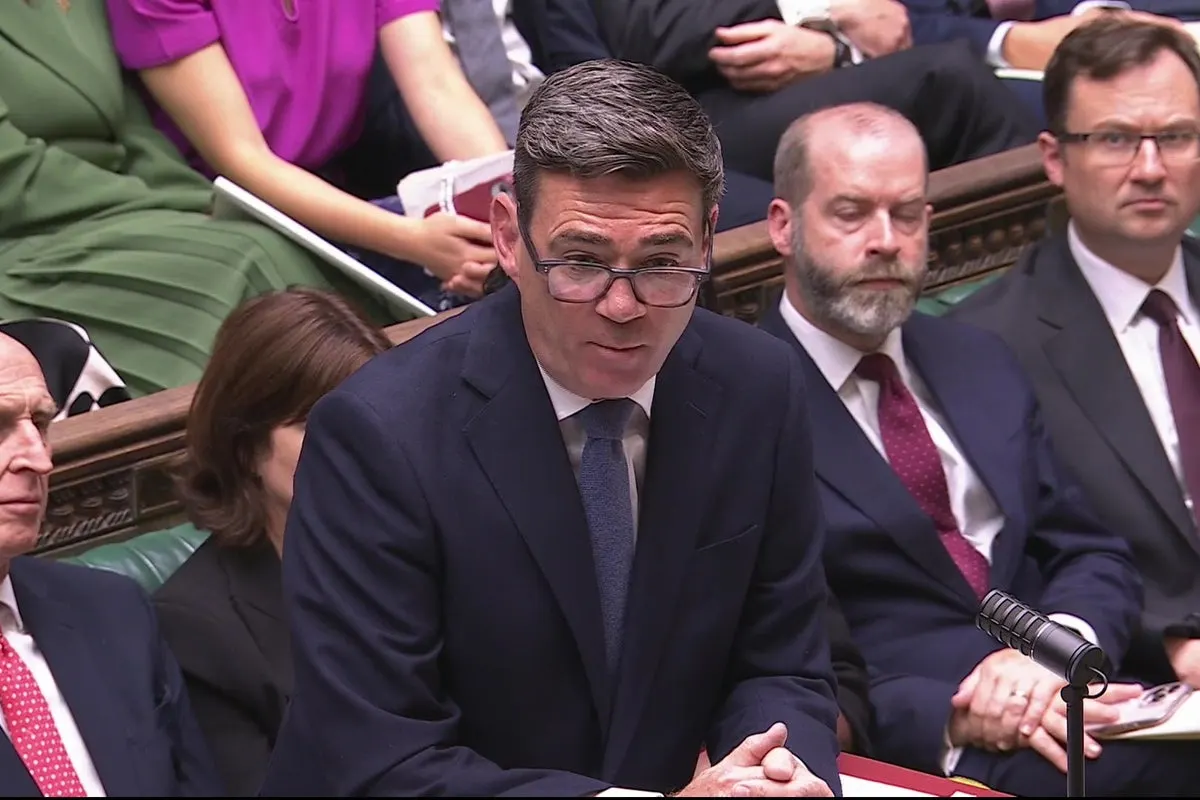
Andy Burnham faced pressure at Prime Minister's Questions to commit firmly to raising UK defence spending, after reports suggested the Government could drop its pledge to reach 3% of GDP by 2030. Labour's Tan Singh Dhesi, who chairs the Commons Defence Select Committee, told Burnham that "vibes alone" would not be enough given the heightened threat from Russia and reduced US focus on European security, urging him to set out a clear pathway rather than waiting for a future fiscal event. Conservative leader Kemi Badenoch also pressed Burnham, arguing the "honeymoon is over" and calling for welfare cuts to fund defence instead.
Burnham insisted there was "no problem" with the Government's commitment, pointing to a recent visit to Ukraine and pledging to fully fund the Defence Investment Plan, with a route to meeting the Nato target by 2035 to be set out at next year's spending review. The row follows John Healey's resignation as defence secretary over Keir Starmer's earlier defence plans, before Healey was made Chancellor by Burnham with an expectation of hitting 3% by 2030 and 3.5% by 2035; reports now suggest he may step back from the 2030 goal. Current proposals would raise spending to 2.7% of GDP by 2027/28, with the Treasury insisting further detail will follow at the next spending review.
- Sources
- 2
- Outlets
- 1
- Left · Centre · Right
- 2 · 0 · 0
In short
- Burnham pressed at PMQs over wavering 3% GDP defence spending pledge
- MPs warn "vibes" won't counter rising Russian threat
- Treasury says fuller spending plans due at next year's review
How this story developed
- 2 months ago Andy Burnham faced pressure at Prime Minister's Questions to commit firmly to raising UK defence spending, after reports suggested the Government could drop its pledge to reach 3% of GDP by 2030.
Steelman: both sides, in good faith
The strongest fair case each way — we don't pick a winner.
The case for
A clear, earlier path to higher defence spending could help the UK respond to a more dangerous security environment, reassure allies and give the armed forces confidence to plan and invest. Supporters argue that delaying firm commitments risks leaving the country unprepared, especially as US attention to European security appears less certain.
The case against
A government must match defence promises to what it can sustainably fund, and setting a firm 2030 target before the spending review could force rushed choices or undermine other public services. Supporters of waiting for the review argue that a credible, fully funded plan to reach Nato’s target by 2035 is better than an earlier pledge without settled costs or a clear account of trade-offs.
Explained simply
Nato is a military alliance whose members agree to defend one another. The UK measures its defence spending as a share of its economy, or gross domestic product (GDP), and has faced calls to raise that share as security concerns in Europe grow.
Russia’s war in Ukraine has increased concern about the risk to European security, while the United States is seen as less focused on defending Europe. UK ministers set spending plans through government budgets and reviews, balancing defence with other demands on public money.
Andy Burnham is the prime minister, and John Healey is the chancellor; Tan Singh Dhesi chairs the Commons Defence Select Committee, which examines defence policy, while Kemi Badenoch leads the Conservatives. Their dispute centres on how quickly the UK should increase defence spending and how any rise should be paid for.
Coverage · 2 sources
Bias meters
From 2 rated sources.
Europe Government Politics World