Burnham urges focus on emergency supplies after wine joke overshadows guidance
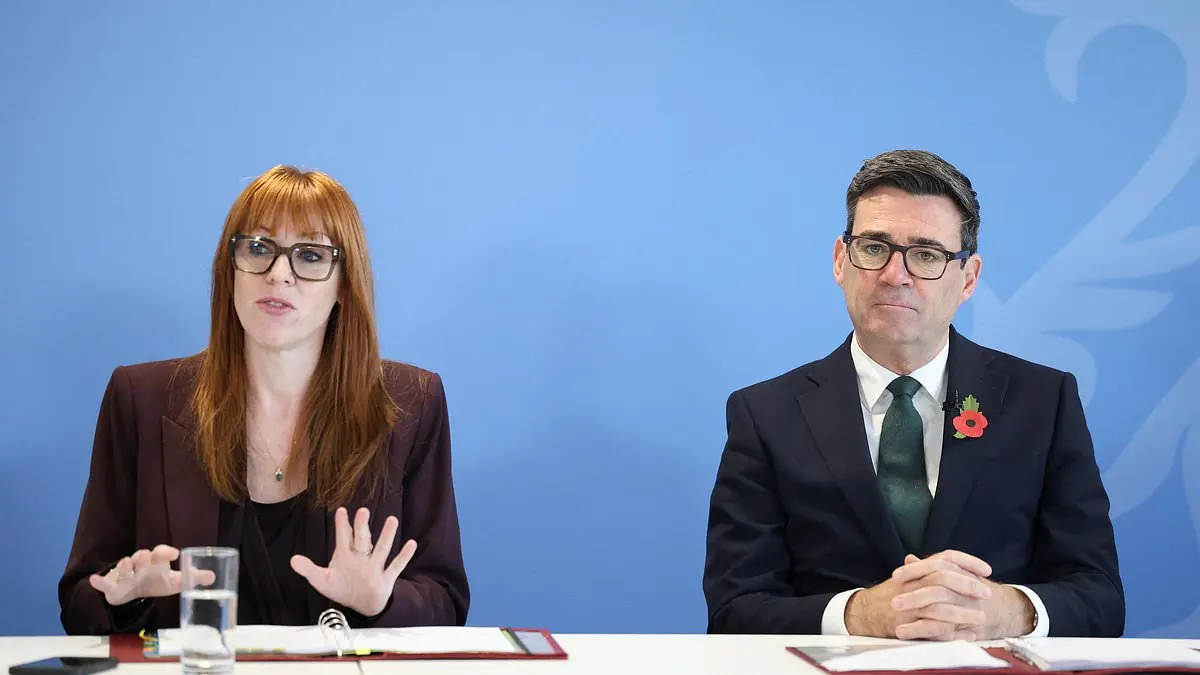
Andy Burnham sought to refocus the Government’s new emergency-preparedness guidance after Angela Rayner’s joke about putting sauvignon blanc in a disaster bag drew attention. He said alcohol should not top the list and people would need a clear head, while allowing that some might want a glass or two; the exchange risked making serious advice appear farcical.
The guidance recommends keeping enough food and water for three days, cash, a wind-up or battery radio, loo roll and baby food, with the aim of helping households prepare for emergencies such as wildfires, floods and cyber attacks. Treasury minister James Murray said people should decide what suited their needs and resources, adding that coffee was the one thing he stockpiled. Critics said the advice could cause panic and questioned the Government’s defence spending.
In short
- Burnham said wine should not top emergency supplies.
- Official guidance recommends essentials for three days.
- James Murray said coffee was his household staple.
Steelman: both sides, in good faith
The strongest fair case each way — we don't pick a winner.
The case for
Clear advice to keep basic supplies for three days could help households cope with floods, wildfires or cyber attacks while emergency services are stretched. Tailoring the list to people’s needs and means, as ministers suggest, could make preparation practical without requiring elaborate stockpiles.
The case against
Public advice about emergencies can cause unnecessary anxiety if it is presented without a clear account of the risks or what government is doing to prepare. Critics may also argue that household stockpiles shift attention towards individual responsibility while leaving questions about public resilience and defence spending unanswered.
Explained simply
Andy Burnham is the mayor of Greater Manchester, while Angela Rayner is a senior Labour politician and James Murray is a Treasury minister. The Government’s emergency-preparedness guidance is intended to help households plan for events that could disrupt daily life, such as floods, wildfires or cyber attacks.
It suggests keeping basic supplies at home to last three days, including food, water, cash and a radio. The advice has prompted debate about how people should prepare, what households can reasonably afford and how the Government should explain the risks.
Americas Art Business Culture Government Markets Politics World
Read the full article at the source →
Originally published by Daily Mail as “Burnham’s doomsday guide descends into farce as he is forced to play down Rayner’s joke about stockpiling white wine… and minister quips he has plenty of coffee”.