Burnham’s plans to revive high street are ‘delusional’, Mike Ashley says
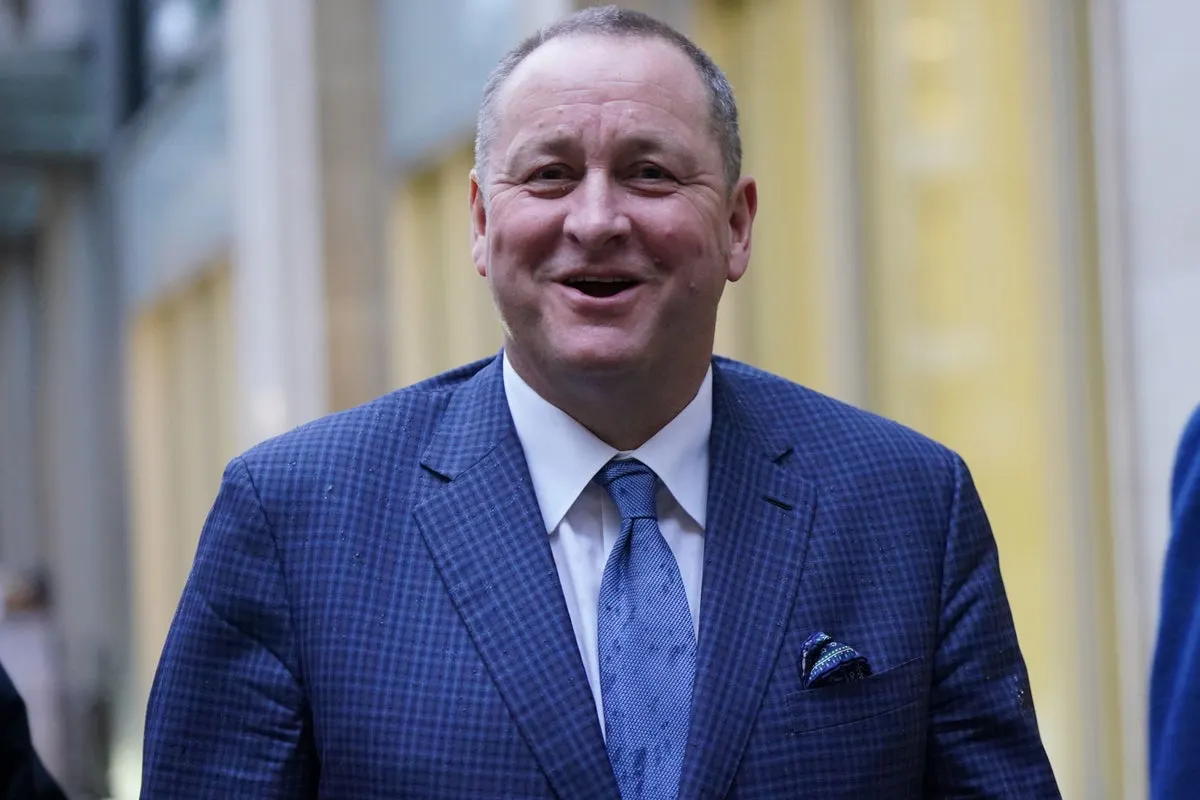
Frasers founder Mike Ashley has criticised Prime Minister Andy Burnham’s plans to revive British high streets, calling them “delusional” and arguing they do not address retailers’ main costs. He said shops would face further damage unless business rates and employment costs were reduced, accusing the government of prioritising regulation and media-friendly policies over competitiveness and growth.
Burnham has proposed a 20 per cent business-rates cut for pubs, clubs and live music venues from next April, funded partly by reviewing reliefs for businesses such as vape shops and tackling tax non-compliance by online marketplaces. He has also suggested higher rates for large warehouses serving online retailers, sometimes described as an “Amazon tax”; Ashley said this would merely shift costs onto larger retailers and was too little, too late. Ashley also cited store theft, which he estimated costs Frasers about £40 million annually, while Downing Street said its wider programme aims to ease living costs and support businesses.
- Ashley says Burnham’s high-street strategy ignores retailers’ biggest costs.
- Ministers plan lower rates for hospitality venues and reforms for online retail.
- Frasers says store theft costs it around £40 million each year.
New here? Start with this
Business rates are taxes on business premises, including shops, pubs and warehouses. The rules and reliefs that determine how much businesses pay can affect whether they open, stay or invest in a town centre.
Mike Ashley founded Frasers Group, which owns retailers including Sports Direct and House of Fraser. Andy Burnham is a senior Labour politician who has put forward proposals to support high streets, including lower rates for some hospitality and music venues and higher rates for some large online-retail warehouses.
The debate reflects competing views about what is putting pressure on shops and how best to support town centres. Retailers also face costs such as wages, rent and losses from theft, while local businesses and communities may depend on busy high streets for jobs and services.
Both sides, in good faith
The strongest fair case each way — we don't pick a winner.
The case for
Ashley’s case is that high street shops need relief from business rates, employment costs and theft, and that adding charges to large warehouses may simply raise retailers’ costs without making town-centre trading more viable. On this view, policies that favour visible interventions over reducing those underlying pressures risk weakening competitiveness and doing too little, too late.
The case against
Burnham’s case is that targeted rate relief can help pubs, clubs and live music venues that contribute to town-centre life, while reviewing reliefs and tackling online-marketplace tax non-compliance could help fund support more fairly. Higher rates for large online-retail warehouses could also be defended as a way to address differences in the tax treatment of online and physical retail, alongside wider measures to support businesses and ease living costs.