Business news and discussion on TalkFuse.
Butterfly city blooms in shadow of office blocks
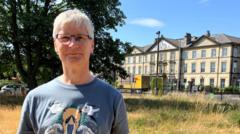
A "mini meadow" left to grow wild in Hull city centre, on Land Registry land near St Stephen's Shopping Centre, has attracted ten species of butterfly, according to the wildlife group Hull Butterfly City. Volunteer Sean Clough said the presence of breeding small skipper butterflies is particularly notable, calling it "rare for a city", as the project shows how small changes to urban land management can support biodiversity even amid office blocks and retail development.
The meadow was created in 2023 to encourage planting that provides food for caterpillars, not just flowers for pollinating adults. Clough explained that small skippers need grass left uncut year-round, since their caterpillars overwinter inside a grass sheath, and that most butterfly species are highly specific about their caterpillars' food plants. The area has also drawn dragonflies and grasshoppers, and Land Registry sustainability head Sarah Duell said staff, initially wary the unmown patches would look untidy, have come to love seeing the wildlife it has brought to the office grounds.
In short
- Wild "mini meadow" in Hull city centre now hosts ten butterfly species.
- Rare breeding small skipper butterflies found on Land Registry land.
- Uncut grass since 2023 also attracted dragonflies and grasshoppers.
Explained simply
A small patch of land in Hull city centre has been left to grow wild in an area surrounded by office buildings and shopping centres. The unmowed meadow near St Stephen's Shopping Centre has attracted ten different butterfly species along with dragonflies and grasshoppers since it was created in 2023. The project shows that wildlife can flourish even in busy urban environments.
The meadow is managed by volunteers from Hull Butterfly City, a local wildlife group, working with the Land Registry which owns the land. Their approach is to grow the right plants for butterfly caterpillars to eat, not just flowers for adult insects, as different species have very specific food requirements. Small skipper butterflies, which breed here, are particularly notable because their caterpillars need grass left uncut all year, as they spend winter inside the grass itself.
The project is significant because it demonstrates how simple changes to urban land management can support wildlife. Land Registry staff who work nearby were initially concerned the unmowed patches would look untidy, but have come to value the insects and creatures now visible in their office grounds. The meadow shows that targeted management of even small urban spaces can create habitat for vulnerable species.