Technology news and discussion on TalkFuse.
CAA’s Bryan Lourd Urges Congress To Pass AI Legislation To Protect Americans “Famous Or Not”
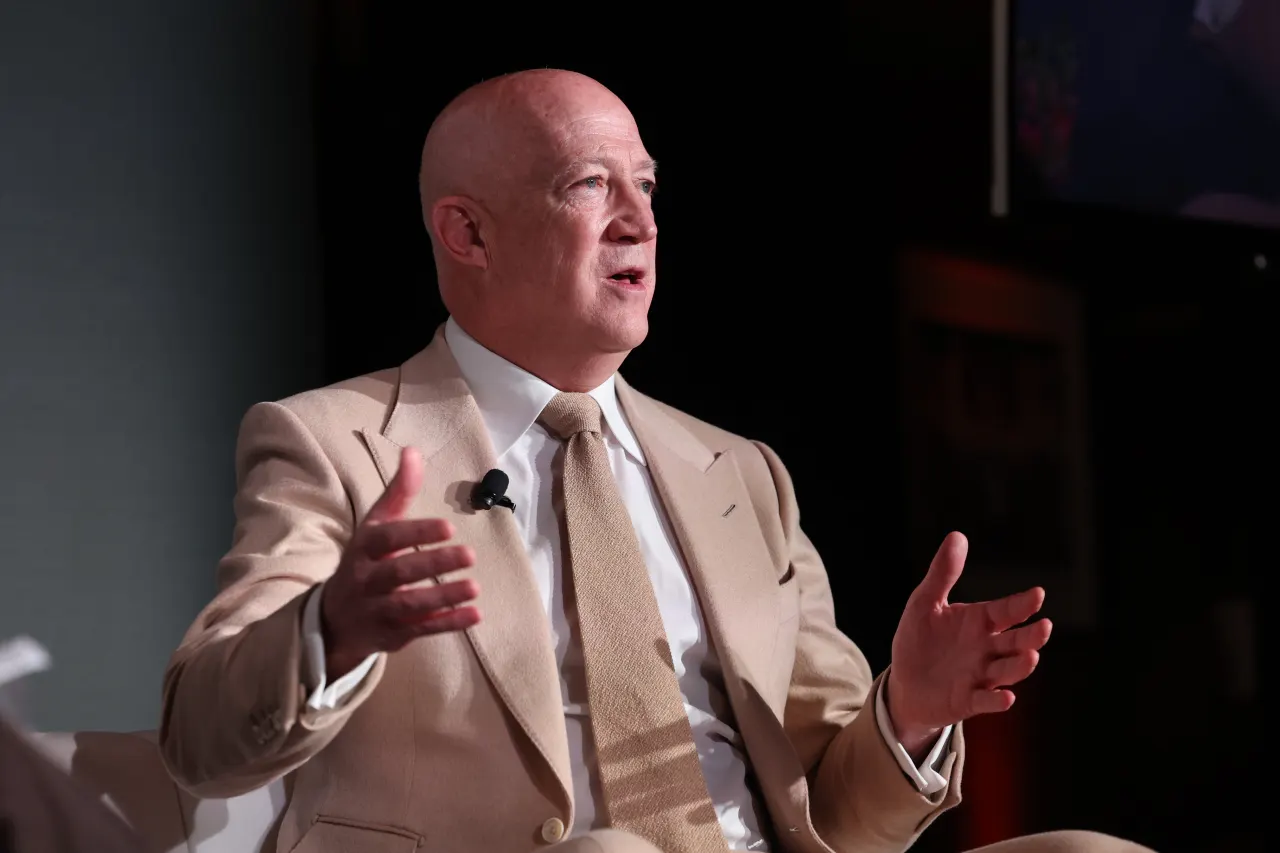
CAA chief Bryan Lourd is urging Congress to pass the No Fakes Act, which would prohibit creating digital replicas of a person’s voice or likeness without consent. He argues it would protect Americans broadly and establish clear rules as artificial intelligence makes such replicas easier to produce.
The bill was approved unanimously by the Senate Judiciary Committee in June, and Lourd says there is momentum for a full vote before the end of the year. It would set a federal standard based on control, consent and compensation, replacing differing state laws. Backers include SAG-AFTRA, the Motion Picture Association, IBM, Google and OpenAI.
In short
- Bryan Lourd wants Congress to pass the No Fakes Act.
- The bill would bar non-consensual digital replicas of anyone’s voice or likeness.
- It cleared a Senate committee unanimously in June.
Steelman: both sides, in good faith
The strongest fair case each way — we don't pick a winner.
The case for
A federal right to control digital replicas could protect people from fraud, harassment and unauthorised commercial use of their voices or likenesses, regardless of fame. Supporters argue that clear national rules would give individuals and businesses more certainty than a patchwork of state laws, while consent and compensation recognise that people should have a say in how their identity is used.
The case against
A broad federal restriction could make legitimate uses of likenesses harder, including parody, journalism, research and other forms of expression, unless its exceptions are carefully drawn. Critics could also argue that one national standard may override stronger state protections or impose compliance costs and uncertainty on smaller developers, so Congress should scrutinise the bill’s scope and safeguards before passing it.
Explained simply
Artificial intelligence can now generate convincing imitations of a person’s face or voice, sometimes using only a small amount of existing material. These imitations can be used in films and other media, but can also be made without a person’s knowledge or agreement.
Bryan Lourd is a senior executive at Creative Artists Agency, which represents people in entertainment. The No Fakes Act is a proposed US law that would set nationwide rules for digital replicas, including requiring a person’s consent and giving them control over how their likeness or voice is used.
The proposal has drawn support from entertainment unions and technology companies. The debate matters beyond celebrities: a common federal standard could affect how anyone’s face or voice is reproduced, while replacing rules that currently vary between states.
AI Americas Government Politics Technology World