World news and discussion on TalkFuse.
Caitlin Clark keeps delivering record WNBA viewership as Fever top 1 million viewers yet again
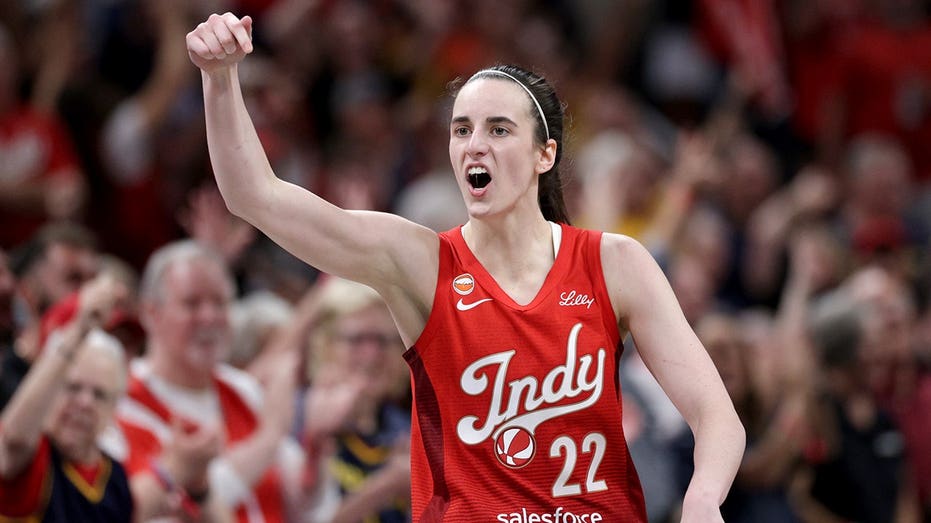
Caitlin Clark and the Indiana Fever continue to break WNBA television viewership records, with the team's game against the Golden State Valkyries becoming the most-watched WNBA fixture in USA Sports PR's tracking history. This underlines Clark's outsized commercial impact on the league, even as questions persist about how well the WNBA is managing her rise, including criticism over officiating standards affecting her and other players.
The Fever's 15 July game against the Valkyries averaged 1.14 million viewers, according to USA Sports PR, surpassing a previous record Clark and Indiana had themselves set. Separately, broadcaster Sage Steele argued the WNBA is mishandling its most valuable asset, pointing to persistent poor officiating and uncalled fouls against Clark as a risk to the league's rapidly growing fanbase.
In short
- Fever-Valkyries game hit 1.14 million viewers, a new WNBA record.
- Clark continues driving unprecedented WNBA television audiences.
- Critics say poor officiating threatens to undermine her impact.
Steelman: both sides, in good faith
The strongest fair case each way — we don't pick a winner.
The case for
Supporters of improved management argue that the WNBA should recognize Clark as a generational talent who has single-handedly transformed the league's commercial viability and created unprecedented viewership growth. Given this extraordinary impact, the league bears a responsibility to ensure the highest standards of officiating and protection for all players to maintain fan confidence in the sport's integrity and credibility. Inconsistent calls and uncalled fouls not only affect individual players but undermine the quality of competition and risk squandering the momentum Clark has created for sustained growth.
The case against
Critics of this view contend that the WNBA's fundamental obligation is to maintain consistent competitive integrity and fair treatment for all players, irrespective of their commercial value or public profile. The league's rising viewership figures demonstrate that current management practices are succeeding, and introducing preferential treatment based on financial considerations would compromise fairness and set a dangerous precedent about how rules are applied. True credibility and sustainable growth come from impartial enforcement of standards that applies equally to every player on every court.
Explained simply
The Women's National Basketball Association, or WNBA, is a professional American women's basketball league. Caitlin Clark is a player for the Indiana Fever who has become the focal point of a significant surge in the league's television audiences.
Fever games have recently broken multiple viewership records, with some broadcasts attracting more than one million viewers. These figures are historically unprecedented for women's professional basketball, which has traditionally had considerably lower television audiences.
The rapid growth of the fanbase around Clark has prompted questions about how the league is managing its expansion and maintaining standards. Some observers have raised concerns about officiating consistency and whether officials are applying standards equally across all players.