Calamity Lammy strikes again! Former deputy PM accused of giving Andy Burnham phone number of fraudster pretending to be Trump aide
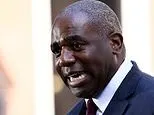
David Lammy has reportedly given Prime Minister Andy Burnham a phone number that turned out to belong to a fraudster impersonating Donald Trump's chief of staff, Susie Wiles. Mr Burnham exchanged several messages with the impersonator over a period that began before he became PM and continued after he took office on 20 July, prompting the matter to be reported to the White House as a potential security concern.
A source claimed Mr Lammy, sacked from Cabinet when Mr Burnham took over, had hoped passing on the contact would curry favour with the new PM but instead caused him embarrassment. Downing Street said only a handful of insignificant messages were exchanged, and Mr Burnham insisted he was not embarrassed, saying he had reported the incident promptly and handled it correctly. However, security expert Professor Anthony Glees called the episode "very serious," noting the exchanges spanned several days around Mr Burnham's transition into office. Ms Wiles has previously been targeted by phone hackers and an Iranian cyber espionage unit.
- Lammy allegedly gave Burnham a fraudster's number, thinking it was Trump aide Susie Wiles.
- Burnham exchanged messages with the impersonator before and after becoming PM.
- Burnham says he reported it promptly and isn't embarrassed; expert calls it serious.
New here? Start with this
Lammy is the shorthand nickname for David Lammy, who served as deputy prime minister until he was removed from Cabinet when Andy Burnham became PM. Burnham has been in office since 20 July 2026, and this story concerns a mistake that allegedly happened during and after that handover. Susie Wiles is Donald Trump's chief of staff, a senior figure in the White House, whose identity was apparently used by a fraudster to deceive Burnham.
The episode matters because it touches on how securely a new prime minister's contacts and communications are handled, particularly when they involve, or appear to involve, senior figures in a foreign government. Ms Wiles has been a target of impersonation and hacking attempts before, which adds to concerns about the security implications of this incident. It has already been reported to the White House, indicating officials treated it as more than a minor mix-up.
Accounts of how serious the matter is differ. Downing Street has downplayed the exchange as brief and insignificant, while at least one security academic has described it as very serious, reflecting a broader debate about how much this incident reveals about vulnerabilities in political communications.
Both sides, in good faith
The strongest fair case each way — we don't pick a winner.
The case for
Those who see this as a genuinely serious matter point out that senior politicians exchanging messages with an unverified number claiming to belong to a head of state's chief of staff is precisely the kind of lapse hostile intelligence services exploit, particularly given Ms Wiles has already been targeted by phone hackers and Iranian cyber operatives. On this view, the fact that the contact was passed on casually, that messages continued into Mr Burnham's premiership, and that a security academic has publicly called it "very serious" all suggest this deserves scrutiny rather than dismissal, since basic protocols for verifying sensitive contacts exist for good reason and lapses at the top set a poor example.
The case against
Those inclined to see this as overblown argue that no classified information was compromised, that Downing Street describes only a handful of insignificant exchanges, and that Mr Burnham did exactly what should be expected by identifying the fraud and reporting it promptly to the White House. On this view, the story leans heavily on an anonymous source with an obvious motive to embarrass a rival who sacked him, and framing an honest mistake, quickly corrected, as a scandal risks punishing transparency and turning an unremarkable security hiccup into unwarranted political theatre.