California sued over policy that could free serial killers as Laci Peterson’s friend sounds alarm
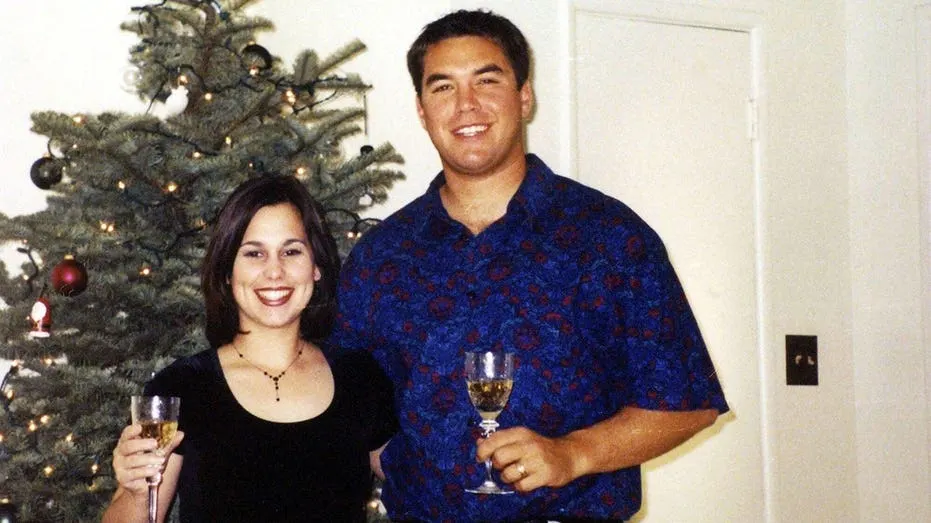
A lawsuit has been filed against California's parole board over new guidelines that critics warn could pave the way for serial killers and mass shooters serving life without parole to be released. The challenge is being led by former Sacramento County District Attorney Anne Marie Schubert, with the family and friends of murder victim Laci Peterson among the crime-victim advocates supporting the legal action.
Schubert argues that the California Board of Parole Hearings' updated policy creates a pathway to freedom for some of the state's most serious offenders, including those convicted of multiple murders. Details of the specific guidelines and the lawsuit's legal grounds were not fully outlined, but the involvement of Peterson's inner circle underscores the emotional weight the case carries for victims' families opposed to the change.
In short
- Lawsuit filed against California parole board's new release guidelines
- Ex-Sacramento DA Anne Marie Schubert leads the legal challenge
- Laci Peterson's family and friends back the opposition effort
Steelman: both sides, in good faith
The strongest fair case each way — we don't pick a winner.
The case for
Serial killers and mass shooters commit murders that demonstrate persistent, calculated intent to harm multiple victims; such extreme crimes warrant permanent incapacitation through life without parole as both a just punishment proportionate to the harm caused and an essential public safety measure. Reopening parole review for these offenders subjects victims' families to repeated trauma and creates an unacceptable risk of release, undermining the principle that certain acts merit irreversible consequences.
The case against
Even those convicted of the most serious crimes merit periodic review and the possibility of eventual consideration for release based on genuine transformation over decades, as denying any opportunity for reassessment contradicts fundamental principles of human dignity and constitutional protections. Parole boards, properly equipped with expert oversight, can distinguish between genuine rehabilitation and continued danger, and categorical bans prevent individualised justice that accounts for the unique circumstances of each case.
Explained simply
California’s parole board reviews some prisoners’ cases to decide whether they can be released under state law. A sentence of life without parole is intended to mean a person remains in prison for life, though California has separate rules and processes that can affect how sentences are carried out.
Former Sacramento County district attorney Anne Marie Schubert is leading the legal challenge, alongside crime-victim advocates, including people close to Laci Peterson, who was murdered in 2002. Their involvement reflects concerns among some victims’ families about how changes to parole rules could affect people convicted of multiple murders.
The case matters because it may clarify the board’s authority and how its guidelines apply to people serving life sentences. The reported account does not set out the precise rules or legal arguments, so their scope will be central to understanding the dispute.