California festival death raises concerns over heat safety arrangements
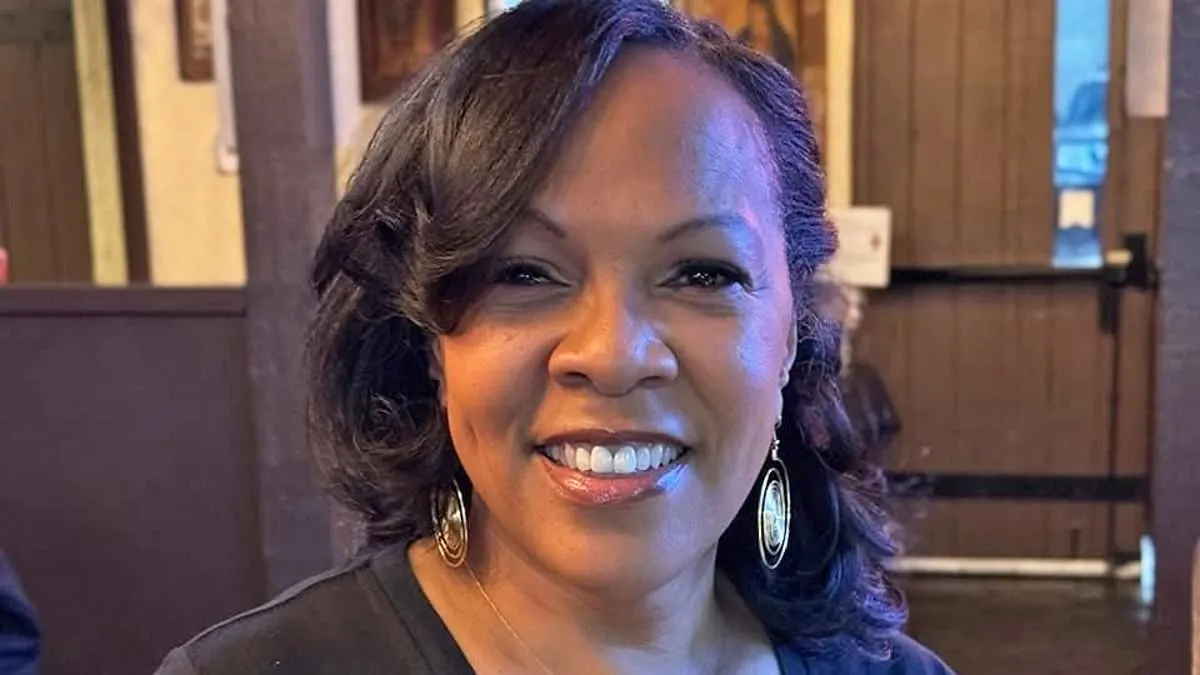
Shari Sanders, a California woman, collapsed and died from heat-related illness at the Carson Jazz Festival on 3 October, just a month after moving back into her rebuilt home. The tragedy has prompted scrutiny of the venue's safety preparations, particularly given Sanders' recent loss of her 35-year family home to the Eaton Canyon wildfire in January 2025.
On the festival day, temperatures reached 100°F in California, and attendees reported standing for hours before being allowed inside. An on-site doctor, Dr Dionne Leslie, performed cardiopulmonary resuscitation for approximately 20 minutes before paramedics arrived. Musician Sheila E, who performed at the event, subsequently criticised the venue's preparation, noting only one water station was available and that production delays had disrupted normal protocols.
- Woman who survived wildfires died of heat exhaustion at festival just weeks after rebuilding
- Venue had inadequate safety measures including only one water station during extreme heat
- Sanders lost her 35-year home to fires in January 2025
New here? Start with this
The Carson Jazz Festival is an outdoor music event held in California. On 3 October, the festival took place during exceptionally hot weather, with temperatures reaching approximately 100°F (38°C), which posed significant challenges for attendees spending extended periods outdoors.
Festival-goers reported standing in the heat for hours before being allowed to enter the venue, and attendees noted that only one water station was available to serve the crowd. Production delays at the event disrupted standard safety protocols. Musician Sheila E, who performed at the festival, later criticised the adequacy of these preparations for such hot conditions.
Heat-related illness is a serious public health concern at outdoor events, particularly in regions like California where high temperatures are common. The incident has prompted examination of whether outdoor event venues have sufficient heat safety measures in place, including adequate water provision, rest and shading facilities, and appropriate medical staffing.
Both sides, in good faith
The strongest fair case each way — we don't pick a winner.
The case for
Event venues hosting outdoor gatherings in extreme heat have a fundamental responsibility to protect attendee safety through adequate provisions. The provision of only one water station for potentially thousands of attendees was demonstrably insufficient, and requiring people to stand for extended periods before entry in 100°F conditions created dangerous exposure. That production delays further extended this outdoor waiting time and disrupted established safety protocols represents a compounding failure. Heat-related deaths are substantially preventable through proper planning, and this tragedy suggests the venue fell short of basic safety standards.
The case against
Attributing a specific fatality entirely to venue failure risks oversimplifying the multi-factorial nature of heat-related illness and the genuine logistical constraints event organisers navigate. The presence of immediate medical response—with a doctor providing CPR within minutes—demonstrates some safety awareness, and extreme weather creates inherent risks beyond any single organisation's control. Individual factors including age, health status, and recent trauma may all have contributed; responsibility for heat safety extends across public health systems, urban planning, and individual preparation, not solely to event venues. Systemic improvements in heat resilience are needed rather than attributing blame to isolated incidents.
Read the full article at the source →
Originally published by Daily Mail as “California woman whose death at concert sparked outrage after band played on had just moved into new home after devastating wildfires”.