Business news and discussion on TalkFuse.
Cambridge University boss investigates faculty for appointing ‘Professor Plagiarism’ as website locks down amid ‘anger and anxiety’ around ‘damaging and difficult case’
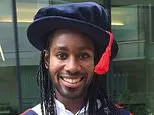
Cambridge University's vice-chancellor, Professor Deborah Prentice, has ordered an investigation into the Faculty of Education over its appointment of Jason Arday, the academic dubbed "Professor Plagiarism" after colleagues accused him of copying others' work and inventing prior academic posts. Prentice said the case had caused "anger and anxiety" across the university, describing it as "damaging and difficult", though she stressed it was an "aberration" that should not be used to "cast aspersions" on other staff of colour. Arday resigned last week, citing the "personal cost" of the controversy, and cancelled promotional events for his forthcoming memoir.
The independent inquiry, to be led by senior academics from within and beyond Cambridge, will examine Arday's 2022 appointment and his nearly four years at the university, with findings expected to inform a wider review of how senior academic posts are filled. Durham University, his previous employer, and Glasgow University have launched similar investigations. Separately, the Faculty of Education has taken its staff webpage offline amid the fallout, and one of Arday's colleagues, Dr Farah Ahmed, has faced scrutiny over historic links to the banned group Hizb ut-Tahrir, which she says she distanced herself from in 2010.
In short
- Cambridge investigates faculty over hiring of "Professor Plagiarism" Jason Arday
- Arday resigned; Durham and Glasgow also probing his past appointments
- Faculty website taken offline amid separate row over colleague's alleged extremist links
Steelman: both sides, in good faith
The strongest fair case each way — we don't pick a winner.
The case for
Cambridge University bears institutional responsibility for adequately vetting candidates before appointing them to senior academic positions. The appointment of someone with documented plagiarism and fabricated credentials represents a serious failure that directly undermines the university's integrity and the trust of students and the academic community. A thorough investigation into vetting procedures is essential both to restore confidence in Cambridge's appointment processes and to prevent similar lapses that could further damage the institution's reputation.
The case against
Whilst Arday's conduct was deeply unacceptable, the primary responsibility lies with him for his misconduct rather than attributing this as institutional failure. Without knowing what information was publicly available or verifiable at the time of his 2022 appointment, it is premature to conclude systemic vetting failures occurred. There is also legitimate concern that framing this case as evidence of institutional dysfunction risks unfairly stigmatising recent efforts to diversify academic leadership and casting unwarranted doubt on colleagues from underrepresented backgrounds.
Explained simply
Cambridge University is a large UK university made up of academic departments and faculties. Its Faculty of Education researches teaching and learning, and appoints academics to senior roles. Jason Arday joined the faculty in 2022 after working at other universities.
Academic appointments matter because universities rely on candidates’ qualifications, work and employment histories being checked. Cambridge, Durham and Glasgow are examining aspects of Arday’s appointment or work, while Cambridge is also reviewing how it fills senior academic posts. The case has drawn attention across the university, including to how scrutiny of one academic affects colleagues.
Business Health Markets Mental Health World