Campaigner accused the King of ‘walking in a crime scene’ on his Caribbean tour
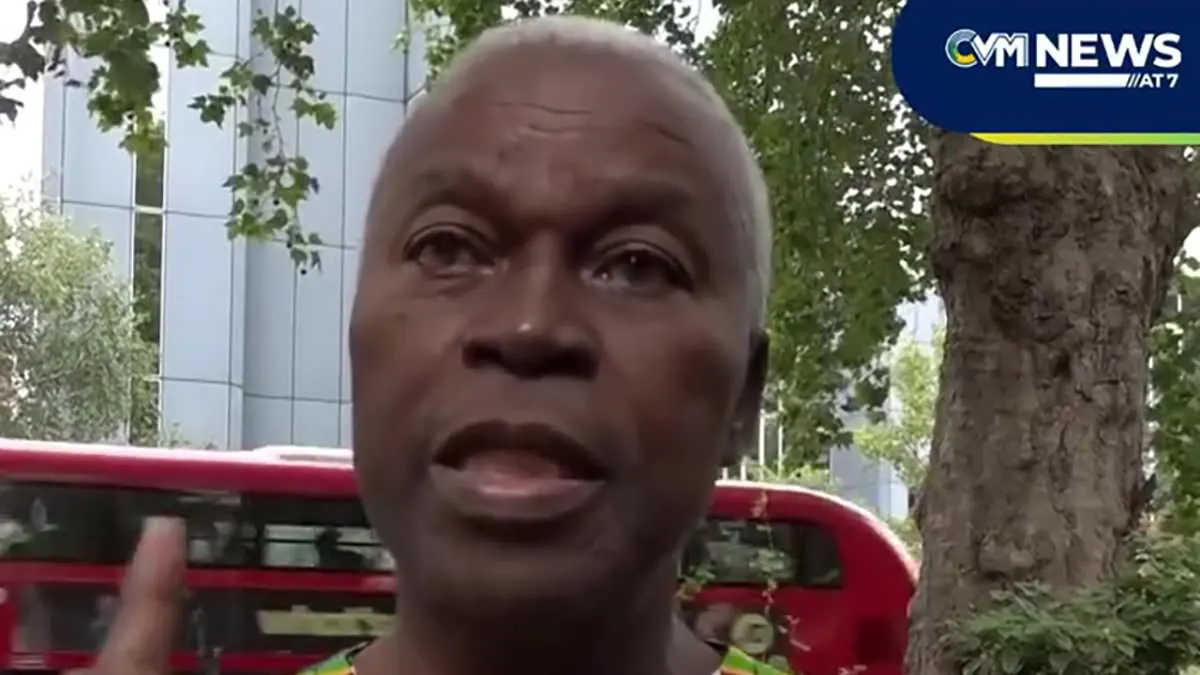
A Jamaican reparations campaigner accused King Charles of “walking in a crime scene” during his Caribbean tour, arguing that Britain’s history of slavery continues to shape the region’s poverty. His comments came as Commonwealth leaders prepared to meet and Andy Burnham indicated he might consider a public apology for slavery.
Bert Samuels, deputy chairman of Jamaica’s National Reparations Committee, said an expression of regret would not be enough and suggested he would only accept financial compensation. He helped prepare a petition submitted to the King last month seeking reparations for Africans enslaved in Jamaica. Former Supreme Court judge Lord Sumption criticised the campaign, saying Jamaica was seeking a payout from a Britain weakened by self-doubt and guilt.
In short
- Jamaican campaigner demands financial reparations for slavery.
- He said a public expression of regret would not suffice.
- Lord Sumption criticised Jamaica’s push for compensation.
Steelman: both sides, in good faith
The strongest fair case each way — we don't pick a winner.
The case for
Supporters of reparations argue that slavery and colonial rule caused lasting harm, and that their effects still shape poverty and inequality in the Caribbean. They see an apology or expression of regret as inadequate without material redress, and view reparations as a way to acknowledge responsibility and support recovery.
The case against
Opponents argue that present-day Britain should not be held financially liable for historical wrongs across generations, particularly when responsibility and the scale or form of any remedy are contested. They may regard an apology or other forms of historical recognition as appropriate, while warning that a reparations demand risks treating complex history as a claim for payment from people who did not commit the original crimes.
Explained simply
Jamaica was ruled by Britain until independence in 1962, and its economy was built in part on sugar plantations worked by enslaved Africans. Britain’s slave trade and slavery shaped societies across the Caribbean, while their effects on wealth and inequality remain subjects of debate.
Jamaica’s National Reparations Committee campaigns for action to address the legacy of slavery. Reparations can mean different things, including financial payments, investment or other measures; campaigners and critics disagree over whether Britain should provide them and what form they should take.