Technology news and discussion on TalkFuse.
Can a Radar-Equipped AC Actually Cut Your Power Bill?
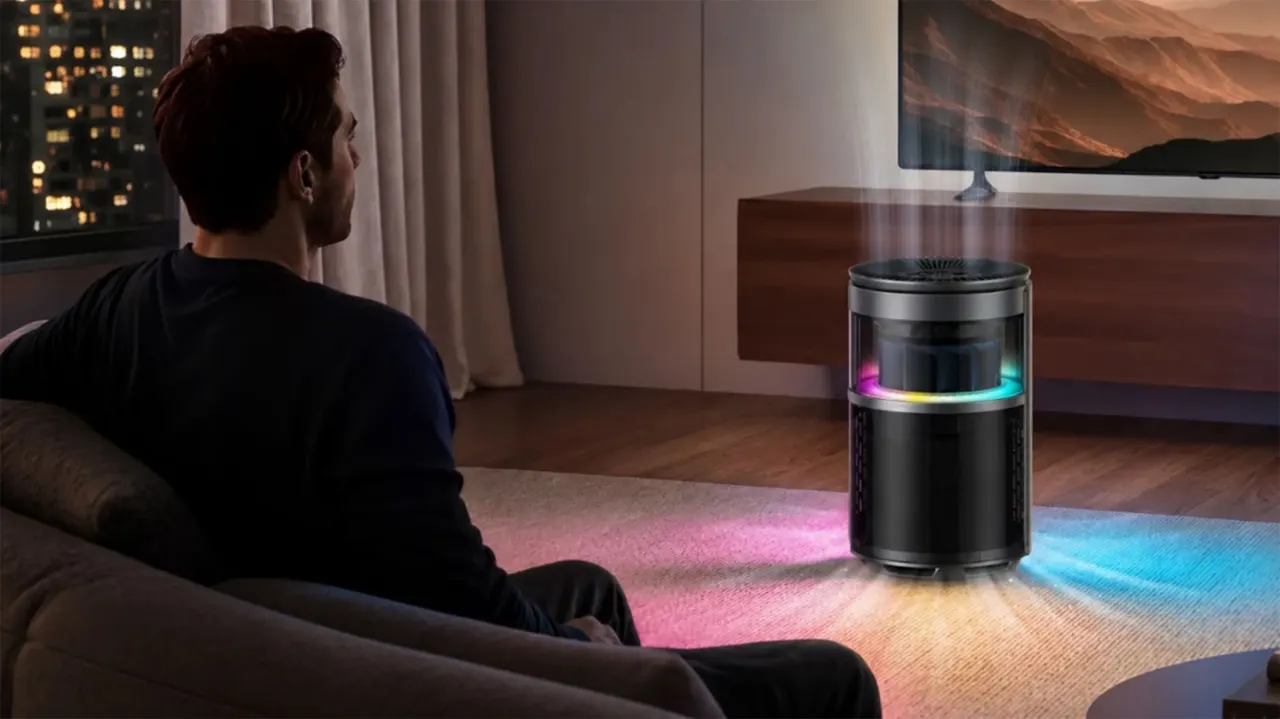
Air-conditioning is a major source of electricity use and emissions, and demand is expected to grow sharply as more homes, workplaces and schools need cooling. Manufacturers are adding radar, cameras and AI to direct cool air towards people and adapt to their routines, with the aim of improving comfort while using less energy.
The article describes systems from LG, Hisense, Samsung, Dyson and Midea, including LG’s five-metre radar sensor and Samsung’s claimed savings of up to 30 per cent when its AI energy mode is on. Some devices can track occupants or use wearable data to adjust airflow; others learn patterns or map rooms. The potential energy savings remain uncertain, and the article also points to compact heat pumps and climate-safe refrigerants as part of a broader response to rising cooling demand.
In short
- Smart ACs use sensors to direct cooling towards people.
- Samsung claims up to 30 per cent energy savings.
- The actual savings from these features remain unclear.
Steelman: both sides, in good faith
The strongest fair case each way — we don't pick a winner.
The case for
Radar-equipped air conditioners could reduce wasted cooling by directing air where people are and adjusting operation to occupancy and daily routines. If they maintain comfort while running less, households could save electricity and lower emissions, and wider adoption might help manage rising demand for cooling.
The case against
The claimed savings remain uncertain, and features such as radar, cameras and AI may add cost and complexity without reliably reducing energy use in real homes. Any benefit depends on how people use the system and how well it performs, so buyers may be better served by proven efficiency measures such as well-designed heat pumps and climate-safe refrigerants.