World news and discussion on TalkFuse.
US-backed Lobito Corridor aims to boost trade and stability in DR Congo
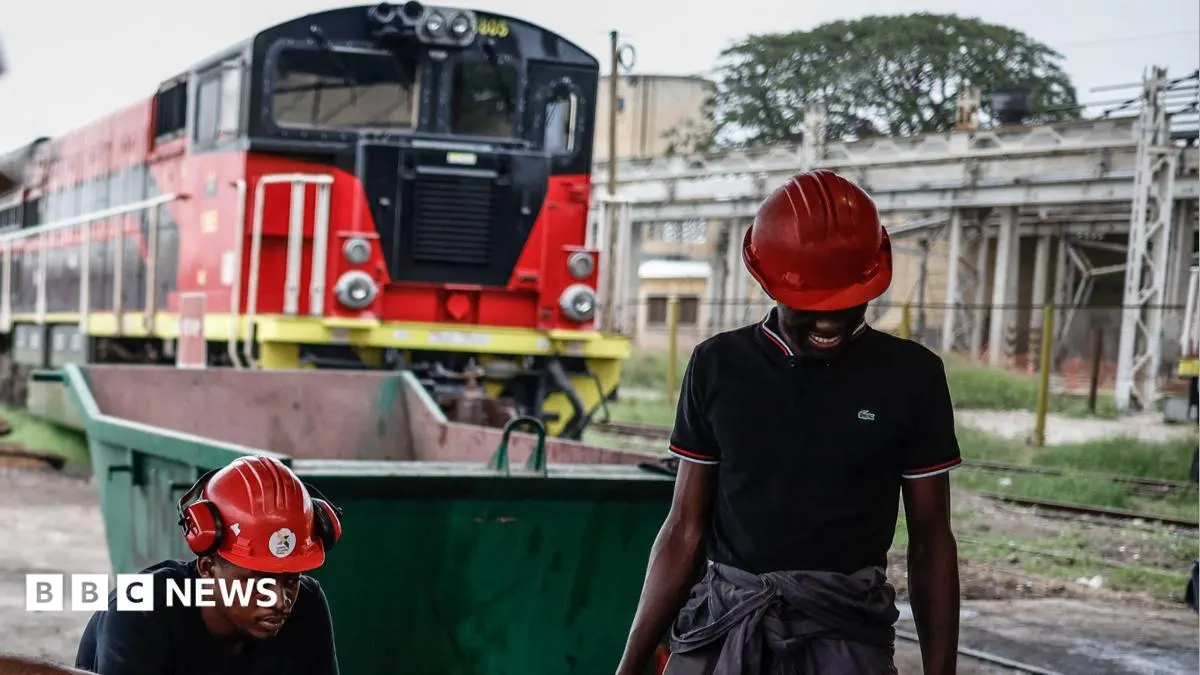
The Lobito Corridor is a US-backed effort to move minerals from DR Congo and neighbouring countries to Angola’s Atlantic coast by rail, while encouraging regional trade and investment. Supporters hope formal supply chains and new infrastructure could reduce illicit mineral trade that helps fund armed groups, and contribute to peace and prosperity in eastern DR Congo.
The route links DR Congo’s mineral-rich south to the Port of Lobito via Angola’s Benguela Railway, which reopened in 2015 after years of disruption during the civil war. More than $750m has been attracted for upgrades, and a recent train carried about 12,000 tonnes of copper cathodes for export, mostly to the US. The corridor also serves US efforts to diversify supplies of copper and cobalt and reduce reliance on China, which dominates mineral processing.
In short
- The corridor aims to ship Central African minerals through Angola.
- More than $750m is backing rail and infrastructure upgrades.
- Its promised benefits include trade, investment and regional stability.
Steelman: both sides, in good faith
The strongest fair case each way — we don't pick a winner.
The case for
Supporters argue that better rail links and investment could make mineral exports more reliable, create jobs and widen trade beyond raw materials. By strengthening formal supply chains and giving communities a stake in legal commerce, the corridor may help reduce smuggling that finances armed groups, while also diversifying access to minerals important to the global economy.
The case against
Sceptics argue that a faster route for exporting minerals does not by itself bring peace or broad-based prosperity, especially if local communities see little benefit or governance remains weak. They may also question whether the project’s strategic aim of reducing reliance on China will chiefly serve US and commercial interests, while risks of displacement, environmental harm and continued illicit trade remain.
Read the full article at the source →
Originally published by BBC World as “Can a US-backed mineral highway bring peace and prosperity to DR Congo?”.