World news and discussion on TalkFuse.
Can Beijing’s latest measures stop China’s stock market slide?
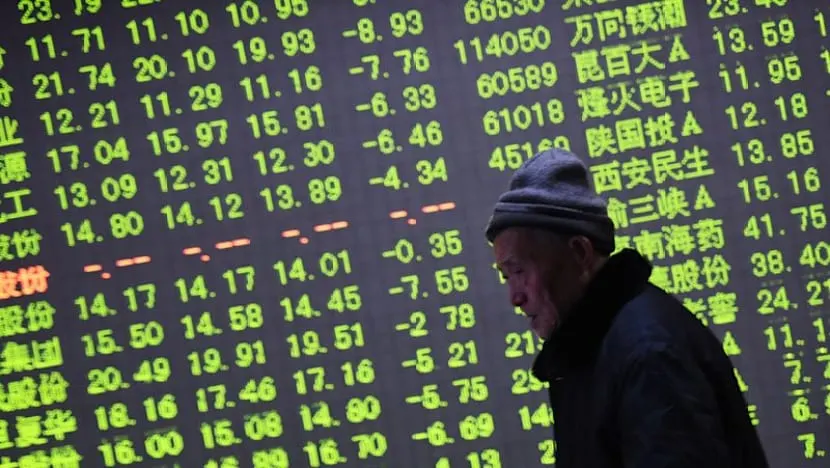
Beijing has introduced measures to steady China’s falling stock market by making funding for share purchases easier to access and cheaper. The intervention follows an 8.5 per cent drop in the CSI300 Index in October, amid weak consumption, a prolonged property debt crisis and falling technology shares.
The central bank’s swap facility could channel more than 100 billion yuan (US$15 billion) into the market, while the rate on loans for share buy-backs has been cut from 1.25 to 1 per cent and the scheme made permanent. Regulators are also urging companies, funds and ETF managers to buy shares. Analysts say these steps may limit further losses, but a lasting recovery depends on stronger economic growth, better corporate earnings and renewed investor confidence.
In short
- Beijing is making it easier and cheaper to buy Chinese shares.
- The CSI300 fell 8.5 per cent in October.
- Analysts say lasting recovery needs stronger growth and confidence.
Steelman: both sides, in good faith
The strongest fair case each way — we don't pick a winner.
The case for
The measures could help slow the slide by making it easier and cheaper for institutions and companies to buy shares, while signalling that the authorities are prepared to support the market. If that reduces panic selling and improves confidence, it may give prices time to stabilise while wider economic conditions recover.
The case against
The measures may only provide temporary support: easier financing and official encouragement cannot by themselves resolve weak consumption, the property debt crisis or falling technology shares. Without stronger growth, better company earnings and renewed confidence, investors may continue selling once the initial effect fades.
Explained simply
China’s stock market is where investors buy and sell shares in the country’s listed companies. The CSI300 Index tracks the prices of shares in 300 large companies traded in Shanghai and Shenzhen, so its movements offer one measure of how those stocks are performing.
The government and central bank can influence markets by changing how easily investors and companies can borrow money to buy shares. China’s market has faced pressure from cautious consumer spending, debt problems in the property sector and falling technology shares.
Share prices also reflect expectations about companies’ future profits and the wider economy. For a sustained recovery, investors will be watching whether growth and company earnings improve, and whether confidence returns.