‘Can I cry?’: Stalker 2 devs say its 2.0 update’s engine overhaul was a nightmare—but worth the effort
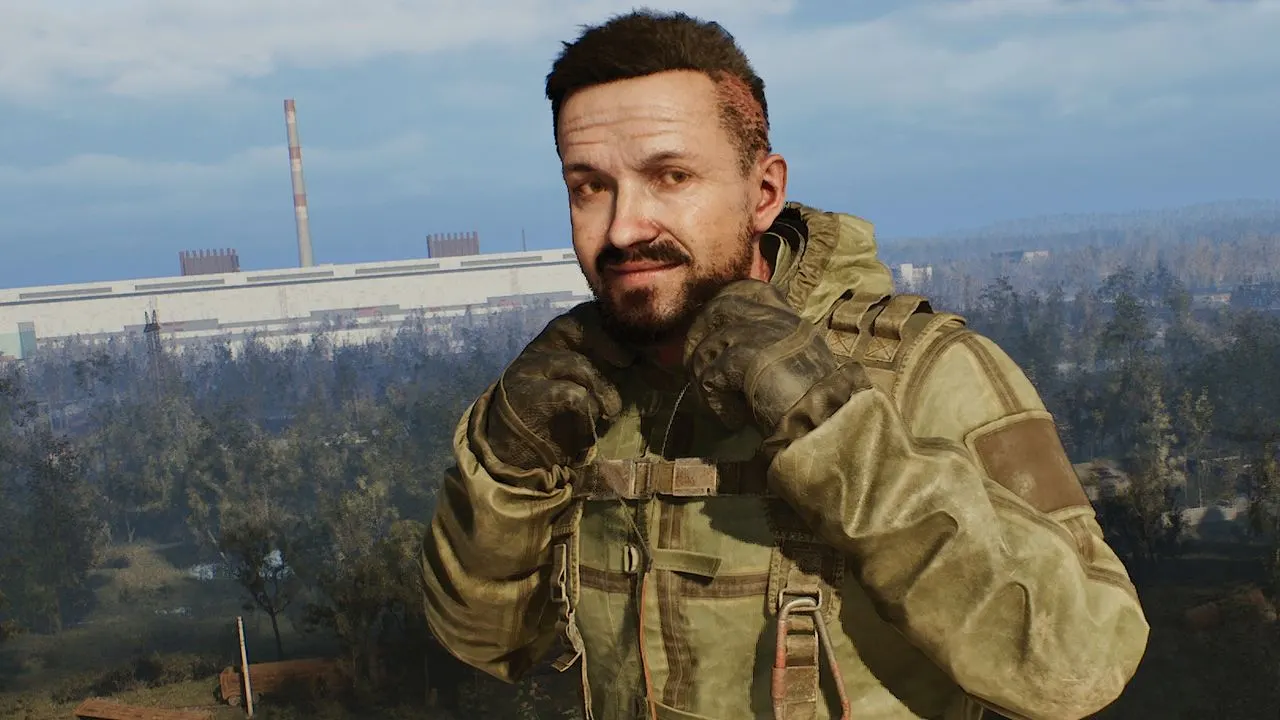
GSC Game World’s developers say that rebuilding Stalker 2’s underlying engine systems for the game’s 2.0 update was an exceptionally difficult process, but one they believe has significantly improved the experience. The work matters because it aims to address long-standing technical problems and make the game’s open-world simulation more stable, responsive and credible.
The update reportedly involved extensive changes to core technology rather than a simple set of bug fixes, with developers describing the process as exhausting and at times overwhelming. They said the effort was ultimately worthwhile because the revised systems provide a stronger foundation for future improvements to Stalker 2.
In short
- Stalker 2’s 2.0 update required a major engine overhaul.
- Developers describe the work as difficult but worthwhile.
- The changes aim to improve stability and world simulation.
Steelman: both sides, in good faith
The strongest fair case each way — we don't pick a winner.
The case for
A deep engine overhaul can be justified when long-standing technical problems undermine a game’s stability and open-world simulation. Though demanding, rebuilding core systems may deliver a more responsive experience now and give developers a stronger foundation for future improvements.
The case against
A major overhaul carries real costs: it can consume substantial development time and energy, while introducing new technical risks and delaying other improvements. Players may reasonably question whether the effort was worthwhile until the promised gains are clear in practice, especially if the update leaves important problems unresolved.
Explained simply
Stalker 2: Heart of Chornobyl is an open-world survival game made by Ukrainian studio GSC Game World. Players explore the Zone, a dangerous area shaped by a fictional nuclear disaster, where hostile creatures, scarce supplies and competing human groups affect how they survive.
The game relies on underlying software systems to run its world, from how characters and creatures behave to how the environment responds. Reworking those systems can affect the whole game and give developers a more stable base for future changes.