Technology news and discussion on TalkFuse.
Can PC coolant expire? Here’s how long it can last
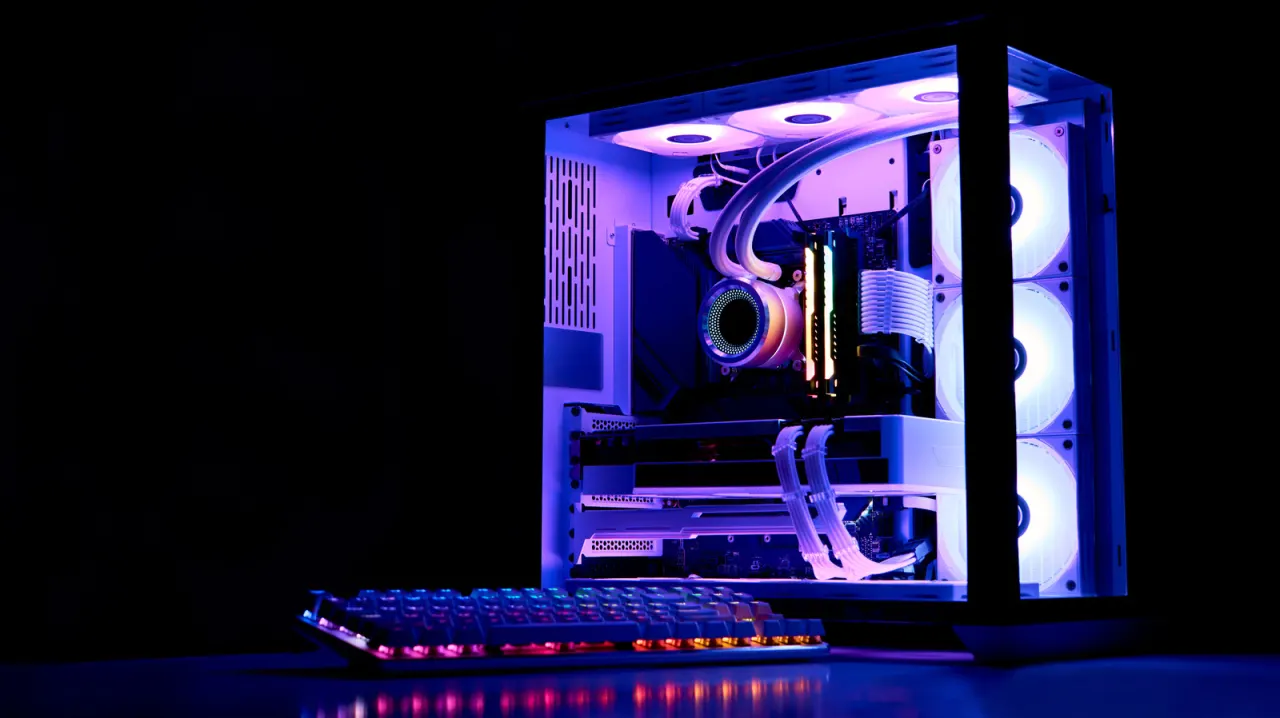
PC coolant needs periodic replacement because its protective compounds break down over time, potentially allowing corrosion and reducing lubrication in the pump and other components. Used coolant can also collect algae or particles that clog the system, so maintenance helps preserve both performance and the appearance of a liquid-cooled PC.
The article recommends changing coolant at least once a year, and possibly every six months when using semi-transparent coolant with pigments. Check the tubes, reservoir and water block for murkiness, haze, grime or algae; a sharp, sustained rise in CPU temperature may also indicate that the coolant needs replacing.
In short
- PC coolant degrades and can harm system components.
- Replace ordinary coolant at least once a year.
- Pigmented coolant may need changing every six months.
Explained simply
Liquid-cooled PCs use circulating liquid to carry heat away from the processor and other components. The liquid flows through tubes and a pump, and may pass through a radiator that releases heat into the air.
Coolant contains additives intended to help protect the system’s metal parts and keep the pump working smoothly. Over time, the liquid can become less effective or collect particles and biological growth, which may affect cooling and block parts of the loop.
How quickly coolant needs attention depends on its type and the condition of the system. Murkiness or grime in the tubes, reservoir or water block can indicate a problem, as can a sustained rise in processor temperatures.