Politics news and discussion on TalkFuse.
Can progressives push Hakeem Jeffries to the left? | Norman Solomon
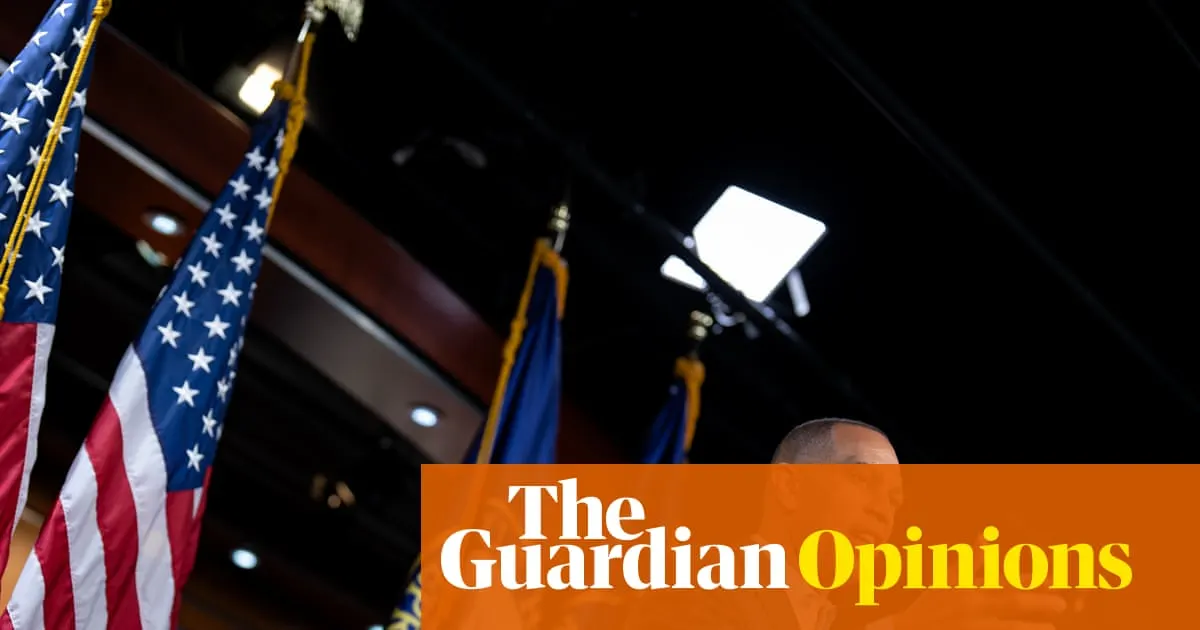
Democrats have nominated Hakeem Jeffries to become House speaker when they take control of Congress. The article argues that progressives will face a leader whose record and campaign finances reflect close ties to corporate interests, and says they should press him on policies including Medicare for All and abolishing ICE.
Jeffries, 56, would be the first Black speaker of the House. The article cites a 2022 fundraising report that found less than 2% of his donations came from small donors, and says he received $1.1 million from finance, property and insurance interests in the 2019–20 election cycle. It also reports that executives at defence technology firm Anduril gave $144,300 to his committees, while a Palantir manager contributed $44,300; a 2025 poll found 62% of self-identified Democrats wanted new party leadership.
In short
- Democrats nominated Jeffries for House speaker.
- The article highlights his corporate donor ties.
- Progressives face a test of influence in the next Congress.
Steelman: both sides, in good faith
The strongest fair case each way — we don't pick a winner.
The case for
Progressives can argue that Jeffries’ leadership should be tested against the party’s voters and policy goals, especially given the reported concentration of donations from corporate and defence interests and the poll showing appetite for new leadership. Pressing him publicly on proposals such as Medicare for All or abolishing ICE could clarify where he stands and build support for policies they see as necessary to address inequality and immigration enforcement.
The case against
Others can argue that Jeffries’ fundraising and policy record do not, by themselves, establish that he would disregard voters or progressive priorities, and that leading a diverse House majority requires coalition-building and practical negotiation. They may favour working with him on achievable measures rather than making support conditional on maximalist proposals, which could divide the party or weaken its ability to govern.