Can the Government now set how much rent people pay? Tribunal sees landlord forced to cut it by £200 a month after a tenant challenge
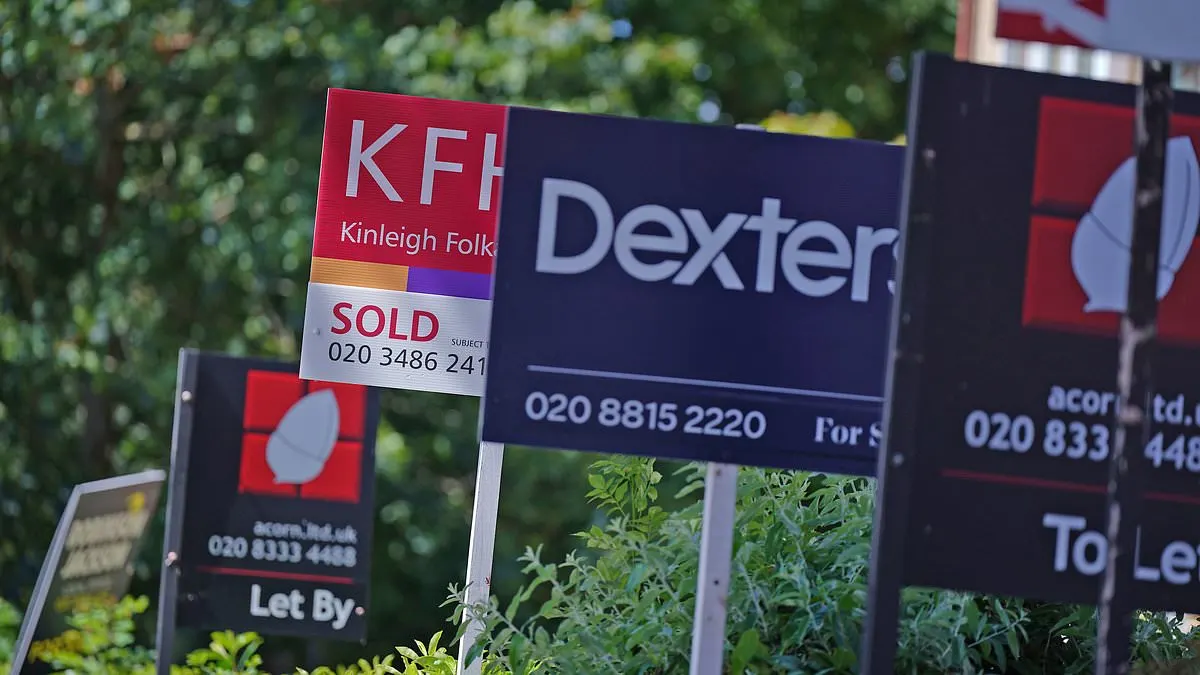
A Manchester tenant challenged a proposed £50 monthly rent increase, and a tribunal set the rent at £1,450 a month, £200 below the existing rent. The case has renewed debate over whether the Renters’ Rights Act gives tenants stronger protection against rises or amounts to rent control by the back door.
The tenant said the £1,650 rent agreed in August 2025 reflected an urgent need for housing, and cited dated furnishings, maintenance problems and nearby comparable flats advertised for £1,400 to £1,500. The landlord argued the property’s size, top-floor position and natural light justified £1,700. Under the new rules, tenants can challenge increases they consider above market rates; increases require two months’ written notice, are limited to once a year, and cannot be made in the first 12 months of a tenancy.
In short
- A Manchester tribunal set rent at £1,450 a month.
- That was £200 below the tenant’s existing rent.
- The ruling has fuelled debate over rent controls.
Steelman: both sides, in good faith
The strongest fair case each way — we don't pick a winner.
The case for
Supporters argue that tenants should be able to challenge rises above the rent a property would command in the open market, especially where an urgent need for housing may have led them to agree to an unusually high starting rent. A tribunal’s assessment can provide an independent check while the annual limit, notice period and first-year restriction give tenants more security and time to plan.
The case against
Critics argue that tribunal decisions which reset rent below the amount a tenant has been paying can feel like government setting prices, even when the stated test is market value. They may worry that uncertainty about future income makes it harder for landlords to plan or invest, and that landlords could respond by being more cautious about letting homes.