Entertainment news and discussion on TalkFuse.
Can the Upcoming ‘Expanse’ Game Avoid ‘Mass Effect’s’ Biggest Mistake?
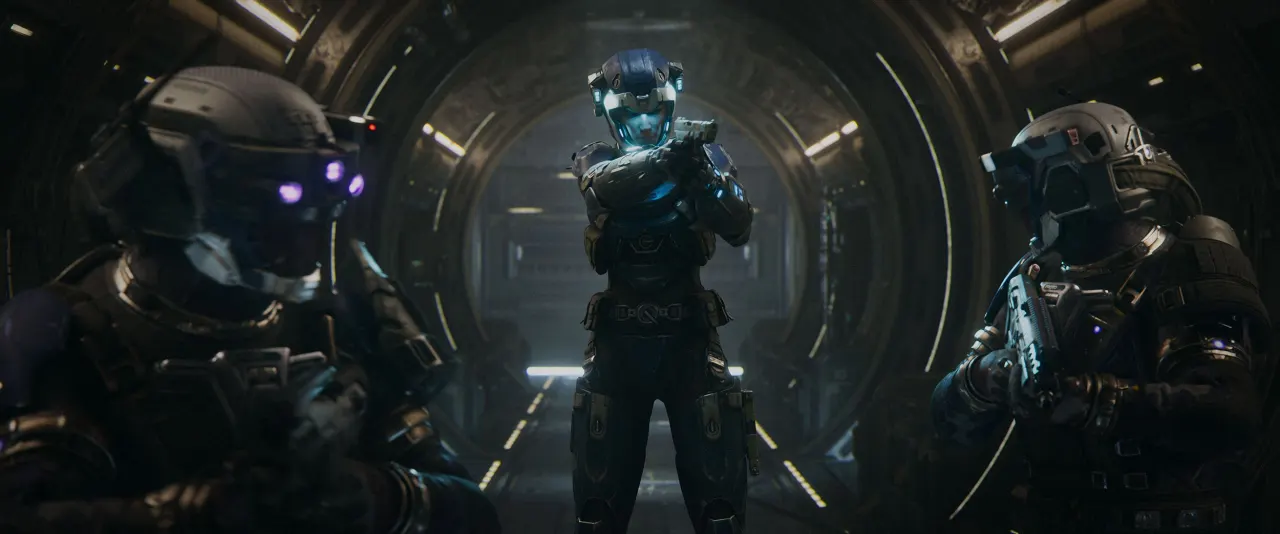
Owlcat Games has revealed further details on The Expanse: Osiris Reborn, a third-person shooter and role-playing game due for release in spring 2027 and set in the same period as the first two books of the acclaimed sci-fi series. The developer, best known for top-down RPGs such as Pathfinder: Kingmaker and Warhammer 40,000: Rogue Trader, has drawn inevitable comparisons to Mass Effect thanks to its branching dialogue, choice-driven cutscenes and found-family crew of characters, raising questions about whether it can deliver consequences that feel meaningful rather than cosmetic.
Players take on the role of a spaceship captain navigating relations between three rival factions—Earth, Mars and the Belters—with Owlcat warning that staying on good terms with everyone will require careful decision-making. The studio uses an internal system called Etudes to track player choices, ranging from small cosmetic tweaks to changes that unlock content, kill off characters or alter the ending. A beta released in April drew praise for its combat and visuals but criticism over its story and voice acting, including the absence of the series' distinctive "Belter creole" dialect; Owlcat says it is addressing feedback, including recasting at least one voice actor, ahead of the full launch.
In short
- Owlcat's Expanse RPG "Osiris Reborn" launches spring 2027, invites Mass Effect comparisons.
- Players balance relations between Earth, Mars and Belter factions.
- April beta praised for combat/visuals but criticised for story and voice acting.
Steelman: both sides, in good faith
The strongest fair case each way — we don't pick a winner.
The case for
Owlcat has a proven track record in choice-driven RPGs and has specifically engineered the Etudes system to implement consequential branching, whilst the three-faction dynamic creates genuine conflicts of interest that discourage universal appeasement. The studio's demonstrated responsiveness to beta feedback—including voice casting changes—and the source material's emphasis on moral complexity suggest serious intent to deliver meaningful consequences rather than mere cosmetics.
The case against
Despite Owlcat's reputation, beta feedback exposed troubling weaknesses in precisely the narrative elements that carry choice significance. The games industry has repeatedly promised consequential choice systems that ultimately prove cosmetic, and a developer's assurance that maintaining all factions requires 'careful decision-making' is not the same as the game actually enforcing meaningful trade-offs; players may simply discover optimal dialogue paths that satisfy everyone regardless of design intent.
Explained simply
The Expanse is a science-fiction story set in a future where people live across the Solar System. Earth, Mars and the Belters, who live and work in space, have competing interests, and tensions between them shape the setting.
Mass Effect is a well-known science-fiction game series where players’ choices can affect relationships, events and endings. The comparison matters because a branching story can offer choices that change the experience, or choices that mostly alter details without much effect.
In this game, players lead a crew while dealing with the three factions. Its choice-tracking system is intended to record decisions with effects ranging from cosmetic changes to shifts in available story content or the ending.