Culture news and discussion on TalkFuse.
Can you bring a birthday cake to a restaurant? Viral pizzeria dispute reveals the rules
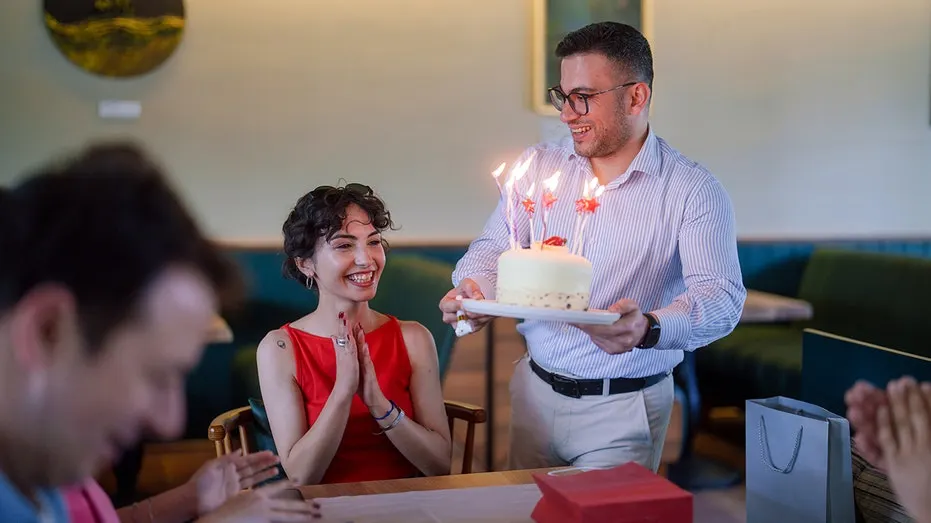
A viral confrontation at Joey Tomato's, a pizzeria in Point Pleasant Beach, New Jersey, has sparked wider debate about the etiquette and rules around bringing outside food, such as birthday cakes, into restaurants. The incident occurred when a family celebrating a child's fifth birthday brought a cake into the restaurant, prompting a dispute with staff that drew significant attention online and highlighted how unclear or unwritten many establishments' policies are on the matter.
Etiquette expert Diane Gottsman, owner of the Protocol School of Texas, weighed in on the story, advising diners to check with a restaurant in advance before bringing in a cake or other outside food, since policies vary widely between venues. Many restaurants permit customers to bring a cake for a small fee or in exchange for buying food and drink, while others prohibit outside food entirely, often for health, liability or business reasons; the guidance underscores that calling ahead avoids the kind of public dispute seen in the New Jersey case.
In short
- NJ pizzeria birthday cake dispute went viral, sparking debate on restaurant etiquette
- Etiquette expert says diners should check restaurant policy before bringing outside food
- Rules on outside cakes vary widely between restaurants, so calling ahead is advised
Steelman: both sides, in good faith
The strongest fair case each way — we don't pick a winner.
The case for
Allowing customers to bring birthday cakes respects reasonable customer autonomy and celebrates the special emotional significance of occasions. Many successful restaurants already permit this practice with a small fee or food purchase requirement, demonstrating it is operationally feasible. Cakes carry personal meaning that cannot be replicated by restaurant desserts, and accommodating them—particularly when they do not directly compete with the establishment's core business—represents basic hospitality that benefits both customers and the venue's reputation.
The case against
Restaurants have legitimate operational reasons to restrict outside food, including maintaining health and safety standards, protecting against liability, and preserving the business model on which they depend. Beverage and dessert sales represent crucial profit margins, and allowing external food undermines this. Clear policies, even restrictive ones, prevent confusion and protect staff from difficult interpersonal situations. Prohibition is not unfriendliness but sound business management that maintains consistency and protects the establishment's viability.
Explained simply
Restaurants set their own rules about food brought in from outside, including birthday cakes. Some allow a cake, sometimes for a fee or if guests order food and drinks, while others do not.
These policies can reflect food safety, responsibility for what is served and the restaurant’s own business arrangements. They are not always obvious to customers, so diners may be unsure what to expect.
Etiquette expert Diane Gottsman advises checking with a restaurant before bringing a cake. Asking in advance can clarify any rules and help avoid a disagreement during a celebration.
Culture Food Trending Weird & Viral World