Can you run regular Ethernet cables outside?
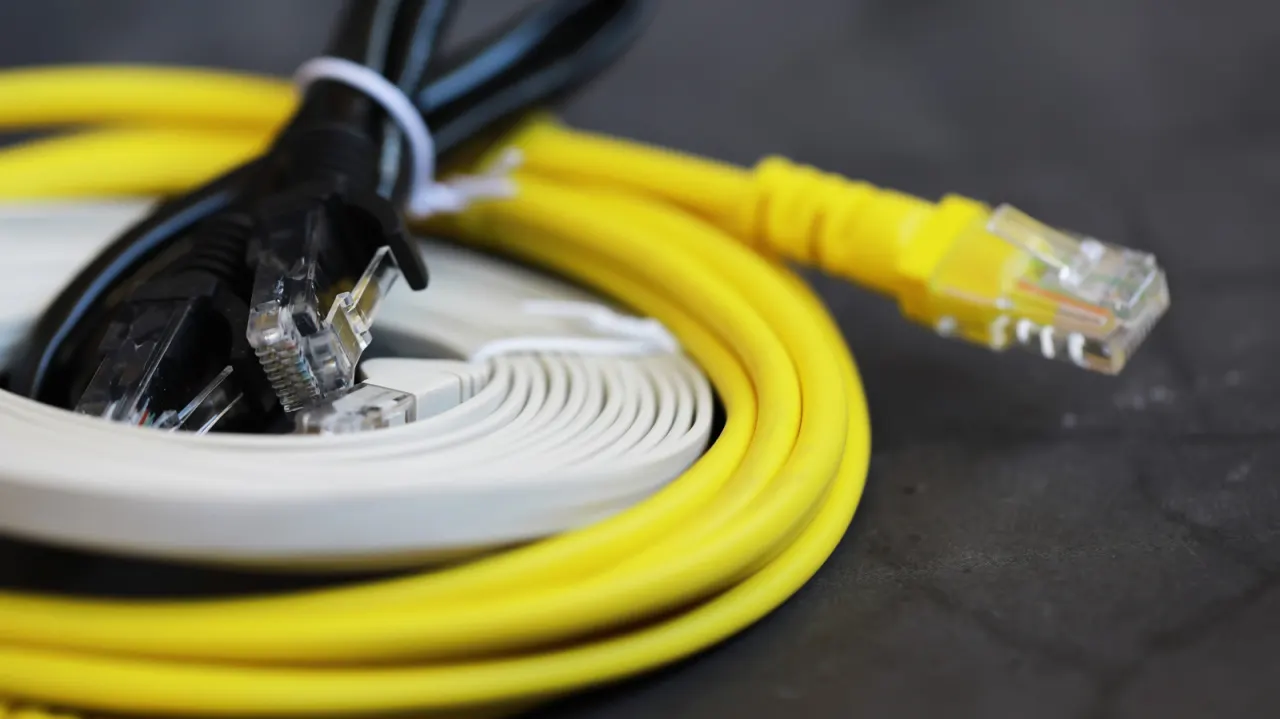
Standard indoor Ethernet cables can be run outside, but their PVC jackets can degrade under sunlight, rain and temperature changes, eventually exposing the wiring and disrupting the connection. The article advises using cables rated for outdoor conditions to reduce this risk and protect the installation.
For a short exterior run, use outdoor-rated cable; for a route underground, choose one marked for direct burial and check local rules on burial depth, conduit and permitted cable types. Look for markings such as “CMX”, “OSP”, “UV-resistant” or “outdoor”, secure cables against abrasion, and fit surge protection at both ends. Outdoor-rated cables may not meet indoor fire-safety requirements, so check their documentation before bringing them inside; outdoor-rated fibre is another option.
In short
- Indoor Ethernet jackets can crack and fail outdoors.
- Use outdoor-rated cable, with direct burial rating for underground runs.
- Check local rules, cable markings and indoor fire-safety requirements.
Explained simply
Ethernet cables carry data between devices, such as a computer and a router. The plastic jacket around a standard indoor cable is designed for indoor conditions, where it is sheltered from sunlight and weather.
Outside, sunlight, rain and changing temperatures can wear down that jacket over time, leaving the wires exposed and potentially affecting the connection. Cables made for outdoor use have jackets designed to withstand these conditions; cables buried in the ground may need a separate direct-burial rating.
The right choice also depends on the route and local rules, which can set requirements for burial and installation. Outdoor cables may have different fire-safety ratings from indoor cables, so their documentation matters where they enter a building.