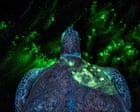
Can you spot the poacher’s handprint? Earth Photo award winners – in pictures
The Guardian gallery showcases the winning and shortlisted images from the Earth Photo 2026 awards, highlighting environmental change, conservation and Indigenous knowledge through documentary photography. The collection matters because it links visually striking images to urgent global issues including wildlife crime, climate damage, pollution, food security and land rights, while also publicising the London exhibition where the works are being shown.
– The overall Earth Photo 2026 award went to Britta Jaschinski for work on the illegal wildlife trade, including images showing forensic methods used to detect fingerprints on trafficked animal products such as an elephant tusk and a green sea turtle; the article notes the poaching industry is worth about $23bn (£17bn).
– Filbert Minja won the David Wolf Kaye Future Potential award for documenting Indigenous herbalists in Tanzania’s Kilimanjaro and Arusha regions, presenting herbal medicine as a practical, inherited form of knowledge tied to land and daily life.
– Natalya Saprunova received the New Scientist Editors award for a long-term project on permafrost thaw and coastal erosion in Canada’s Inuvialuit territories, including images linked to disrupted bird migration, stranded ringed seals and mercury contamination affecting marine ecosystems and people who depend on them.
– Payal Kakkar won the Royal Geographical Society Climate of Change award for a series on the Khairwar Indigenous community’s resistance to coal mining and land loss in Singrauli, India, using mining waste within the printing process to reflect industrial contamination.
– The shortlisted and award-winning works are on display at the Royal Geographical Society in London until 24 July, with the Summit Photo interactive event running from 17 to 19 July.
- Earth Photo winners focus on climate, wildlife crime and Indigenous communities
- Top prize highlights forensic efforts against illegal poaching
- Award-winning images are on show in London until 24 July