Technology news and discussion on TalkFuse.
Canada PM Carney touts Philippine trade deal on Asia tour
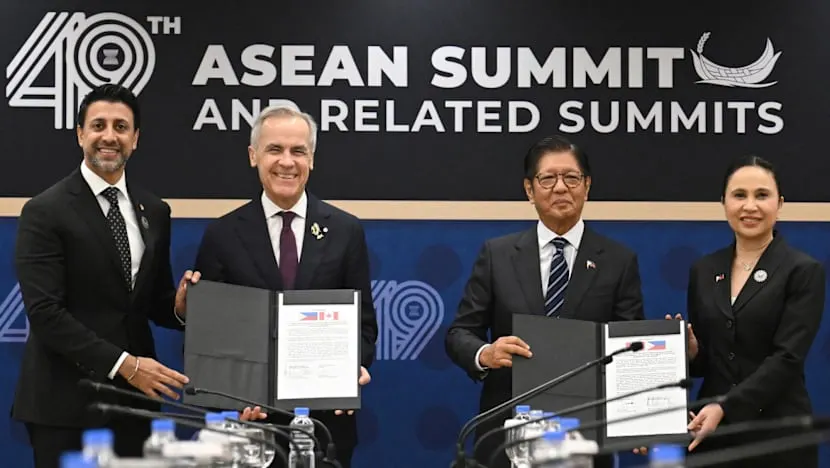
Canada and the Philippines have concluded negotiations for a broad free-trade agreement, Prime Minister Mark Carney said during a visit to Manila. The pact is part of Canada’s effort to diversify its trading relationships as tariffs and tensions with the United States disrupt a longstanding economic partnership.
Carney said the agreement could be signed in about six months and would remove tariffs on more than 90 per cent of tariff lines, covering sectors from agriculture and aerospace to artificial intelligence. Trade between the two countries was about US$2.4 billion in 2025, and Carney expects it to triple over the next decade; Manila said it expects the pact to be completed within a year. Canada is also pursuing a trade agreement with the 11-member ASEAN bloc, whose two-way trade with Canada exceeded US$50 billion a year.
In short
- Canada and the Philippines have concluded free-trade negotiations.
- The pact would remove tariffs on over 90 per cent of tariff lines.
- Carney expects bilateral trade to triple within a decade.
Steelman: both sides, in good faith
The strongest fair case each way — we don't pick a winner.
The case for
A broad trade agreement could help Canadian exporters reach faster-growing Asian markets and reduce the country’s exposure to disruptions in its US trade relationship. Lower tariffs may expand opportunities across sectors and deepen ties with the Philippines, while supporting the wider effort to build trade with ASEAN.
The case against
The projected gains are uncertain: current bilateral trade is modest, and expectations that it will triple depend on businesses actually finding new customers and supply chains. A broad pact could also expose some domestic industries to stronger competition, so its value depends on the final terms and whether the benefits are widely shared.
AI Americas Asia Government Politics Technology World