World news and discussion on TalkFuse.
Canada’s euthanasia crisis: As family of grandma say she died against her will, TOM LEONARD exposes top doctors who want NEWBORN babies to be next… and expert who admits you can now die for ‘basically any reason’
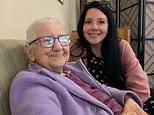
The article examines allegations from the family of Brigitte Stegemann, an 83-year-old cancer patient who died through Canada’s Medical Assistance in Dying (MAiD) programme. Her granddaughter says Stegemann opposed euthanasia on religious and personal grounds and may not have been mentally capable of consenting, while accusing care-home staff of advancing the process despite the family’s objections; neither the care home nor MAiD officials has publicly commented.
Canada’s MAiD system permits eligible adults with a grievous and irremediable medical condition to request medical assistance in dying, subject to consent and other safeguards. The article argues that the programme has expanded substantially since its introduction in 2016, claiming that about one in ten Canadian deaths now involve MAiD and reporting approximately 765,475 deaths through the programme by late 2024; it also raises concerns about proposals and arguments that could extend eligibility further, including to newborn babies.
In short
- Family alleges an elderly cancer patient died without genuine consent.
- Canada’s assisted-dying programme now accounts for roughly one in ten deaths.
- Critics fear eligibility could expand beyond its original limits.
Steelman: both sides, in good faith
The strongest fair case each way — we don't pick a winner.
The case for
Supporters of Canada’s MAiD system argue that competent adults facing grievous, irremediable suffering should have the right to choose a medically supervised death, with safeguards intended to protect consent and prevent abuse. They may see the family’s allegations as a reason to investigate whether those safeguards were followed, rather than proof that the system itself is wrong, and argue that debate about exceptional cases should not erase patients’ autonomy.
The case against
Critics argue that assisted dying can put vulnerable people at risk if consent, decision-making capacity or freedom from pressure are not reliably established, and that the family’s account warrants a transparent investigation. They also contend that expanding eligibility can weaken the boundary between relieving unbearable suffering and treating death as a response to inadequate care or other hardship, so safeguards and limits deserve close scrutiny.
Explained simply
Canada introduced Medical Assistance in Dying (MAiD) in 2016. It allows eligible adults with a serious, incurable medical condition to request medical help to end their lives, with safeguards that include consent. The programme has grown and is now part of wider debate about how eligibility should be defined and protected.
The story concerns Brigitte Stegemann, an 83-year-old cancer patient who died through MAiD. Her granddaughter says Stegemann opposed euthanasia and may not have been able to give informed consent; the family also alleges that care-home staff helped advance the process despite their objections. Those claims have not been publicly addressed by the care home or MAiD officials.
The debate matters because it involves questions of personal choice, consent and safeguards for people who may be vulnerable. The article also discusses proposals and arguments about extending eligibility, including to newborn babies, a subject that has prompted concern about where the system’s limits should lie.