World news and discussion on TalkFuse.
Canada’s PM takes swipe at Trump as he tells EU ‘we are not fair-weather allies, we do not pursue zero-sum deals’
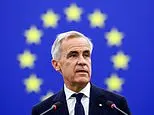
Canadian Prime Minister Mark Carney addressed the European Parliament in Strasbourg, reaffirming Canada's commitment to strengthening ties with the EU despite US President Donald Trump's opposition to the move. The European Commission has proposed making Canada its first "associate member", a new status that would deepen integration across trade, defence, critical minerals, artificial intelligence, energy, space, research and financial services. This represents a significant strategic shift for Canada, driven by mounting pressure from American tariffs and threats against Ottawa.
Carney declared that Canada and Europe "are not fair-weather allies" and "do not pursue zero-sum deals", emphasising shared values and mutual resilience. Trump has condemned the partnership as a "hostile act" and threatened to impose "very serious tariffs" on both Canada and Europe, though Carney responded by framing the alliance as beneficial to all parties, including the United States. For generations, Canada's economy centred on US integration, but recent American tariffs and threats have prompted Ottawa to reduce dependence on Washington and forge stronger European alliances.
In short
- Canadian PM proposes deeper EU integration to reduce reliance on United States
- Trump threatens tariffs in response; Carney dismisses threats as counterproductive
- Canada seeks resilience through diversified international partnerships and economic sovereignty
Steelman: both sides, in good faith
The strongest fair case each way — we don't pick a winner.
The case for
Deeper ties with the EU could give Canada more reliable trade and security partners as US tariffs and threats make dependence on Washington riskier. Supporters can argue that cooperation across defence, energy, research and critical minerals strengthens Canada’s resilience while creating shared benefits for Europe and, potentially, the United States.
The case against
Closer integration with the EU could complicate Canada’s relationship with its largest economic partner, especially if Washington responds with tariffs that harm workers and businesses on both sides of the border. Critics may also question whether a broad new partnership will deliver enough practical benefit to justify the costs, obligations and possible overlap with existing alliances.
Explained simply
Canada and the European Union already work together on trade and other issues, while Canada has long been closely tied to the United States through geography and commerce. The EU is considering a new “associate member” status for Canada, which could bring closer cooperation in areas such as defence, energy and research.
The key players are Canadian Prime Minister Mark Carney, the EU’s institutions and US President Donald Trump. Carney’s government is seeking broader partnerships as US tariffs and threats put pressure on Canada’s economic ties with its neighbour.
The proposed relationship matters because it could reshape how Canada works with Europe and the United States. Any closer EU-Canada ties could affect trade and cooperation across the Atlantic.
Americas Europe Government Politics World