World news and discussion on TalkFuse.
Canada’s Supreme Court upholds Quebec’s restrictions on religious symbols in public service
Developing story first seen 5 hours ago
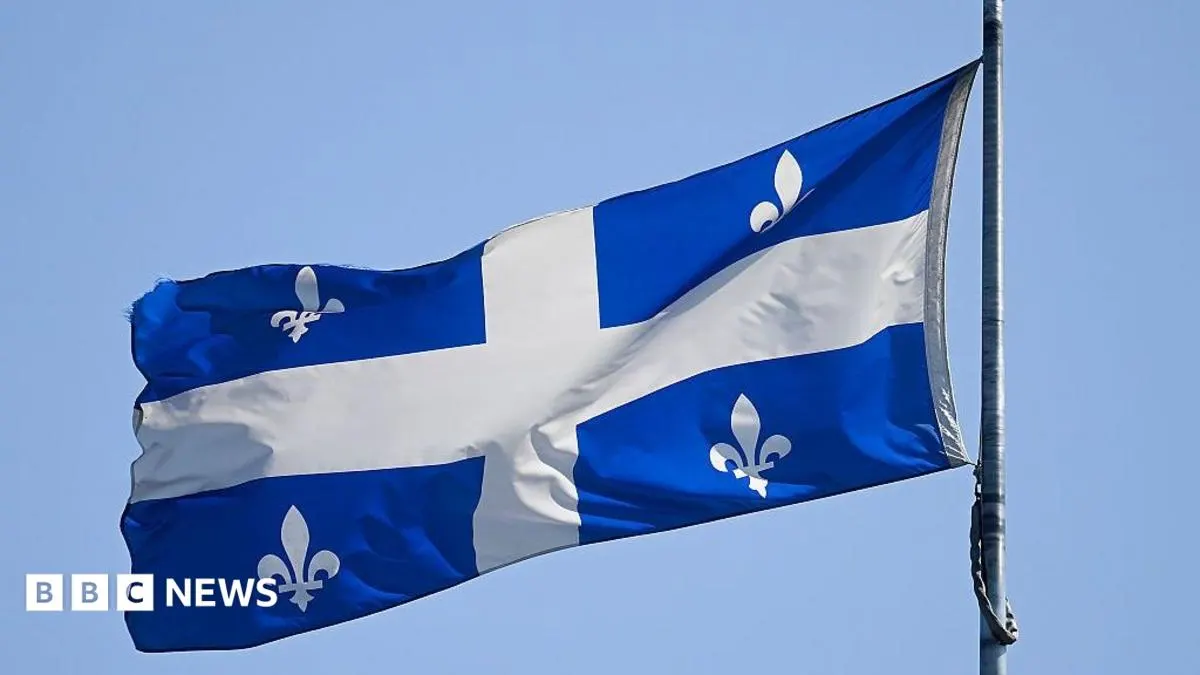
The Supreme Court of Canada has largely upheld Quebec’s Bill 21, but ruled that its ban on elected officials wearing religious face coverings infringes their democratic rights. The decision also confirms that courts can assess a law’s consistency with the Canadian Charter even when Quebec invokes the notwithstanding clause, though the court declined to make that assessment in this case.
Passed in 2019, Bill 21 restricts public sector workers from wearing religious symbols, including the hijab and cross. Muslim, Sikh and Catholic teachers and civil liberties groups challenged it, arguing it violates fundamental rights and excludes Muslim women from public life; Quebec says it protects state secularism. Three of the seven justices dissented on parts of the ruling, while Prime Minister Mark Carney said his government would study its implications.
- Sources
- 4
- Outlets
- 4
- Left · Centre · Right
- 3 · 1 · 0
In short
- Quebec’s religious-symbol restrictions largely stand.
- The court found a rights infringement for elected officials.
- Three justices dissented on parts of the ruling.
How this story developed
- 2 hours ago Prime Minister Mark Carney said his government would study the ruling’s implications, while the decision kept the restrictions on public sector workers in force and included dissenting justices who said Bill 21 breaches religious freedom, expression and equality rights.
- 3 hours ago The court added that the ban on elected officials wearing religious face coverings infringes their democratic rights, and said courts may review Charter compliance even when the notwithstanding clause is invoked.
- 4 hours ago Canada’s Supreme Court largely upheld Quebec’s Bill 21, which bars many public sector workers from wearing religious symbols, despite challenges over its effects on fundamental rights and Muslim women.
- The Guardian Canada’s top court upholds Quebec law barring public sector workers from wearing religious symbols
- New York Times Canada’s Top Court Lets Quebec Use Controversial Measure for Secularism Law
- Middle East Eye Canada's Supreme Court upholds law banning hijabs in Quebec public sector
- BBC World Canada’s Supreme Court upholds Quebec’s restrictions on religious symbols in public service
Where outlets differ
Left-leaning outlets 3
- Canada’s top court upholds Quebec law barring public sector workers from wearing religious symbolsThe Guardian
- Canada’s Top Court Lets Quebec Use Controversial Measure for Secularism LawNew York Times
- Canada's Supreme Court upholds law banning hijabs in Quebec public sectorMiddle East Eye
Only here: sector, barring, workers, wearing, lets
Centre outlets 1
- Canada’s Supreme Court upholds Quebec’s restrictions on religious symbols in public serviceBBC World
Only here: restrictions, service
Every side used: canada, court, upholds, quebec, public, religious
Headline columns compared word for word; nothing in them is AI-written.
Steelman: both sides, in good faith
The strongest fair case each way — we don't pick a winner.
The case for
Supporters argue that public institutions should be visibly neutral on religion, and that restricting religious symbols for certain public-facing officials helps sustain confidence that the state treats people of all faiths equally. They also maintain that Quebec’s elected legislature has authority to define secularism for the province, subject to the constitutional framework.
The case against
Opponents argue that neutrality should require the state to treat people fairly, not require individuals to conceal their religious beliefs as a condition of public employment. They say the restrictions burden freedom of religion and expression, with particular effects on Muslim women, and that constitutional rights need meaningful protection even when a government invokes the notwithstanding clause.
Explained simply
Quebec is a province in eastern Canada with its own elected government and a predominantly French-speaking population. In 2019, that government passed Bill 21, a law requiring certain public sector workers, including teachers and police officers, to avoid wearing visible religious symbols while doing their jobs.
The law is linked to Quebec’s approach to secularism, the idea that government institutions should be separate from religion. Supporters say it helps keep public services religiously neutral; opponents, including teachers and civil liberties groups, say it limits freedom of religion and expression and can affect some groups more than others. The debate also involves Canada’s Charter of Rights and Freedoms, which sets out rights that governments must respect, and a constitutional power known as the notwithstanding clause, which can allow a law to operate despite some Charter protections.
Coverage · 4 sources
Bias meters
From 4 rated sources.
- BBC WorldCentreCanada’s Supreme Court upholds Quebec’s restrictions on religious symbols in public service
- The GuardianLeftCanada’s top court upholds Quebec law barring public sector workers from wearing religious symbols
- New York TimesLeftCanada’s Top Court Lets Quebec Use Controversial Measure for Secularism Law
- Middle East EyeLeftCanada's Supreme Court upholds law banning hijabs in Quebec public sector
Read the full article at the source →
Originally published by BBC World as “Canada’s top court largely upholds Quebec ban on religious symbols for public servants”.