Entertainment news and discussion on TalkFuse.
Capcom dev got his dream Zelda game by threatening Shigeru Miyamoto: “If Nintendo’s not up for it, we’ll release an identical game with different characters and just call it something else”
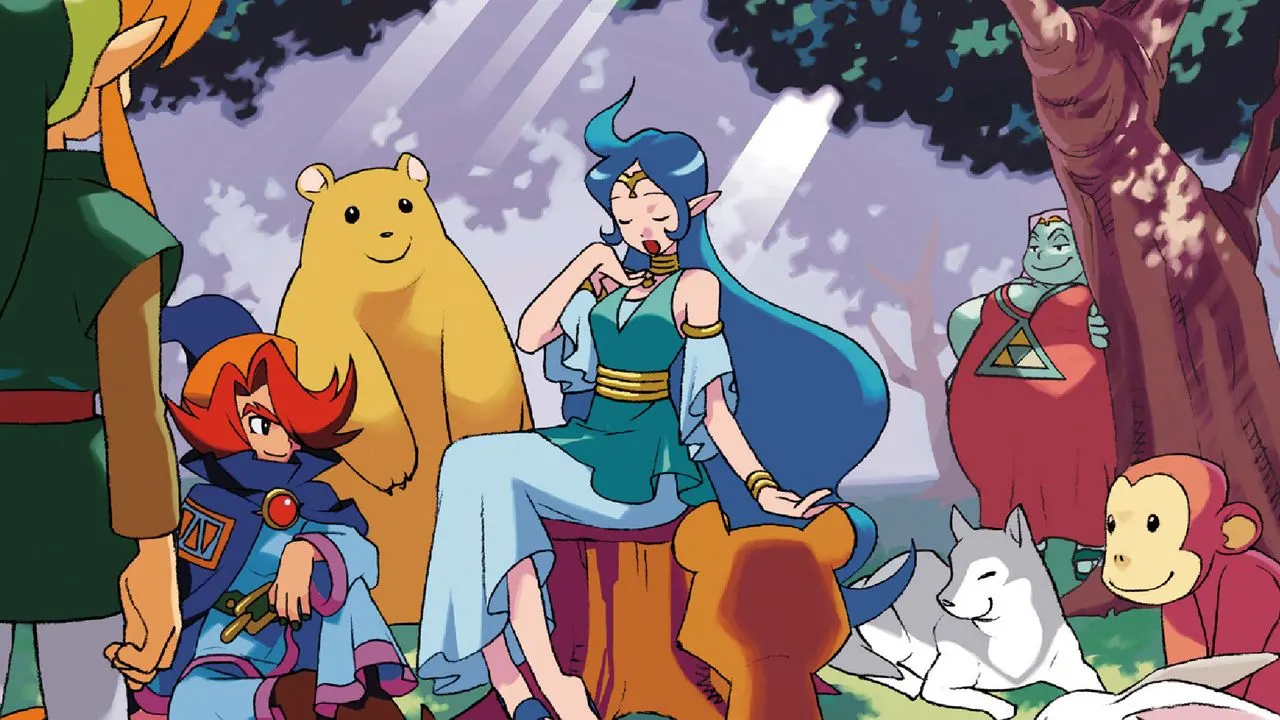
A veteran Capcom developer has revealed he secured the chance to work on a Legend of Zelda game by effectively threatening Nintendo's Shigeru Miyamoto, warning that Capcom would simply create its own near-identical clone with different characters if Nintendo refused to collaborate. The anecdote sheds light on the unusual origins of Capcom's involvement in the Zelda series, showing how corporate rivalry and blunt negotiating tactics from a determined fan-developer helped bring about an official partnership rather than an unlicensed imitation.
The developer's ultimatum reportedly persuaded Miyamoto and Nintendo to grant Capcom's Flagship studio the opportunity to co-develop entries in the Zelda franchise, rather than risk a rival product flooding the market. This arrangement paved the way for titles such as the Game Boy Color Oracle games and The Minish Cap, illustrating how personal passion projects and hardball tactics within the games industry can occasionally reshape which studios get to work on beloved franchises.
In short
- A Capcom developer said he threatened Miyamoto to get a Zelda project
- He warned Nintendo he'd release a clone game otherwise
- This led to Capcom's Flagship studio co-developing official Zelda titles
Steelman: both sides, in good faith
The strongest fair case each way — we don't pick a winner.
The case for
The developer's bold negotiating tactic achieved a genuinely positive outcome: rather than face an unlicensed knock-off, Nintendo gained an official partnership that produced critically acclaimed games including the Oracle series and The Minish Cap. The threat wasn't made out of malice but stemmed from authentic passion for the franchise and confidence in Capcom's ability to honour it. Sometimes in business, unconventional approaches are necessary to persuade established players to take risks on new partnerships, and the developer's willingness to stake his reputation and proposal ultimately benefited both parties and players.
The case against
Threatening to create an unlicensed clone of another company's intellectual property is fundamentally unethical, regardless of the eventual outcome. This approach amounts to coercive negotiation that disrespects Nintendo's legal right to control their own franchise and sets a troubling precedent that intimidation is an acceptable business tactic. Professional relationships should rest on mutual respect and proper channels rather than ultimatums; the fact that the outcome happened to be positive doesn't justify the method, which undermines corporate governance and could encourage similar threats from other developers.
Explained simply
The Legend of Zelda is a long-running Nintendo adventure game series, with Shigeru Miyamoto among its best-known creators. Capcom is a separate Japanese games company; its Flagship studio later worked with Nintendo on official Zelda games.
The partnership included the Game Boy Color titles Oracle of Ages and Oracle of Seasons, followed by The Minish Cap. It is an example of how games based on a well-known series can be made through collaboration between companies, with Nintendo retaining control of Zelda.