Culture news and discussion on TalkFuse.
Capcom expects 95% of its game sales to be digital in the next year, and it’s pretty much already there thanks largely to PC gaming
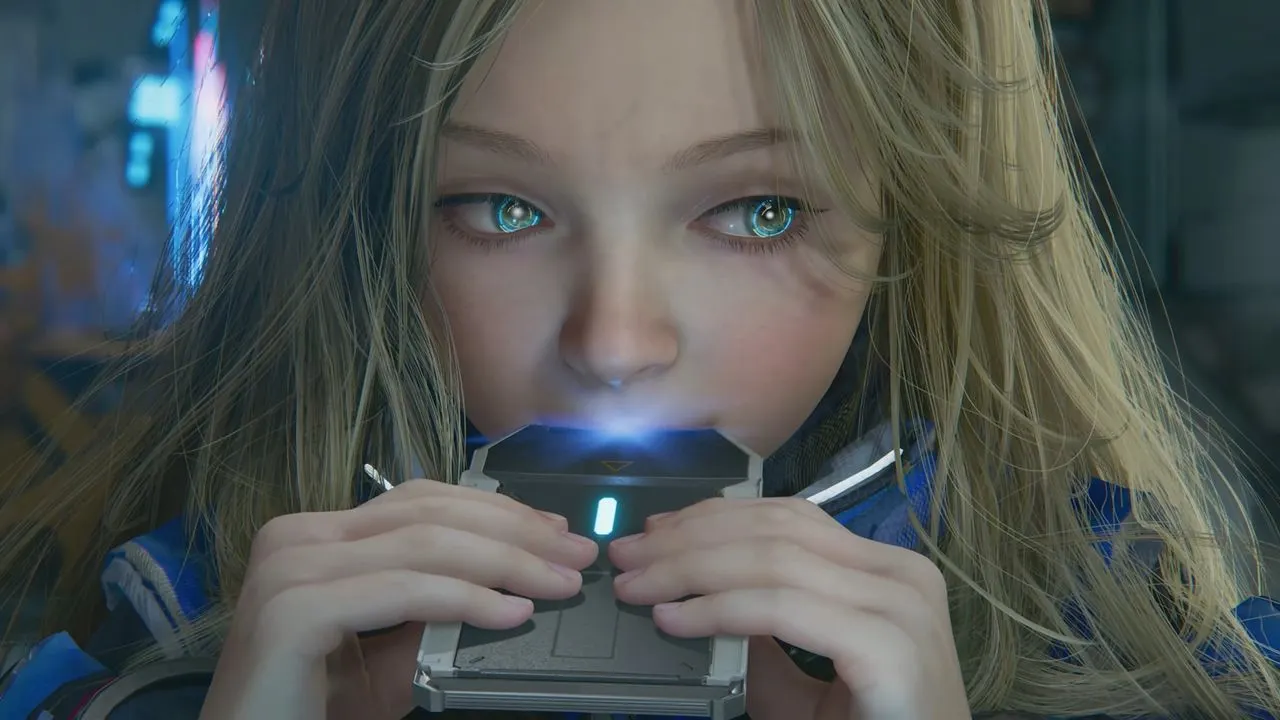
Capcom says it expects digital sales to account for around 95% of its game sales within the next year, according to recent financial disclosures. The company is already close to that figure, with digital downloads – particularly on PC – having come to dominate its revenue as physical retail continues to decline across the games industry.
Capcom's shift reflects a broader industry trend towards digital distribution, with PC gaming platforms such as Steam playing a major role in driving download-based purchases ahead of console digital storefronts. The near-total move away from physical media underlines how manufacturing, shipping and retail costs are becoming less central to how major publishers plan their business, even as some players and collectors continue to favour boxed copies.
In short
- Capcom expects 95% of game sales to be digital within a year
- PC gaming, especially Steam, is the main driver
- Reflects wider industry shift away from physical game sales
Explained simply
Capcom is one of the world's largest video game publishers, known for franchises like Resident Evil and Street Fighter. The company has revealed that it now sells nearly all of its games as digital downloads rather than as physical copies in shops, a shift that reflects how the games industry has transformed over the past decade.
The move away from physical media is driven largely by PC gaming, where platforms like Steam have made downloading games convenient and reliable. Console makers like PlayStation and Xbox have also built their own digital storefronts, meaning players can buy and install games instantly rather than collecting boxed copies from retailers.
This trend matters because it fundamentally changes how game publishers run their business. Without needing to manufacture discs, arrange shipping, and maintain shelf space in shops, companies can reduce costs and keep more revenue from each sale. It also means the traditional high street game shop has become less relevant to how major studios reach their audiences.
Art Culture Entertainment Gaming