Entertainment news and discussion on TalkFuse.
Capcom is sticking with Monster Hunter Wilds as it wants to fix the game until it closes the 20 million sales gap to Monster Hunter World
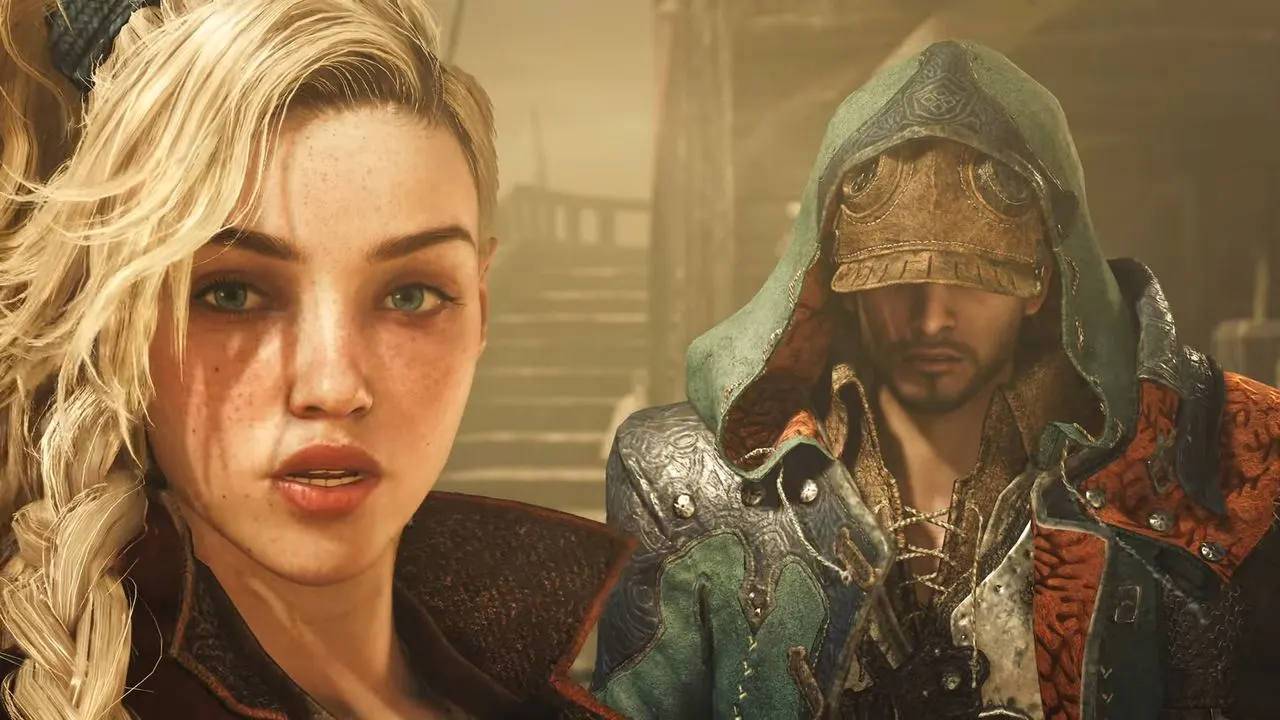
Capcom has confirmed it will continue supporting Monster Hunter Wilds with post-launch content and fixes rather than moving on to a new project, as it aims to close the substantial sales gap between Wilds and its predecessor, Monster Hunter World. Despite a strong launch, Wilds has faced criticism over technical issues and performance problems on PC, and Capcom sees sustained investment in the game as key to matching World's long-term commercial success rather than treating the shortfall as a reason to abandon it.
Monster Hunter World has sold more than 20 million copies since its 2018 release, a benchmark Wilds has yet to reach despite becoming Capcom's fastest-selling game at launch. Capcom executives have indicated the company intends to keep updating Wilds with improvements and new content over an extended period, following the studio's established pattern of turning Monster Hunter titles into long-running live-service-style successes through years of post-launch support.
In short
- Capcom will keep updating Monster Hunter Wilds rather than move on
- Goal is closing a 20 million sales gap with Monster Hunter World
- Wilds launched fast but trails World's long-term total sales
Steelman: both sides, in good faith
The strongest fair case each way — we don't pick a winner.
The case for
Capcom's decision to sustain Monster Hunter Wilds reflects sound live-service strategy, given that Monster Hunter World achieved its 20-million-copy milestone through years of post-launch support rather than launch momentum alone. The game's fastest-selling launch demonstrates genuine market appetite, and technical problems are remediable through ongoing updates; abandoning the project would waste Capcom's investment and disappoint committed players. The proven model warrants patience and extended development commitment.
The case against
Allocating continued resources to Monster Hunter Wilds rather than pursuing new titles represents inefficient strategy given its 20-million-copy shortfall and technical issues at launch. If a game with Capcom's backing cannot sustain player engagement independently, concentrated further investment may prove wasteful; the studio would likely achieve stronger returns by learning from Wilds's relative underperformance and directing talent toward fresher projects with untapped market potential. Strategic resource allocation sometimes requires moving forward rather than salvaging a struggling release.
Explained simply
Monster Hunter is Capcom’s action game series about tracking and fighting large creatures, often with other players. Monster Hunter World, released in 2018, became one of the series’ biggest successes, selling more than 20 million copies over time.
Monster Hunter Wilds is the next main game in the series. Capcom is the Japanese company that makes both games, and it has continued to support earlier Monster Hunter titles with updates and new content after launch.
The sales comparison matters because it shows the scale of World’s lasting success and the challenge facing Wilds. Wilds also drew criticism over technical performance, particularly on PC, so its updates may affect both players’ experience and the game’s longer-term sales.