Capcom says it wants Monster Hunter Wilds to outsell World ‘over the medium to long term,’ but it’ll need to muster a lot of sales momentum to get there
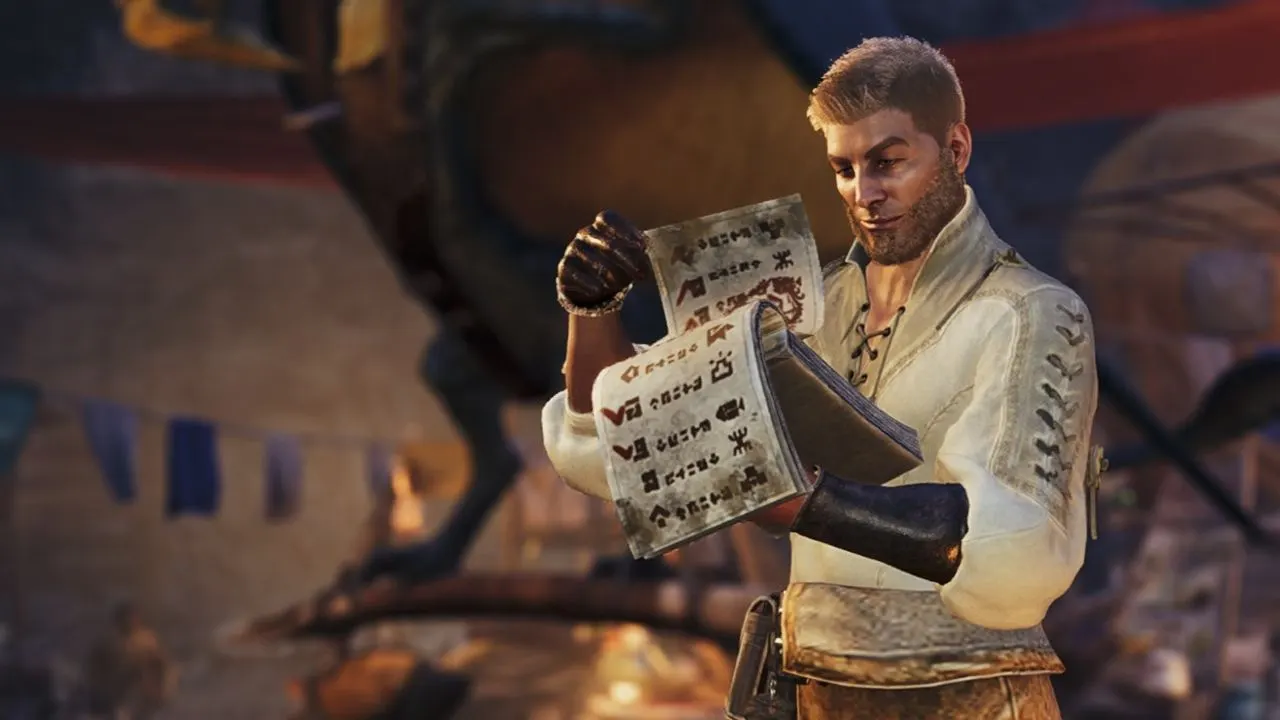
Monster Hunter Wilds enjoyed a record-breaking debut in February 2025, yet failed to sustain momentum as player criticism mounted over technical performance problems and design decisions. By year's end, earlier Monster Hunter titles were outselling the newest entry, marking a significant disappointment following its strong start. Capcom attributes the slowdown to these technical and creative missteps that alienated the player base during a critical period.
In response, the publisher has publicly committed to overtaking Monster Hunter: World—currently the franchise's bestseller with over 30 million copies sold—by continuing technical refinements, releasing the Ascendance expansion, and reducing the game's price. Early 2026 patches have already yielded modest sales improvements, and Capcom claims the expansion announcement and discount have generated renewed interest. However, bridging a widening sales gap against a mature title with years of post-launch support represents a substantial challenge that will require sustained player engagement over an extended period.
- Monster Hunter Wilds launched successfully in February 2025 but saw declining sales by mid-year, facing criticism for technical and creative issues
- Capcom has set an ambitious goal to eventually exceed Monster Hunter: World's 30+ million lifetime sales through performance improvements and new content
- Recent patches, the announced Ascendance expansion, and a price reduction have shown early sales recovery, though Wilds still faces a significant sales gap
New here? Start with this
Monster Hunter is Capcom’s series of action games about hunting large creatures, gathering materials and making stronger equipment. Monster Hunter: World brought the series to a much wider audience and remains its best-selling game, with more than 30 million copies sold.
Capcom is the Japanese company that makes and publishes the games. Monster Hunter Wilds is the latest main entry, while World is an earlier title that has continued to attract buyers after years of updates and discounts.
Sales matter to Capcom because they show whether a game can keep drawing players after its launch. Wilds’ early technical problems and design choices help explain why maintaining interest has been difficult, while updates and a planned expansion could affect how its sales develop over time.
Both sides, in good faith
The strongest fair case each way — we don't pick a winner.
The case for
Monster Hunter Wilds' record-breaking debut demonstrates the franchise's enduring appeal, and the underlying technical issues that damaged retention are being systematically addressed through patches that have already shown modest improvements. Given that Monster Hunter: World itself took years and substantial post-launch support to reach 30 million sales, Capcom's commitment to the Ascendance expansion, price reductions, and continued refinement provides a credible pathway to recovery, particularly if design improvements address player criticisms and rebuild goodwill over the extended timeline the publisher is explicitly planning for.
The case against
The critical window for sustained player engagement has already closed, with the game shedding momentum during its most crucial months, and the problem extends beyond technical polish—player criticism centres on design decisions that may be more fundamental to address than bug fixes alone. Winning back an alienated player base is notoriously difficult in the competitive games industry, and the fact that earlier Monster Hunter titles have begun outselling Wilds suggests the gap may continue widening rather than narrowing, particularly when World remains a polished, feature-complete product backed by years of proven post-launch support.
Art Business Companies Culture Entertainment Gaming Horror