Entertainment news and discussion on TalkFuse.
Capcom to Revive Dormant Franchises Riding Onimusha’s Record Launch Success
Developed over time first seen 2 months ago
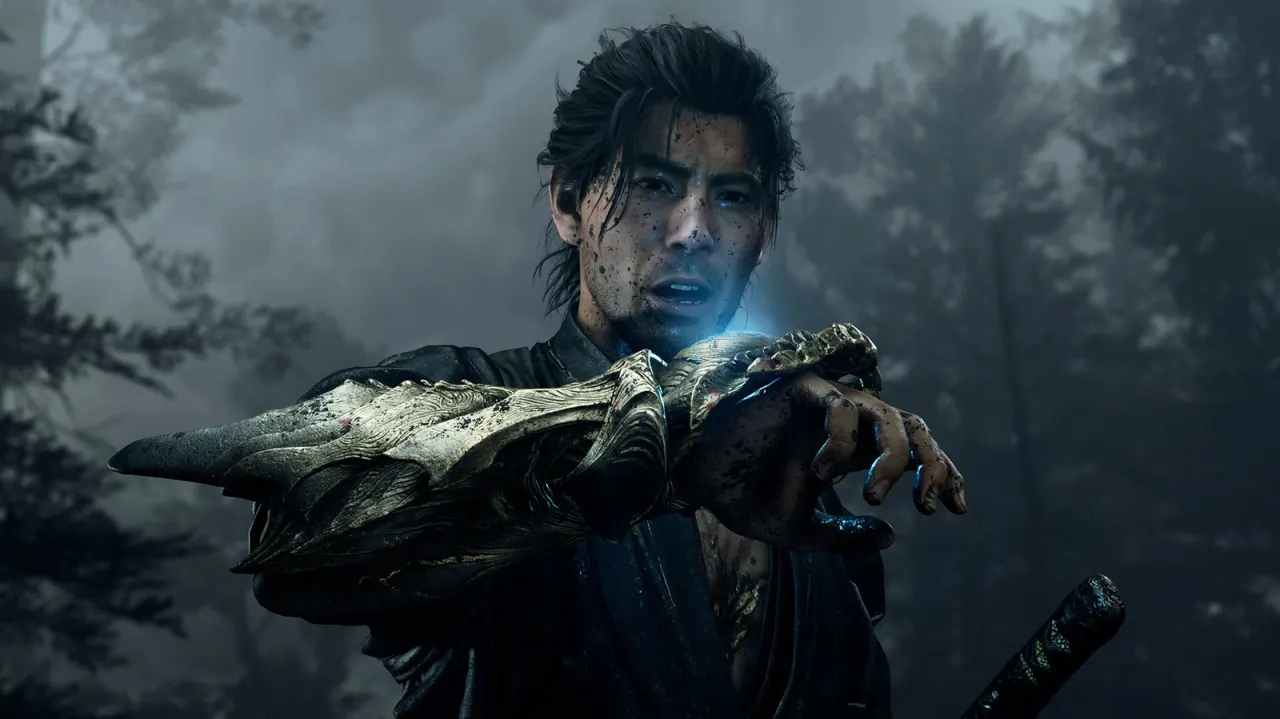
Onimusha: Way of the Sword unlocks New Game Plus after the first completion, allowing players to replay the game in the harder Carnage Mode. The mode offers an additional challenge for players pursuing the Platinum trophy, but Carnage cannot be lowered once selected.
Players retain some progress, although the article does not specify every retained item, while side-content progression, clothing, weapon and gauntlet levels, and Red Souls are reset or lost. Difficulty can generally only be chosen at the start, with Action and Story Modes switchable at Spirit Mirrors; players can increase the challenge further by avoiding items or removing enemy health and stamina bars.
- Sources
- 2
- Outlets
- 2
- Left · Centre · Right
- 0 · 0 · 0
In short
- New Game Plus unlocks after completing the game.
- It is played exclusively on the unforgiving Carnage difficulty.
- Upgrades, side progress and Red Souls are reset.
How this story developed
- 2 months ago Capcom has announced plans to resurrect additional dormant video game franchises following the commercial breakthrough of Onimusha: Way of the Sword, which surpassed one million units sold on its debut day.
- 2 months ago Onimusha: Way of the Sword unlocks New Game Plus after the first completion, allowing players to replay the game in the harder Carnage Mode. The mode offers an additional challenge for players pursuing the Platinum trophy, but Carnage cannot be lowered once selected.
Full account
Capcom has signalled it intends to dust off franchises that have lain dormant for years, buoyed by the runaway commercial success of its newest release, Onimusha: Way of the Sword. The samurai-themed action title reportedly sold more than a million copies on its very first day on sale, extending a run of strong performances for the publisher that has also included Resident Evil Requiem and the sci-fi title Pragmata. Onimusha: Way of the Sword marks the first all-new entry in the mainline series since Onimusha: Dawn of Dreams appeared back in 2006, making its rapid uptake among players especially notable for a franchise that had been shelved for nearly two decades.
In a statement accompanying the sales figures, Capcom said it planned to keep releasing major new titles annually while also working to bring back intellectual property that has not seen a fresh instalment in some time, framing the strategy as a way of getting more value out of its back catalogue. The publisher is already putting this approach into practice elsewhere, with a sequel to Okami and Mega Man: Dual Override both in development, suggesting the Onimusha revival fits a broader pattern rather than standing as an isolated case.
Beyond those already-announced projects, attention is turning to which other long-idle series might be next in line. Dino Crisis, untouched since 2003, has seen renewed interest from Capcom of late, including a compilation of the first two games released last year, a Steam port in February, and word that Dino Crisis 2 is due to join the PlayStation Plus Game Catalog before the year is out — moves widely read as groundwork for a possible new entry rather than mere nostalgia bait. Dead Rising, following a remake of the original game, and the long-shelved Lost Planet series, quiet since 2013's Lost Planet 3, have also been floated as candidates. Commentary has singled out Devil May Cry and Ace Attorney as the two most conspicuous gaps: the former has not had a mainline release since 2019 despite ranking as Capcom's fifth best-selling franchise with roughly 41 million copies sold, while the latter has gone a full decade without a new entry, having sold around 15 million copies to date.
Coverage of the story has taken noticeably different angles. Reporting on the business side has concentrated on Capcom's stated strategy and speculation about which franchises could benefit next, treating the sales milestone chiefly as evidence that reviving older IP is commercially sound. By contrast, other outlets covering the same launch, such as a companion piece explaining how New Game Plus and Carnage Mode difficulty work in Onimusha: Way of the Sword, focused purely on player-facing mechanics and offered no comment on Capcom's wider franchise strategy — a reminder that not all coverage generated by a big launch addresses the same underlying story.
Where outlets differ
From the full account, which is AI-written from the sources:
Source 1 addresses the actual headline topic — Capcom's stated plan to revive dormant franchises off the back of Onimusha's launch sales — and speculates on candidates such as Dino Crisis, Dead Rising, Lost Planet, Devil May Cry and Ace Attorney, with sales figures for the latter two.
Source 2 is unrelated in substance: it is a gameplay guide to New Game Plus and Carnage Mode mechanics in Onimusha: Way of the Sword and makes no mention of Capcom's franchise revival strategy, sales milestones, or any of the other IPs discussed elsewhere — it was included among the source material but does not actually corroborate or add to the headline story.
Explained simply
Onimusha: Way of the Sword is a newly released action game from Capcom, the Japanese studio behind long-running series such as Resident Evil and Street Fighter. It brings back Onimusha, a franchise about samurai battling demons, after the main series had been inactive for 17 years. Its strong opening sales have been read as a sign that older, shelved Capcom games could still find a large audience today.
Capcom regularly owns properties that have not had a new entry in years, often because earlier attempts underperformed or the studio prioritised other series. Reviving one of these "dormant" franchises is commercially risky, since it requires investment with no guarantee that today's players will respond the way they once did. Onimusha's performance is being treated as evidence that this risk can pay off.
This matters beyond one game because publishers watch each other's results when deciding which older titles are worth bringing back. A high-profile success can shift internal priorities at Capcom and influence how other games companies think about revisiting their own back catalogues.