‘Captain Canada’ firebrand unloads on Trump with profane one-liner as trade war escalates
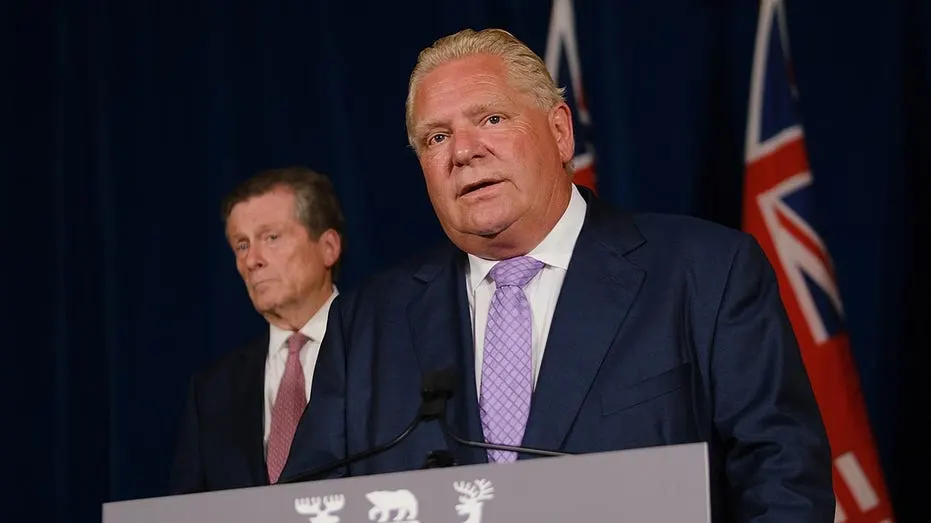
Ontario premier Doug Ford launched a profane public attack on President Donald Trump, telling a Toronto radio station on Monday that Trump "can kiss my a–", as the US-Canada trade dispute intensified sharply. The exchange follows Trump's threat to impose new 50% tariffs on Canadian autos, auto parts and steel, and comes after Trump mocked Ford by unfavourably comparing him to his late brother, disgraced former Toronto mayor Rob Ford. The row underscores a rapidly deteriorating relationship between the two countries, with Ford emerging as one of Ottawa's most vocal critics of Washington's trade policy under the nickname "Captain Canada".
The dispute is playing out on two fronts: new 50% US tariffs on certain Canadian goods took effect on 22 August, with Canadian retaliation planned for 8 September, while Trump has separately threatened to raise tariffs on Canadian autos and parts to 50% from 1 January 2027. Trump has accused Canada of imposing tariffs of 400% or more on US farmers and claimed the country cannot survive without America, singling out Prime Minister Mark Carney and Ford for criticism. He further inflamed tensions by proposing to rename Lake Ontario "Lake America". The friction traces back to late 2024, when Trump first threatened 25% tariffs on Canadian goods and suggested Canada could become the 51st US state.
- Doug Ford tells Trump to "kiss my a–" amid tariff row.
- New 50% US tariffs on Canadian goods began 22 August; Canada retaliates 8 September.
- Trump proposes renaming Lake Ontario "Lake America" amid rising tensions.
New here? Start with this
Canada and the United States are close trading partners, with goods such as cars, steel and farm products crossing the border. Tariffs are taxes on imported goods; raising them can increase costs for businesses and shoppers, and prompt the other country to respond.
Donald Trump is the US president, and Mark Carney is Canada’s prime minister. Doug Ford leads Ontario, a Canadian province with a large car industry, and has become a prominent critic of US trade policy.
The dispute matters because new US tariffs and planned Canadian retaliation could affect jobs, prices and businesses on both sides of the border. It is part of a wider strain in relations that began with Trump’s earlier tariff threats and remarks about Canada joining the United States.
Both sides, in good faith
The strongest fair case each way — we don't pick a winner.
The case for
Supporters of Trump's tariff approach argue that the US has long been disadvantaged in trade relationships with Canada, particularly regarding agricultural goods where Canadian tariffs reportedly exceed 400%. They contend that reciprocal tariffs are a legitimate corrective tool to create fairer terms, and that without strong pressure, Canada lacks incentive to renegotiate agreements that American workers view as unfair. From this perspective, tariffs serve to rebalance trade relationships that have favoured other nations at America's expense.
The case against
Critics contend that unilateral tariffs, whilst addressing specific grievances, inflict broader economic damage through retaliatory measures, higher consumer prices, and disrupted supply chains integrating both countries' industries. They argue that escalation through tariffs is counterproductive when negotiation could resolve disputes more effectively, and that threats and personal attacks undermine the bilateral relationship upon which both nations depend economically. In their view, measured diplomatic engagement would better serve both countries' genuine interests than confrontational posturing.