Captured Ukrainian-born soldiers tell BBC why they fought for Russia
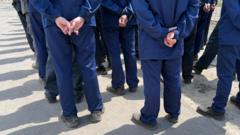
The BBC has interviewed Ukrainian-born soldiers held in a Ukrainian prisoner-of-war camp who chose to fight for Russia, revealing how years of occupation and Kremlin-controlled schooling and media have reshaped the identity of many in the east. The interviews, conducted under conditions ensuring the men were not coerced, offer a rare insight into what motivates people to take up arms against their own country, at a time when questions are growing over Russia's ability to keep recruiting fighters for the war.
Among those interviewed was Anton, from Donetsk, who was 10 when his region fell under Moscow-backed control and enlisted for Russia the moment he turned 18 in 2022. He said he considers himself Russian rather than Ukrainian, despite bearing a Ukrainian surname, and voiced support for Putin continuing the offensive in Donbas even as friends who signed up alongside him have been killed. Prisoners told the BBC that fewer people are now volunteering to fight despite large sign-up bonuses, suggesting Russia's reluctance to order mass mobilisation could soon come under strain. Ukrainian officials, including Petro Yatsenko of the PoW coordination headquarters, acknowledge that such captured citizens have a "blurred" national identity, even though Kyiv formally still regards them as Ukrainian and puts those caught fighting for Russia on trial for treason.
- BBC interviews Ukrainian-born PoWs who fought for Russia in the war
- Many, raised under occupation, say they identify as Russian, not Ukrainian
- Fewer new recruits are volunteering despite big Russian sign-up bonuses
New here? Start with this
Ukraine's eastern regions, including Donetsk, have been partly under Russian or Russian-backed control since 2014, well before the full-scale invasion in 2022. Many young men who grew up there were educated in Russian-run schools and consumed Russian state media, which has shaped how some of them see their own nationality and loyalties. This background helps explain why some Ukrainian-born men have ended up fighting on Russia's side rather than Ukraine's.
The story centres on interviews conducted by the BBC with prisoners of war held by Ukraine, men originally from Ukraine who enlisted to fight for Russia. It also touches on Russia's recruitment methods, which have relied heavily on cash incentives for volunteers rather than a full compulsory call-up, and on Ukraine's official position that anyone holding Ukrainian citizenship who fights for Russia can face prosecution for treason.
This matters because it exposes the complicated and contested question of identity in the war, where borders, upbringing and years of separation have left some people uncertain which country they belong to. It also feeds into wider questions about how sustainable Russia's approach to recruiting fighters is, since any strain on volunteer numbers could affect its ability to continue the war effort.