Politics news and discussion on TalkFuse.
Car-hating Khan’s fast one: When the speed limit on the A20 near Kent was sneakily cut from 70mph to 40mph, 100,000 speeding tickets were issued. But even when a campaign proved it was illegal, the mayor didn’t want to know
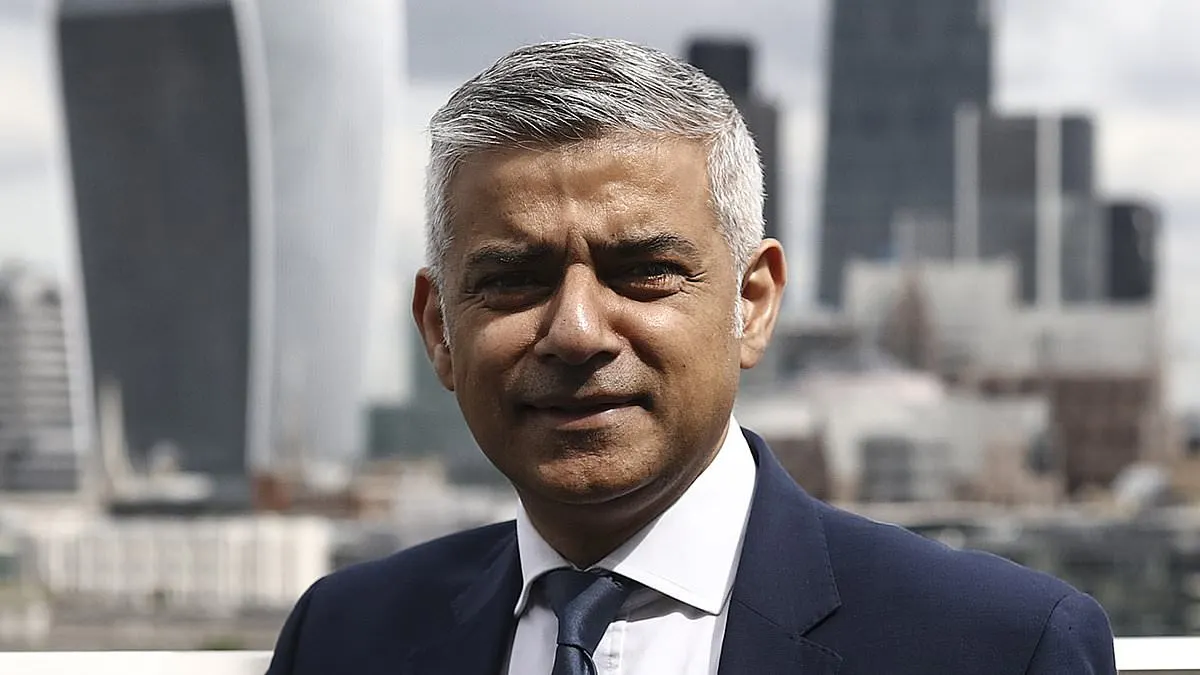
A temporary 40mph limit on the eastbound A20 near Sidcup led to speeding tickets for drivers who say they missed small warning signs. A judge later ruled the restriction unlawful because Transport for London had not properly authorised it, raising questions about the fairness of convictions and the response from the mayor and TfL.
The limit was reduced from 70mph in October 2023 after dangerous flooding, and cameras installed that year caught an estimated 100,000 drivers. Some received multiple penalties; one man was reportedly given 11 tickets and 33 points. TfL and Mayor Sadiq Khan have declined calls for an inquiry, refunds or the removal of convictions, citing road safety.
In short
- A court ruled the A20’s temporary 40mph limit unlawful.
- An estimated 100,000 drivers were caught by cameras.
- TfL and the mayor have refused calls to reverse penalties.
Steelman: both sides, in good faith
The strongest fair case each way — we don't pick a winner.
The case for
A temporary lower limit after dangerous flooding can be defended as a precaution to protect drivers and road workers, particularly where conditions may make the road unsafe at its usual speed. TfL and the mayor may also argue that speeding enforcement supports road safety, and that any remedy for convictions should follow established legal processes rather than be decided through a broad refund or amnesty.
The case against
Drivers were entitled to clear notice of a major change to a familiar 70mph road, and a restriction later ruled unlawful raises serious questions about whether penalties and convictions should stand. Refusing an inquiry or a process to review affected cases risks leaving people to bear substantial fines and points despite the authority’s failure to secure proper authorisation, undermining fairness and public trust.