Business news and discussion on TalkFuse.
Caribbean bears brunt of £43bn climate-fuelled damage to developing islands
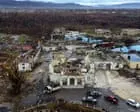
A study by development thinktank ODI Global has found that Caribbean nations suffered $53.2bn (£40bn) in economic damage from climate-fuelled disasters between 2000 and 2024, accounting for over 90% of the $57bn total losses recorded across 39 developing island nations worldwide. The findings, which also link the climate crisis to more than 190 deaths a year over the period, are seen as significant evidence for ongoing international discussions about climate reparations and compensation, particularly given that the crisis is largely driven by high-emitting countries outside the region.
The report, published on Wednesday, highlights Hurricane Melissa, which struck Jamaica in October 2025 with record winds of 185mph, attributing $9.7bn of the storm's $12.2bn damage bill directly to climate change – equivalent to nearly half of Jamaica's economy. It follows a similarly destructive Hurricane Beryl in 2024, leaving many without homes, power and basic services in consecutive years. Researchers warn that international climate financing is moving in the wrong direction as wealthy nations cut contributions, prompting Jamaica to pass new legislation in May to speed up disaster recovery efforts.
In short
- Caribbean suffered $53.2bn in climate-linked damage from 2000-2024
- Hurricane Melissa caused $9.7bn in climate-attributed losses in Jamaica alone
- Findings bolster case for climate reparations as wealthy nations cut funding
Steelman: both sides, in good faith
The strongest fair case each way — we don't pick a winner.
The case for
The Caribbean's suffering represents a fundamental injustice—these nations contribute negligibly to global emissions yet face devastating economic and human costs, whilst wealthy industrialised countries that built prosperity through fossil fuels bear minimal impacts. Climate reparations are morally justified and practically necessary; they acknowledge historical responsibility and provide island nations with resources to recover and build resilience against crises they did not cause. Without compensation from high-emitting countries, developing islands face economic ruin that violates basic principles of fairness.
The case against
Whilst Caribbean suffering is genuine, attributing specific disasters to climate change and demanding reparations conflates complex scientific causation with policy justice in problematic ways that risk being neither scientifically sound nor practically implementable. Rather than pursuing compensation frameworks entangled in attribution disputes and moral hazard, nations should prioritise resilience and adaptation funding that directly protects communities regardless of blame assignment. Additionally, all nations have benefited from industrialisation and continue emitting; a reparations focus risks obscuring the shared global responsibility needed for climate action from all countries, developed and developing alike.
Explained simply
Caribbean nations and other developing island states have suffered significant economic damage from climate-related disasters over the past two decades. Hurricanes, storm surge, flooding and other extreme weather events have destroyed homes, infrastructure and disrupted economies across the region.
The vast majority of carbon emissions that drive climate change come from wealthy, industrialised countries, not from the Caribbean. Developing island nations argue they should not bear the financial costs of a crisis they did not cause, and this disagreement over climate compensation has become central to international negotiations.
The financial costs to individual island nations can exceed half of their annual economic output in a single year. Over the past two decades, the cumulative damage has amounted to tens of billions of pounds, and developing island nations have suffered hundreds of deaths from climate-related disasters.
Business Climate Research Science