Business news and discussion on TalkFuse.
Caribbean nations fear economic impact of shuttering citizenship program after EU threats
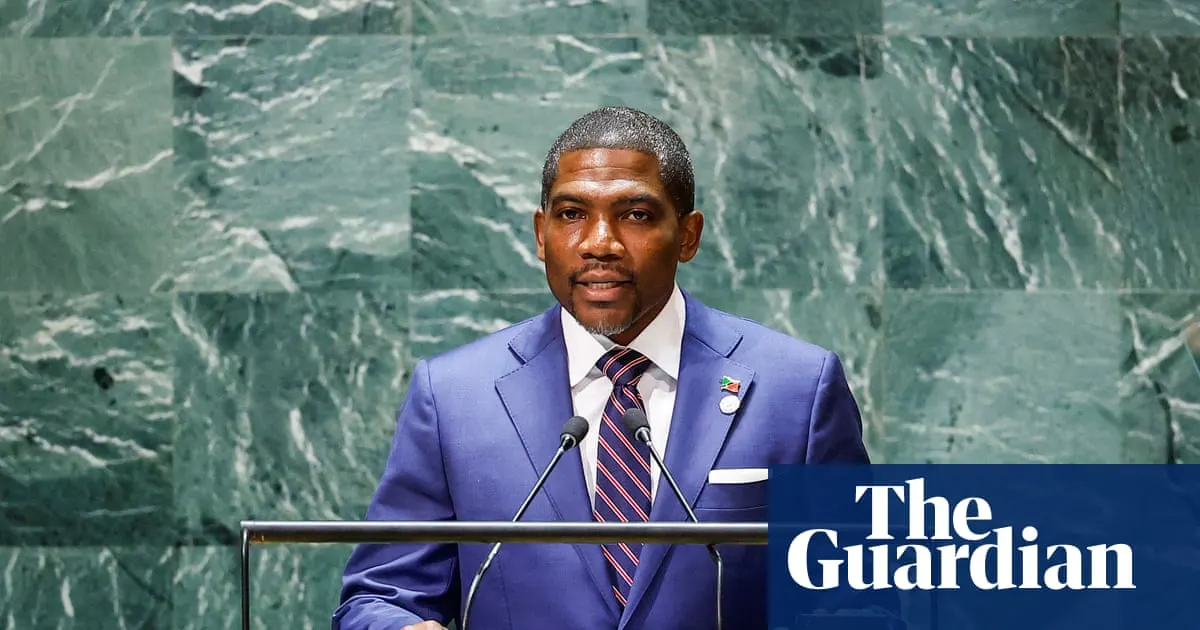
St Kitts and Nevis plans to wind down its citizenship-by-investment programme after the EU threatened to withdraw visa-free access to the Schengen area. Nevis premier Mark Brantley says the decision risks significant economic harm, as the programme has funded public services and helped support people in need.
The 42-year-old scheme has brought billions of dollars into the country and, in some years, generated the largest share of government revenue. The EU gave St Kitts and Nevis until 1 June 2028 to phase it out; Prime Minister Terrance Drew says relying heavily on one source of income creates risks and proposes expanding tourism, yachting, digital and creative industries, and geothermal energy. Other Caribbean countries have taken different positions, with Antigua and Barbuda seeking a longer transition and Grenada reportedly aiming to continue its scheme until 2032.
In short
- St Kitts and Nevis will wind down its citizenship investment programme.
- The EU linked the move to keeping visa-free Schengen access.
- Nevis’s premier warns the change could hurt public services and the economy.
Steelman: both sides, in good faith
The strongest fair case each way — we don't pick a winner.
The case for
Keeping the programme, or allowing a longer transition, could protect a major source of public revenue that has funded services and support for people in need. Caribbean governments may also argue that they should retain control over lawful economic policies, and that abrupt closure under threat of losing visa-free access could impose disproportionate costs on small states.
The case against
Phasing out the programme could reduce risks from dependence on a single, potentially volatile revenue source and encourage a broader economic base. The EU may argue that linking citizenship to investment raises concerns relevant to visa-free travel, and that a clear deadline is needed to protect confidence in the Schengen system while giving St Kitts and Nevis time to develop alternatives.
Explained simply
Citizenship-by-investment programmes let foreign applicants obtain citizenship in return for a qualifying payment or investment. St Kitts and Nevis has operated one for 42 years, bringing in billions of dollars and, in some years, providing the largest share of government revenue.
The European Union has linked the programme to visa-free travel to the Schengen area, where many European countries have removed routine border checks between them. St Kitts and Nevis’s government says it plans to phase out the scheme by a deadline set by the EU, while Nevis premier Mark Brantley says the lost income could affect public services and support for people in need.
Caribbean governments are weighing different approaches because the programmes can bring in substantial revenue but leave countries reliant on a single source of income. St Kitts and Nevis has proposed developing tourism, yachting, digital and creative industries, and geothermal energy; Antigua and Barbuda and Grenada have sought different timelines.