Carney calls trade talks with US ‘nasty’
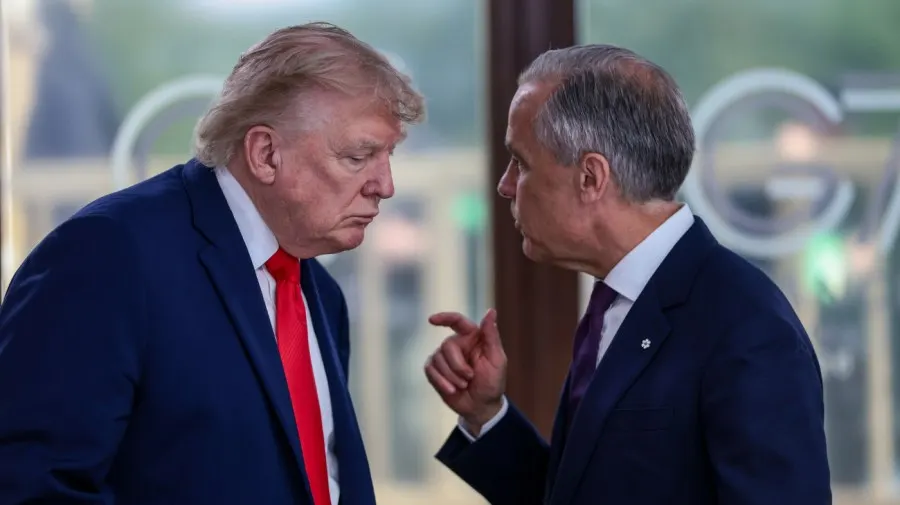
Canadian Prime Minister Mark Carney said trade negotiations with the United States had become “nasty” after President Donald Trump criticised Canada and its leadership while threatening wider tariffs. Carney said Canada would remain involved in the talks, framing them as necessary to protect Canadian jobs and businesses amid an escalating tariff dispute.
Trump called Canada’s leadership “nasty” in a Las Vegas speech, while Canadian negotiators were in Washington and Carney expected further discussions with him. The US already applies tariffs to Canadian steel, aluminium and cars, and Trump has threatened 50% tariffs on more Canadian goods from 19 August; Carney said US aluminium prices had risen 58% under existing tariffs.
- Carney says US-Canada trade negotiations have become increasingly hostile.
- Trump threatens further 50% tariffs on Canadian goods.
- Canada remains engaged despite mounting trade tensions.
New here? Start with this
Canada and the United States are major trading partners, with businesses and workers on both sides relying on goods crossing their shared border. Trade talks are discussions between the two governments about the rules, taxes and restrictions that affect this trade.
Mark Carney is Canada’s prime minister, and Donald Trump is the US president. Their governments are negotiating amid US tariffs on some Canadian products; tariffs are taxes on imported goods, which can raise costs for businesses and consumers.
The dispute matters because wider tariffs could affect Canadian industries, jobs and prices, as well as companies and consumers in the United States. The talks are aimed at addressing trade between the two countries.
Both sides, in good faith
The strongest fair case each way — we don't pick a winner.
The case for
Trade relationships function best through genuine negotiation based on mutual respect, but the US approach of threatening additional tariffs whilst engaging in talks creates an inherently contradictory and corrosive dynamic. Canada is a close neighbour and ally deserving of diplomatic respect rather than inflammatory rhetoric, and using blunt economic coercion undermines the trust necessary for lasting solutions. The existing tariffs have already caused measurable economic harm—aluminium prices have risen 58%—demonstrating that these policies damage both economies whilst solving nothing.
The case against
The US has legitimate economic interests in addressing what it views as unfair trade arrangements that disadvantage American workers and businesses, and years of conventional diplomacy have failed to achieve meaningful change. Using strong negotiating leverage, including tariff threats, is a legitimate tool when softer approaches have proven ineffective. Canada should engage constructively on the substantive trade issues rather than characterising negotiations as 'nasty'—meaningful progress often requires willingness from both sides to make concessions under pressure.