Carrying a Bible in Northern Ireland hospitals could be a crime under abortion buffer zone laws
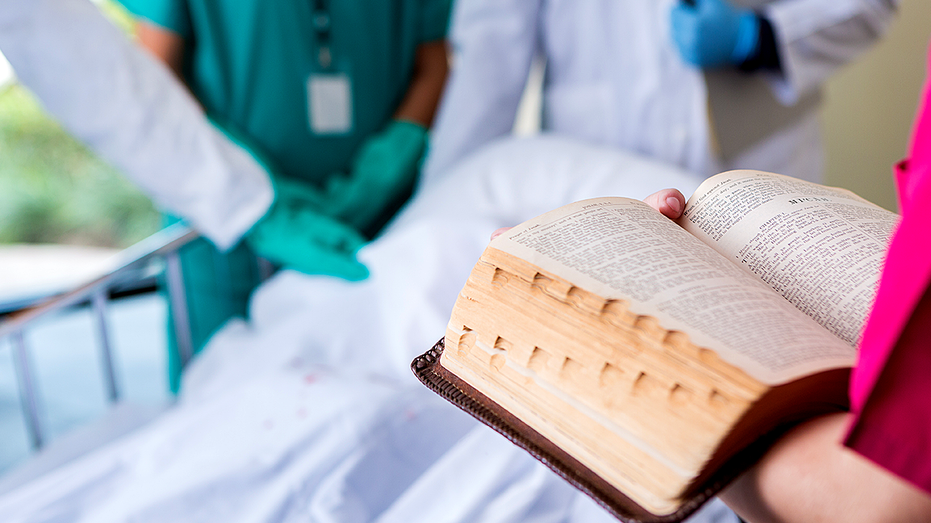
Northern Ireland's abortion buffer zone legislation has raised concerns among religious organisations that its scope could unintentionally criminalise ordinary religious practices within healthcare settings. Medical chaplains and visitors could potentially face legal consequences for activities like carrying religious texts or offering prayers at patients' bedsides if these actions are interpreted as violating the buffer zone restrictions.
Religious freedom advocates argue the laws create legal uncertainty around pastoral care and religious expression in public spaces. The dispute reflects broader tensions between protecting access to abortion services and preserving rights to religious practice, with faith groups concerned that the legislation's language is too broad and fails to distinguish between legitimate religious activity and targeted harassment.
- Northern Ireland's abortion buffer zone laws may inadvertently restrict religious expression in hospitals, including carrying Bibles or praying with patients
- Religious freedom advocates warn the legislation creates ambiguity that could criminalise traditional pastoral care activities
- The story highlights tensions between abortion access protections and religious liberty rights
Both sides, in good faith
The strongest fair case each way — we don't pick a winner.
The case for
Supporters of the buffer zone guidance argue that women attending clinics for abortion care are entitled to do so without being approached, watched or visibly prayed over by strangers at a private and often distressing moment. They see such zones as a proportionate, narrowly targeted measure protecting patient dignity and safe access to lawful healthcare, comparable to exclusion zones used around other sensitive medical settings, and stress that the guidance is aimed at conduct capable of intimidating or shaming patients rather than at private belief itself.
The case against
Critics, including religious freedom advocates, argue that treating the mere carrying of a Bible or silent prayer as potentially criminal risks punishing thought and peaceful belief rather than any harassing act, since no words need be spoken or approach made for someone to fall under suspicion. They warn this represents an alarming expansion of state power into personal religious conduct in public spaces, creates unpredictable and subjective policing standards, and could chill lawful worship by chaplains, visitors or passers-by who have no intention of protesting or influencing anyone.