World news and discussion on TalkFuse.
Carville challenges progressives to test their ideas in 2028 primary
Developed over time first seen 1 day ago
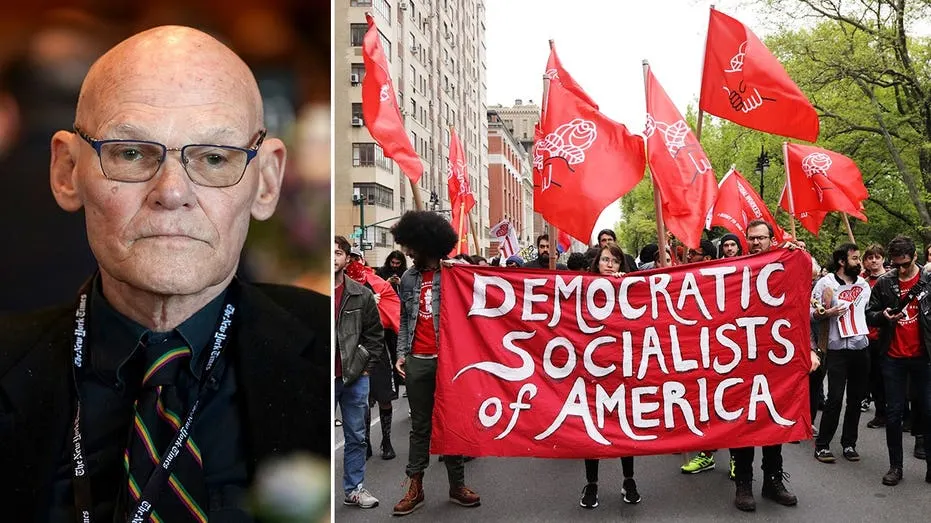
Veteran Democratic strategist James Carville has urged progressives to field a candidate in the party’s 2028 presidential primary, arguing that voters should decide how much support their ideas have. He said Democrats had united to defeat Donald Trump but now needed an internal contest over the party’s direction.
Carville proposed a candidate backing policies such as Medicare for All and questioning capitalism, and said progressive candidates should state whether they would support the eventual nominee. Democratic strategist Julian Epstein disagreed, arguing that party activists could pull Democrats further left, while the party’s low public approval and perceived distance from voters were more fundamental problems.
- Sources
- 2
- Outlets
- 2
- Left · Centre · Right
- 0 · 0 · 2
In short
- Carville wants progressives to test their ideas in the 2028 primary.
- He says Democratic primary voters should decide the party’s direction.
- Julian Epstein argues Democrats need to reconnect with the average voter.
How this story developed
- 20 hours ago Epstein put figures on his criticism, saying 28% of voters approve of the Democratic Party and about seven in ten consider it out of touch.
- 1 day ago Carville expanded his examples of a possible progressive platform to include challenging capitalism, as Epstein warned a primary could push Democrats further from average voters.
- 1 day ago James Carville called on progressive Democrats to field a candidate in the 2028 presidential primary, while Julian Epstein argued the party’s low approval and perceived distance from voters were its bigger problems.
Full account
Veteran Democratic strategist James Carville has urged progressives who criticise the party’s mainstream to put forward a candidate in the 2028 presidential primary and let Democratic voters judge their support. Speaking on his Politics War Room podcast, he described a post-election period of party unity against Donald Trump as temporary, predicting an internal “civil war” over the party’s direction.
Carville proposed that progressives rally behind someone who would champion policies such as Medicare for all and a fundamental challenge to capitalism, rather than incremental reform. He argued that such a candidate would have a clear platform and could expect a sympathetic reception from the press. The primary, he said, would show whether progressive ideas could mobilise a large pool of voters.
He also called for candidates to be asked whether they would back the eventual Democratic nominee, and said those unwilling to do so should make that position clear. His appeal was framed as a test of the primary electorate’s preferences: voters, rather than party factions, should settle the argument.
Democratic strategist Julian Epstein disagreed, arguing that Carville’s proposal contains a tension between having party figures rally around a progressive candidate and leaving the choice to voters. Epstein also pointed to broader problems for Democrats, including poor perceptions of the party and a belief among many voters that it is out of touch. The supplied reports end at different points in his remarks, so they do not provide a complete account of his critique.
Where outlets differ
From the full account, which is AI-written from the sources:
The two supplied reports are substantially alike and appear to draw on the same underlying account. Source 1 includes promotional subheadings and headlines about a 2028 “reckoning” and Carville’s view that far-left candidates may be too hard-headed to recognise their unpopularity; Source 2 omits those elements. Both excerpts cut off during Epstein’s comments, but at different points: Source 1 ends mid-phrase after “toxic bra…”, while Source 2 includes his claims about the party’s approval and perceived distance from voters before cutting off during a reference to the presidential race.
Steelman: both sides, in good faith
The strongest fair case each way — we don't pick a winner.
The case for
A contested primary could give progressives a fair chance to test support for policies such as Medicare for All and let Democratic voters choose the party’s direction. A clear result might ease the internal dispute, while requiring candidates to say whether they would support the eventual nominee could help preserve party unity.
The case against
A primary centred on ideological divisions could draw attention to positions that are less popular with voters beyond the progressive base and make it harder for Democrats to broaden their appeal. From this view, the party should prioritise a candidate who can attract a wider electorate, rather than risk a contest that deepens divisions or shifts the debate away from that goal.
Explained simply
The Democratic Party is a major US political party, and its presidential candidates are chosen through state-by-state primaries and caucuses, where voters help decide who will represent the party in the general election. The party includes progressives, who favour more extensive changes to areas such as healthcare, and moderates, who tend to support a more incremental approach.
James Carville is a Democratic strategist known for advising campaigns; Julian Epstein is another Democratic strategist. Their disagreement reflects a wider debate within the party over whether it needs a distinctively progressive candidate or a broader appeal to voters who do not identify with that wing.
That debate matters because the party’s nominee must win support across a large and varied electorate, not just among Democratic primary voters. How Democrats address divisions within the party and perceptions that it is out of touch may shape their chances in future national elections.
Coverage · 2 sources
Bias meters
From 2 rated sources.
Read the full article at the source →
Originally published by Fox News as “Carville dares far-left to ‘run somebody’ against mainstream Dems in primary and end their ‘civil war’”.