‘Case 137’ movie review: A riveting chronicle of police accountability
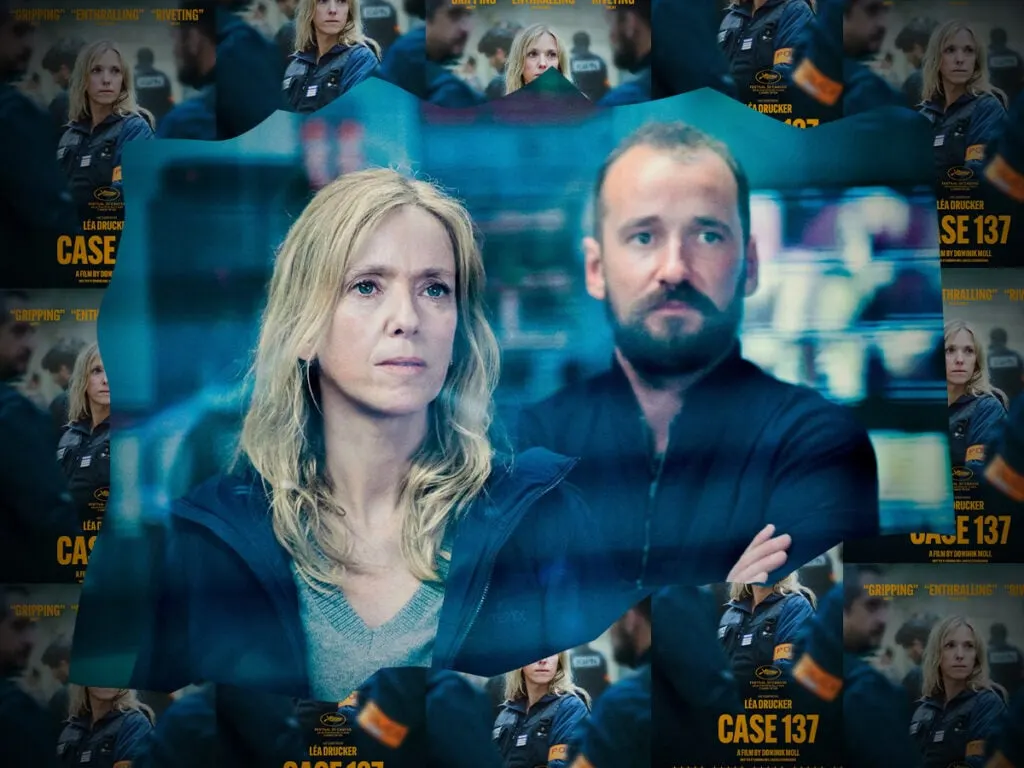
Dominik Moll’s *Case 137* follows an internal affairs investigator examining whether police used excessive force during a Yellow Vest protest in Paris. Through her inquiry, the fictional film explores public trust, social divisions and how far police authority should extend.
Investigator Stéphanie Bertrand seeks to identify the officer who shot Guillaume Girard in the head with a riot gun. Her work is hampered by officers’ reluctance to testify against colleagues and civilian witnesses’ fears of reprisals; she and her small team piece together evidence from phone footage and interviews. Moll researched the French police oversight unit, the IGPN, whose methods he describes as difficult to access and opaque.
In short
- An IGPN investigator probes a shooting at a Paris protest.
- Police silence and witness fears slow the inquiry.
- The film examines accountability and public trust.
Steelman: both sides, in good faith
The strongest fair case each way — we don't pick a winner.
The case for
The film’s focus on tracing evidence and establishing individual responsibility reflects the principle that police use of force must be open to scrutiny, especially when it causes serious injury. Independent investigators and witness accounts can help sustain public trust and ensure that authority is exercised within clear limits.
The case against
Police officers may face dangerous, fast-moving situations in which force decisions are difficult to judge from incomplete footage or after the event. A fair accountability process should protect officers from premature blame, consider the operational context and allow colleagues and witnesses to give evidence without intimidation or pressure.
Explained simply
The Yellow Vest movement began in France in 2018, with protests over fuel costs and living expenses growing into wider demonstrations about inequality and political representation. Some gatherings in Paris led to clashes between protesters and police, and injuries caused by crowd-control weapons became a focus of public debate.
France’s IGPN investigates allegations of wrongdoing by police officers. Its work sits within a wider question faced by many countries: how to hold police to account while allowing them to manage public safety. Witnesses may be reluctant to come forward, and officers may be hesitant to testify against colleagues, making evidence gathering difficult.