Politics news and discussion on TalkFuse.
Case fends off challenge from his left in Hawaii Democratic House primary
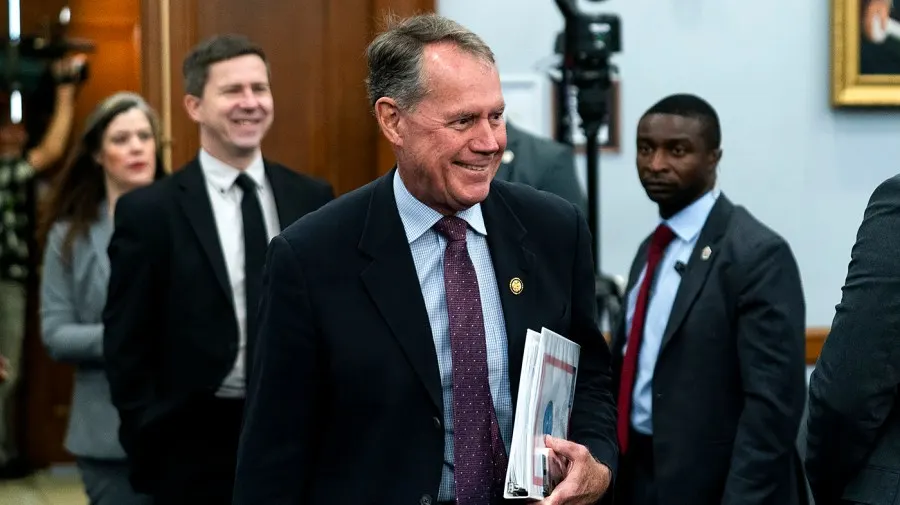
Rep. Ed Case secured victory in Hawaii's Democratic House primary, defeating state senator Jarrett Keohokalole in a matchup between competing ideological wings of the party. The race pitted the 73-year-old incumbent, known as one of the more fiscally conservative voices among House Democrats, against his 42-year-old challenger who sought to mobilise voters around calls for fresh leadership and progressive policy priorities.
Keohokalole's campaign centred on generational contrast and presented a substantive alternative to Case's long-standing approach to representation. The primary outcome reflected voter preference for the incumbent despite the challenger's appeal to party members seeking a leftward direction, suggesting the district's Democratic electorate either favoured Case's moderate positioning or prioritised his experience.
In short
- Hawaii Democratic primary: Rep. Ed Case, 73, won re-nomination despite challenge from younger progressive state senator Jarrett Keohokalole
- Case positioned among Congress's more conservative Democrats; Keohokalole campaigned on generational change and policy divergence
Steelman: both sides, in good faith
The strongest fair case each way — we don't pick a winner.
The case for
The Democratic electorate made a deliberate choice for proven experience and fiscal responsibility. Case's long legislative record and pragmatic approach to representation offer stability and credibility that serve constituents' material interests. Moderates contend that winning general elections requires appealing beyond the party base, and that establishing oneself as a responsible steward of public finances—rather than pursuing ideological purity—strengthens Democrats' ability to govern and deliver tangible results for Hawaii.
The case against
The Democratic Party risks stagnation by preferring longstanding incumbents over generational renewal and bold policy direction. Progressives argue that meaningful change on climate, economic inequality, and healthcare requires fresh voices willing to champion transformative policies, not incremental approaches tied to fiscal conservatism. Keohokalole's campaign represented the party's future-oriented base, and his loss suggests the establishment privileged institutional continuity over the energised activism and moral clarity needed to address the defining challenges facing younger generations.
Explained simply
Hawaii sends two voting representatives to the US House, the part of Congress that makes federal laws and approves government spending. Ed Case represents the state’s 1st District, which includes Honolulu; Democratic voters there choose their party’s candidate in a primary before the general election.
Case has served in the House for many years and is known as relatively fiscally conservative within his party. Jarrett Keohokalole is a state senator who argued for newer leadership and more progressive policies, setting up a contest over both experience and the direction of the district’s Democratic representation.
The result matters because the winner of a party primary usually becomes its candidate in the general election. The contest also offers a measure of which priorities Democratic voters in the district want their representative to pursue.