Affleck’s gothic Company receives rapturous reception at Venice premiere
Developed over time first seen 2 months ago
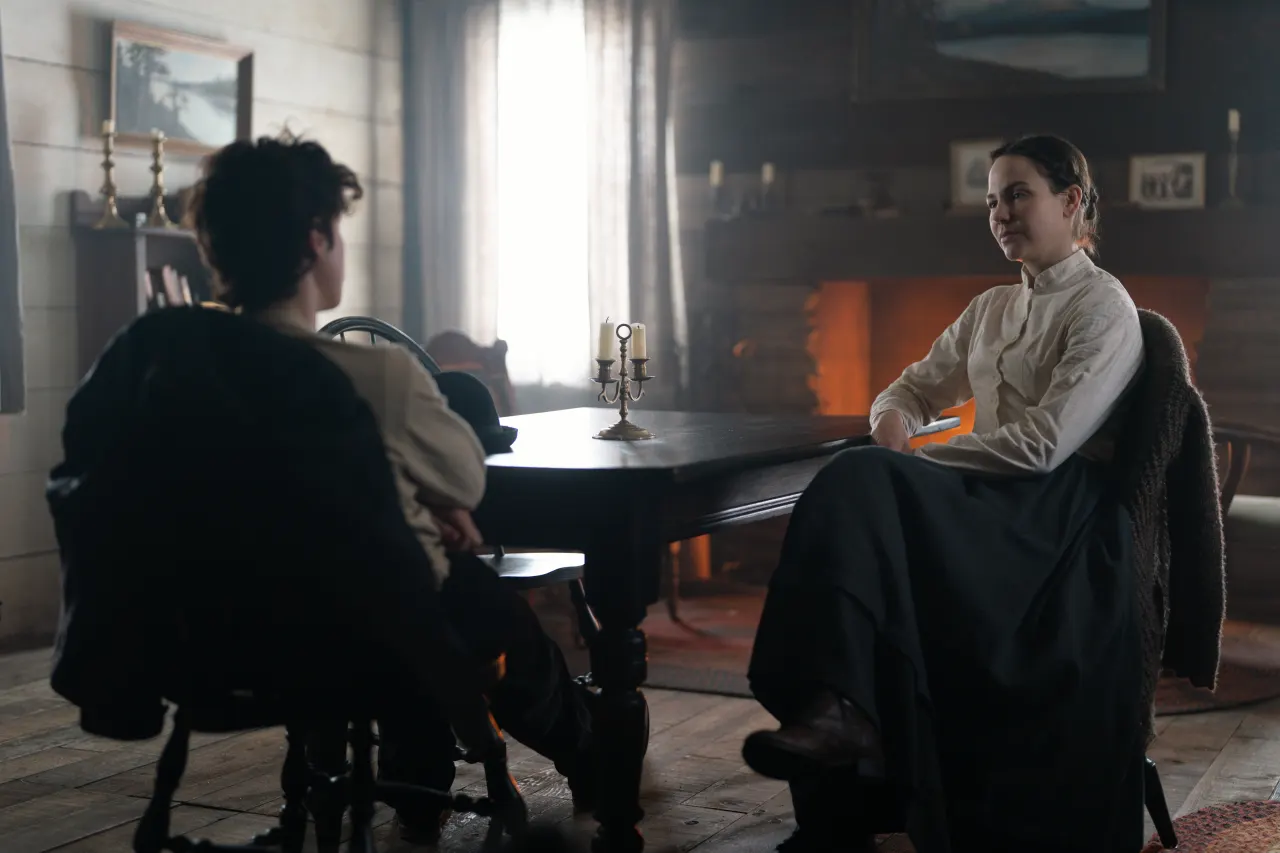
Casey Affleck's gothic thriller "Company" received a four-minute standing ovation at its Venice Film Festival premiere on Tuesday night, marking a triumphant showing for a director whose career had largely stalled following past misconduct allegations. Affleck wrote and directed the film, which was produced by his brother Ben Affleck's company Artist Equity and is now seeking distribution, while cast members including his son Indiana Affleck cheered from the audience alongside a visibly moved Nick Nolte.
Set in 1975, the story follows a woman named Evelyn who arrives uninvited at a holiday gathering to recount the tale of Tom, a hermit who rescued a stranded actress during a Colorado blizzard two decades earlier, with a cast that includes Nolte, Ben Mendelsohn, Scoot McNairy and Adelaide Clemens, and which gives Affleck's son Atticus his screen debut. Affleck, an Oscar winner for "Manchester by the Sea," was previously accused by two women who worked on his 2010 film "I'm Still Here" of sexual harassment and fostering a toxic environment; he denied the claims and the resulting civil suits were settled out of court, after which his career slowed considerably despite later roles in Christopher Nolan's "Oppenheimer."
- Sources
- 2
- Outlets
- 2
- Left · Centre · Right
- 0 · 0 · 0
In short
- Casey Affleck's "Company" gets rapturous Venice premiere reception
- Gothic drama produced by brother Ben Affleck's Artist Equity, seeking distribution
- Marks a comeback moment after past misconduct allegations against Affleck
How this story developed
- 2 months ago Fuller festival coverage revised the ovation's length to four to four-and-a-half minutes and named Ron Hansen as Affleck's co-writer, while updating the cast list to include Indiana Affleck and an actress named Emily rather than the previously reported ensemble, and described an emotional Affleck and Nolte along with Ben Affleck leaving Sala Grande before the applause had fully died down.
- 2 months ago Casey Affleck's gothic thriller "Company" earned a four-minute standing ovation at its Venice Film Festival premiere, with early reports outlining its 1975-set plot about hermit Tom and visitor Evelyn, a cast led by Nick Nolte, Ben Mendelsohn, Scoot McNairy and Adelaide Clemens, the screen debut of Affleck's son Atticus, backing from Ben Affleck's Artist Equity, and a reminder of the sexual harassment allegations that once dogged the director.
Full account
Casey Affleck's third film as director, the gothic thriller Company, received a lengthy standing ovation at its world premiere at the Venice Film Festival on Tuesday evening. Reports of the applause vary slightly, with one outlet clocking it at around four minutes and another putting it closer to four and a half, but both agree the response inside the festival's main auditorium was warm and sustained. Nick Nolte, the film's veteran star, drew a particularly enthusiastic cheer when introduced before the screening, while Affleck's elder brother Ben, who backed the project as a producer, was seated with the cast and applauded heartily throughout.
Company unfolds on a winter's night in 1975, when an uninvited woman named Evelyn arrives at a holiday gathering and begins recounting the tale of Tom, an ageing recluse who years earlier rescued an actress stranded in a Colorado blizzard. That actress, in turn, tells a still older story of a farming couple who shelter a troubled young drifter amid a wave of brutal killings unsettling the frontier. The interlocking narratives are said to build towards what the film's own synopsis describes as a meditation on grief, vengeance, forgiveness and small acts of compassion capable of healing even the deepest wounds. Speaking at the accompanying press conference, Affleck resisted framing the film in overtly political terms, while acknowledging that unrest in the wider world, alongside more personal preoccupations, had shaped its creation.
The ensemble features Nolte alongside Ben Mendelsohn, Adelaide Clemens, Scoot McNairy, Emily Alyn Lind and Caylee Cowan, with Affleck's own sons, Atticus and Indiana, also appearing in the cast. For Atticus this marks a first screen role, while it is Indiana's second feature. The premiere brought Affleck back to Venice, where he last appeared as an actor in Dreamin' Wild in 2022; his sole previous outing behind the camera was the 2019 drama Light of My Life, which debuted at the Berlin Film Festival. He remains best known for his Academy Award-winning performance in Manchester by the Sea and his earlier Oscar nomination for The Assassination of Jesse James by the Coward Robert Ford.
Company was produced under the banner of Ben Affleck's Artist Equity, though one account lists a considerably wider roster of producers and financiers behind the project, including figures tied to Spooky Features, Image Nation Studios and 3:33 Creative Productions, among others. The film has yet to secure a distributor. Coverage of the premiere diverged in tone: one report dwelt on the standing ovation and the film's craft and thematic ambitions without revisiting Affleck's past, while another placed the premiere in the context of misconduct allegations made by two women who worked on his 2010 mockumentary I'm Still Here, claims Affleck has denied and which were resolved through out-of-court settlements, along with the subsequent lull in his career that followed.
Where outlets differ
From the full account, which is AI-written from the sources:
The two accounts give slightly different ovation lengths — roughly four minutes versus four and a half minutes.
One report notes that Affleck and the cast exited before the applause had fully subsided, and criticises the ritual of standing ovations more broadly; the other instead emphasises that Affleck and Nolte appeared visibly moved, with no mention of an early departure.
One source credits the screenplay jointly to Affleck and novelist Ron Hansen; the other attributes writing duties to Affleck alone.
One account includes an additional embedded story-within-a-story involving a farming couple and a drifter amid a series of murders; the other omits this layer of the plot entirely.
Only one report addresses Affleck's past controversy — the sexual harassment allegations linked to I'm Still Here, his denial, the settlements, and the career slowdown that followed — while the other makes no reference to this history at all.
Only one account quotes Affleck's press-conference remarks distancing the film from explicit politics while acknowledging real-world influences.
One report highlights that the film marks Atticus Affleck's screen debut and Indiana Affleck's second feature; the other does not draw attention to this family milestone.
One source lists an extensive roster of producers and executive producers tied to several production companies; the other simply attributes production to Ben Affleck's Artist Equity and notes the film is still seeking distribution.
Steelman: both sides, in good faith
The strongest fair case each way — we don't pick a winner.
The case for
Those welcoming the film's reception argue that artistic work should ultimately be judged on its own merits, and that a four-minute standing ovation reflects the craft and performances on screen rather than any verdict on the director's personal history. They note that the harassment allegations were settled out of court rather than adjudicated, that Affleck has consistently denied wrongdoing, and that seasoned actors, producers and festival programmers who chose to work with him presumably made informed judgements. On this view, denying a filmmaker future opportunities on the basis of unproven claims risks an unfair and permanent professional exile.
The case against
Others feel discomfort at the warmth of the welcome, arguing that allegations of sexual harassment and a toxic set should not simply fade from view because a settlement, rather than a trial, resolved the legal dispute. They point out that settlements often reflect practical considerations rather than an admission of innocence, and that lavish industry praise can send a troubling signal to those who raised concerns, as well as to future crew members who might fear similar treatment. From this perspective, continued scrutiny of a director's conduct is a reasonable and proportionate response, even as his work receives acclaim.
Explained simply
Casey Affleck, brother of Ben Affleck and himself an Oscar-winning actor and director, has made a gothic thriller called "Company," set in the 1970s and built around a story-within-a-story involving a hermit, a stranded actress and a mysterious woman who turns up uninvited at a gathering. Affleck wrote and directed the film, which also features his son Atticus in his first screen role, alongside established actors such as Nick Nolte and Ben Mendelsohn.
The film is being produced through Artist Equity, the production company run by Ben Affleck, and does not yet have a distributor lined up to bring it to cinemas or streaming. Its debut took place at the Venice Film Festival, one of the most prestigious events in the film industry calendar, where new works are often shown for the first time to critics and potential buyers.
Casey Affleck's career has drawn scrutiny in the past over sexual harassment allegations made by two women who worked with him on his 2010 film "I'm Still Here," claims he has denied and which were resolved through an out-of-court settlement. That history is relevant context for readers following how "Company" and its reception fit into the broader arc of his career.
Coverage · 2 sources
Asia Business Celebrity Companies Entertainment Film World