Critics say Norfolk Broads housing levy cannot cover ecological damage
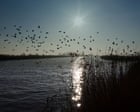
The UK government has approved its first Environmental Delivery Plan allowing almost 16,000 homes to be built in the Norfolk Broads, a heavily protected wetland area home to England's rarest wildlife. Developers will pay a levy of £2,675 per house (£42 million total) into a nature restoration fund to compensate for environmental damage, with the government framing this as a "win-win" for housing and nature conservation. However, environmental lawyers, ecologists and professionals argue the levy is substantially too low and inadequate to address the damage caused by the development.
A previous draft of the plan set the levy between £5,400 and £60,500 per house to properly account for increased nutrient pollution, but this was significantly reduced in the published version. Analysis reveals the development will add 7,695 kilograms of nitrogen per year to protected waterways (83% of the development's pollution load) and up to 435 kilograms of phosphorus annually. Critics highlight that none of the conservation actions funded by the levy actually address reducing nutrient pollution, and raise concerns about Natural England—the agency designing mitigation measures—being funded by the same developer levy, creating a potential conflict of interest. This EDP serves as a blueprint for similar schemes at other UK protected sites.
- Norfolk Broads EDP allows 15,780 homes; levy cut to £2,675 per house from proposed £5,400-£60,500
- Development will increase nitrogen pollution by 7,695kg yearly; conservation actions don't reduce it
- Critics warn scheme prioritises housing over environmental protection at protected natural site
Business Environment Science Software Technology
Read the full article at the source →
Originally published by The Guardian as “‘Cash to trash’ levy on house developers too low to offset damage to Norfolk Broads, say critics”.