Politics news and discussion on TalkFuse.
Cass report author says she does not support draft conversion practices bill
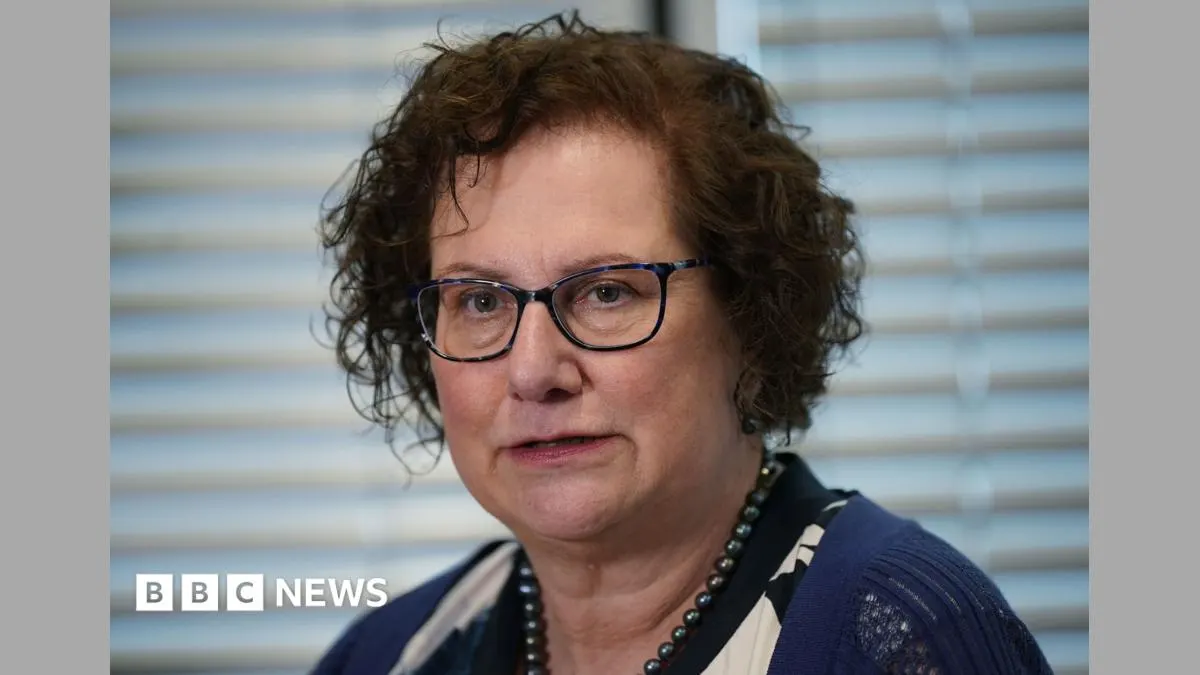
Baroness Cass, who led the independent review of gender identity services for young people, told MPs she does not support the current draft bill banning conversion practices. She said its wording could have serious unintended consequences for families and professionals, and that the law should protect LGBT people without drawing others into prosecution unintentionally.
The bill, intended to cover England and Wales, defines a relevant threshold as serious harm to a person’s health or serious alarm or distress that substantially affects daily life. Cass is concerned this could expose therapists to vexatious complaints and potentially put some family decisions within the bill’s scope. She said she had backed the principle of a ban but had not read the draft in detail before her earlier supportive quote was published; the government said it would consider the committee’s evidence.
In short
- Cass opposes the draft bill’s current wording.
- She warns it could affect therapists and families.
- The government says it will consider scrutiny evidence.
Steelman: both sides, in good faith
The strongest fair case each way — we don't pick a winner.
The case for
Supporters of the bill argue that conversion practices can cause serious harm and that LGBT people need clear legal protection from coercive attempts to change their identity or orientation. A threshold based on substantial harm could help focus the law on damaging conduct while giving people a route to seek redress.
The case against
Critics argue that the draft’s wording may be too broad or uncertain, risking prosecution or vexatious complaints against therapists and families acting in good faith. They say a ban should protect LGBT people from coercion while clearly safeguarding ordinary clinical care and family decisions from unintended legal consequences.
Explained simply
Conversion practices are attempts to change or suppress someone’s sexual orientation or gender identity. The proposed bill would ban these practices in England and Wales, while setting a threshold for when conduct counts as causing serious harm or distress.
Baroness Cass led an independent review of NHS gender identity services for young people. Her review examined how those services should support children and young people; the draft bill raises a separate question about how the law should protect LGBT people while defining which actions could lead to prosecution.
The debate matters to therapists, families and LGBT people because the bill’s wording would shape how the ban works in practice. MPs are considering concerns that its reach could be unclear, alongside the aim of preventing harmful practices.