Cat in the Hat is not real, police say – after ‘creepy AI-generated’ videos go viral on TikTok
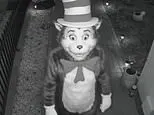
Police forces in the UK and Ireland have had to publicly debunk claims that a "killer" Cat in the Hat figure was stalking Britain's streets, after AI-generated videos of the Dr Seuss character went viral on TikTok. The clips, some framed as Ring doorbell footage or accompanied by threatening captions naming specific towns, caused genuine fear among young viewers, echoing the "killer clown" panic of 2016, before officers confirmed the footage was fabricated using AI tools.
The craze took hold most strongly in the Irish counties of Limerick and Wexford, where local Gardaí dismissed the sightings as AI fakes, and one viral clip amassed 15 million views within three weeks. It later spread to England, where South Yorkshire Police were forced to deny a fake Facebook post attributed to a bogus "Yorkshire Police" account claiming sightings near Meadowhall. Genuine police statements urged the public to verify official accounts and not believe everything shared on social media, confirming no real reports of the character, or his "associates" Thing One and Thing Two, had been received.
- Viral AI videos falsely showed a "killer" Cat in the Hat on UK/Irish streets
- Police in Ireland and England confirmed the footage was AI-generated fakes
- One clip hit 15 million views; a fake police post added to the panic
New here? Start with this
Cat in the Hat is the tall, striped-hat-wearing feline from Dr Seuss's classic children's books, first published in 1957 and long a familiar, harmless figure in family entertainment. Recently, short videos using artificial intelligence to generate realistic-looking footage of the character have spread widely on TikTok, some styled to look like home security camera clips and carrying menacing captions. This kind of AI-made content, often called a "deepfake" when it mimics real footage, can look convincing enough that viewers mistake it for genuine, unedited video.
The panic has echoes of the "killer clown" scare of 2016, when reports of sinister figures in clown costumes spread rapidly online and led to public alarm before turning out to be largely hoaxes and pranks. Police forces are the other key players in this story: officers in Ireland and England have had to step in publicly to reassure residents, confirming no real sightings had been reported and warning people to check that any "official" social media accounts are genuine before believing them.
The story matters because it highlights how easily AI-generated videos can trigger real fear, particularly among children and young people, even when the content is entirely fabricated. It also raises broader questions about how quickly misleading AI content can spread on social media, and the growing burden this places on police to correct false alarms rather than respond to genuine incidents.