Entertainment news and discussion on TalkFuse.
Cat Stevens’ biggest song has nearly 1,000,000,000 streams. But in 2020, he cut one troubled lyric from the new version
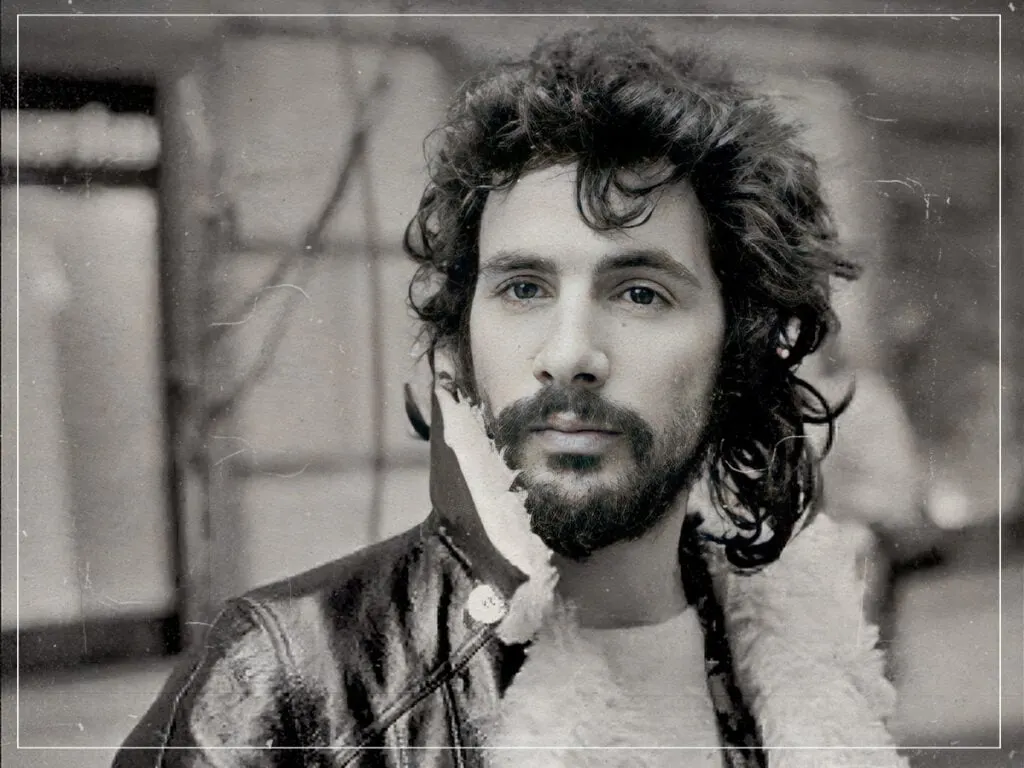
Cat Stevens’ ‘Wild World’ has nearly one billion streams and helped establish him as an international star after its release on 1970’s *Tea for the Tillerman*. In 2020, while re-recording the album as *Tea for the Tillerman 2*, he changed lyrics that could now sound possessive or dated.
The new version removes references to “girl”, replacing them with terms such as “baby” and “child”, and omits a line warning the departing person about “bad” people. The song reached number 11 in the US charts and Stevens later denied it was about his breakup with actor Patti D’Arbanville.
In short
- ‘Wild World’ has nearly one billion streams.
- Stevens revised its lyrics for a 2020 re-recording.
- The original reached number 11 in the US.
Steelman: both sides, in good faith
The strongest fair case each way — we don't pick a winner.
The case for
Updating the lyrics can make the song feel less possessive and more considerate to modern listeners, especially by removing a warning that may sound controlling when sung to someone leaving. Re-recording also gives Stevens room to reflect on how language lands today while preserving the song’s place in his work.
The case against
The original wording belongs to the song’s 1970 context and may convey a narrator’s vulnerability or concern rather than an endorsement of control. Altering familiar lyrics can also soften the work’s historical character, and listeners may value hearing the song as it was written even when some phrases now sound dated.
Explained simply
Cat Stevens, who later performed as Yusuf Islam, became an international star in the early 1970s. His album Tea for the Tillerman, released in 1970, included “Wild World”, a song about someone leaving a relationship and facing life beyond it.
The song was a major hit, reaching number 11 in the US charts. Stevens later said it was not about his breakup with actor Patti D’Arbanville. Its lyrics have since drawn attention for language that some listeners may hear as possessive or dated.