World news and discussion on TalkFuse.
CBS News anchor tells viewers Democrats dropped Platner because he was looking ‘like a loser’
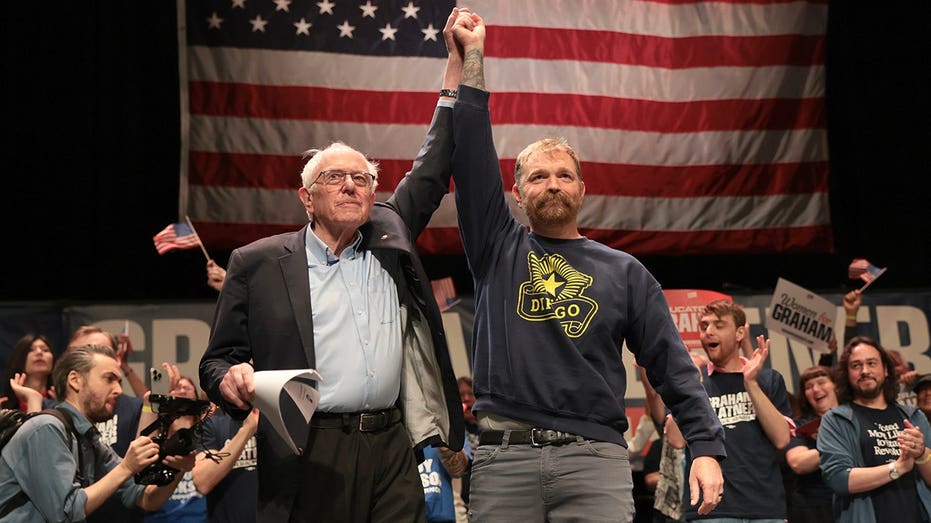
CBS Evening News anchor Tony Dokoupil delivered a pointed on-air report on Thursday examining why the Democratic Party had backed Maine Senate candidate Graham Platner for so long before abruptly dropping him. Platner suspended his campaign after a rape allegation from a former girlfriend, and Maine Democrats are now seeking to replace him on the ballot. The segment matters because it saw a mainstream network anchor openly questioning the party's judgement, suggesting its support hinged on Platner's electoral prospects rather than its stated values.
In his report, Dokoupil noted that Democrats continued to endorse Platner despite a series of scandals, including old Reddit comments about Black people not tipping, a chest tattoo with a Nazi history, and accusations of abuse against women, all of which Platner downplayed or denied. He argued the enduring support stemmed from the fact that Platner was winning, having beaten the sitting governor in the Democratic primary and appearing to offer the party's best chance of unseating Republican Senator Susan Collins. Dokoupil cited progressive strategist Daniel Moraff, an early backer, who told the Wall Street Journal the movement wanted outsider candidates rather than lifelong political climbers.
In short
- CBS anchor questioned why Democrats backed Platner despite repeated scandals.
- Platner suspended his Senate campaign over a rape allegation.
- Dokoupil suggested support lasted only while Platner was winning.
Steelman: both sides, in good faith
The strongest fair case each way — we don't pick a winner.
The case for
The Democratic Party's ongoing support could be defended on principled grounds. Platner won the primary, conferring legitimacy from Democratic voters that should not be lightly overridden, and the earlier scandals—old Reddit comments, a tattoo with disputed significance, and abuse allegations that were denied—lacked clear verification and could reasonably be questioned or contextualised. The rape allegation represented genuinely new, serious information warranting withdrawal. Supporting a viable primary winner against a strong incumbent Republican is a legitimate party function rather than mere cynicism about values.
The case against
However, critics can argue the party's actions revealed institutional cynicism: a pattern of serious concerns—racist comments, antisemitic imagery, and abuse accusations—existed well before the rape allegation, yet Democrats maintained support whilst Platner appeared electorally viable. Dokoupil's reporting suggests they abandoned him precisely because he had become a liability rather than because they suddenly recognised moral problems, indicating their stated commitment to combating racism and misogyny proved secondary to electoral calculation. The timing and selectivity of withdrawal raise legitimate questions about whether the party's values are genuinely principled or merely opportunistic.