CBS News takes heat over report on Dem hopeful Abdul El-Sayed’s now-deleted 9/11 posts
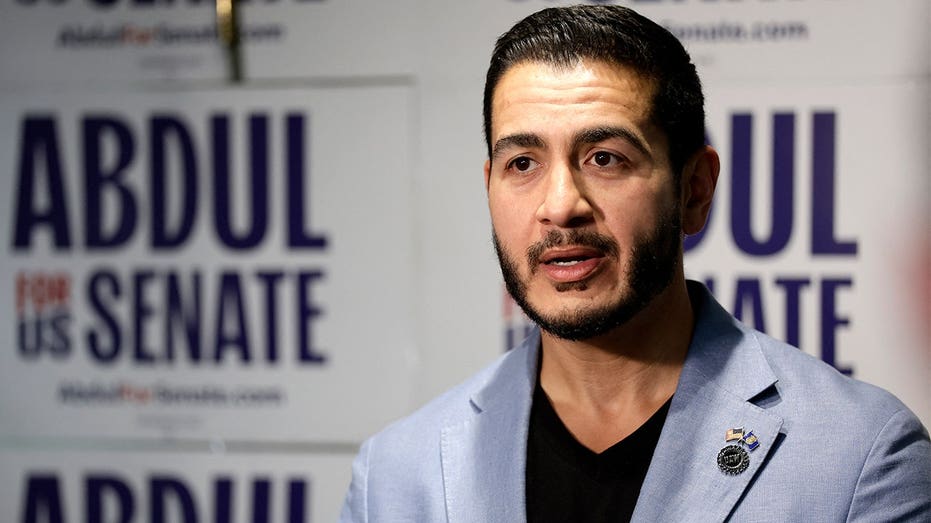
CBS News drew criticism, mainly from left-leaning commentators, after publishing a report ahead of the 25th anniversary of the 9/11 attacks that revisited now-deleted social media posts by Abdul El-Sayed, the Democratic nominee for the US Senate seat in Michigan. Critics accused the network of running an unfair or "Islamophobic" story targeting a candidate who would be the first Muslim Democratic senator, with some linking the coverage to new editorial leadership at CBS's parent company following its takeover by David Ellison. The episode highlights ongoing tension between CBS News and parts of the left since Bari Weiss's appointment as editor-in-chief.
The report cited a 2020 post in which El-Sayed compared 9/11 deaths to Covid-19 fatalities, and a September 2021 post, first surfaced by The Washington Free Beacon, in which he juxtaposed the roughly 3,000 Americans killed on 9/11 with an estimated one million lives lost in subsequent US wars in three countries. Prominent figures including Hasan Piker, Mehdi Hasan, Tim Miller, Rep. Yassamin Ansari and Astead Herndon publicly condemned the story as biased or racist. A CBS source told Fox News Digital such coverage of deleted political posts is routine, while El-Sayed, confronted on the campaign trail, called 9/11 "a terrible attack" but urged reflection on US military involvement abroad; CBS News did not respond to a request for comment.
- CBS News faced backlash over a report on El-Sayed's deleted 9/11 posts.
- Critics called the piece biased or Islamophobic ahead of the anniversary.
- El-Sayed defended his comments, calling 9/11 "a terrible attack."
New here? Start with this
Abdul El-Sayed is the Democratic Party's nominee for a US Senate seat in Michigan and would become the first Muslim Democratic senator if elected. CBS News, a major American broadcaster, published a report ahead of the 25th anniversary of the 9/11 attacks that resurfaced social media posts he had deleted, in which he had compared the death toll of the 2001 attacks with fatalities from Covid-19 and from subsequent US wars overseas.
The report has drawn criticism from left-leaning commentators and public figures, who argue the story unfairly singled out El-Sayed and question the motives behind its timing. Some of this criticism has been tied to recent changes in CBS News's ownership and editorial leadership, including the appointment of Bari Weiss as editor-in-chief following a takeover by David Ellison, which some see as part of a broader shift in the network's approach to political coverage.
The dispute matters because it touches on wider debates about media bias, how news organisations cover Muslim political candidates, and the editorial direction of a major US news network under new leadership, ahead of a closely watched Senate race.
Both sides, in good faith
The strongest fair case each way — we don't pick a winner.
The case for
Supporters of CBS's approach argue that scrutinising the public record of a candidate seeking a US Senate seat is core journalism, not persecution. El-Sayed's posts were real, publicly made statements comparing 9/11 deaths to other losses, and voters are entitled to know how a Senate hopeful frames a defining national tragedy, particularly around its anniversary. News organisations routinely resurface politicians' deleted social media posts across the political spectrum, and doing so here need not reflect any view of the candidate's faith, only ordinary vetting of his public statements on foreign policy and remembrance.
The case against
Critics contend the report's timing and framing invited an unfair reading, resurfacing old posts just before the 25th anniversary in a way that risked casting a serious foreign policy argument as callous or unpatriotic. Many note El-Sayed would be the first Muslim Democratic US senator, and worry that singling out his comparisons of American and foreign casualties, a critique voiced by others in mainstream debate, plays into longstanding patterns of heightened suspicion toward Muslim public figures. Coupled with recent changes in CBS's editorial leadership, they see the piece as evidence of a broader shift in how the network selects and frames stories about candidates on the left.